

Maintaining free ostomy bags is a crucial aspect of ensuring the well - being and comfort of ostomy patients. As a supplier of free ostomy bags, I understand the significance of providing not only high - quality products but also guidance on how to maintain them properly. In this blog, I will share some essential tips and best practices for maintaining free ostomy bags.
Understanding the Types of Ostomy Bags
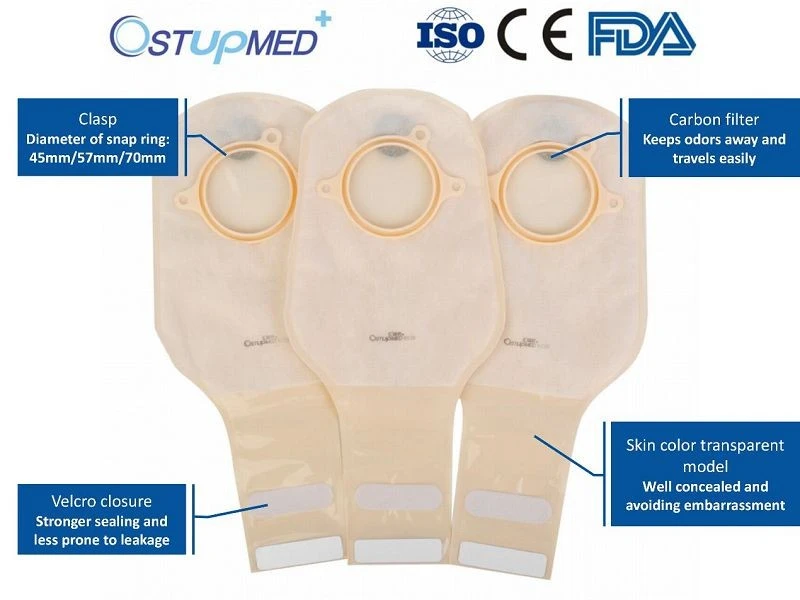
Before delving into maintenance, it's important to be familiar with the different types of ostomy bags available. There are various options, such as the Loop Colostomy Bag, which is designed for colostomy patients. It has specific features to accommodate the output from the colon. Another type is the Urine Drainage Bag, which is used for urostomy patients to collect urine. Disposable Urine Bags are also popular, offering convenience and hygiene. Each type of bag has its own characteristics and maintenance requirements.
Storage of Ostomy Bags
Proper storage is the first step in maintaining free ostomy bags. Ostomy bags should be stored in a cool, dry place away from direct sunlight. High temperatures and humidity can damage the materials of the bags, affecting their integrity and functionality. For example, excessive heat can cause the adhesive on the bag to lose its stickiness, leading to leakage. It's also important to keep the bags in their original packaging until they are ready to be used. This helps protect them from dust, dirt, and potential contaminants.
Handling and Installation
When handling ostomy bags, it's essential to maintain good hygiene. Wash your hands thoroughly with soap and water before touching the bag. This helps prevent the transfer of bacteria and other germs to the bag. During installation, follow the instructions carefully. Make sure the bag is properly aligned with the stoma and that the adhesive seal is secure. A loose or improperly installed bag can lead to leakage, skin irritation, and discomfort for the patient.
Emptying the Ostomy Bag
Regular emptying of the ostomy bag is crucial for its maintenance and the patient's comfort. The frequency of emptying depends on the type of ostomy and the amount of output. For colostomy bags, it's generally recommended to empty the bag when it is about one - third to half full. This helps prevent the bag from becoming too heavy, which can put stress on the adhesive and increase the risk of leakage. When emptying the bag, hold it over a toilet or a suitable container. Use a gentle squeezing motion to empty the contents. Avoid pulling or tugging on the bag, as this can damage the seams or the adhesive.
Cleaning the Ostomy Bag
Cleaning the ostomy bag is an important part of its maintenance. For reusable bags, it's necessary to clean them after each emptying. Start by rinsing the bag with warm water to remove any remaining waste. Then, use a mild soap or a specialized ostomy bag cleaner. Avoid using harsh chemicals or abrasive cleaners, as they can damage the bag. After cleaning, rinse the bag thoroughly to remove all traces of soap. Hang the bag to dry in a well - ventilated area. Make sure the bag is completely dry before reusing it.
Inspecting the Ostomy Bag
Regular inspection of the ostomy bag is essential to detect any signs of damage or wear. Check the bag for any holes, tears, or leaks. Inspect the adhesive seal to ensure it is still intact. Look for any signs of discoloration or changes in the texture of the bag. If any damage is detected, replace the bag immediately. Using a damaged bag can lead to serious complications, such as infection and skin problems.
Replacing the Ostomy Bag
Knowing when to replace the ostomy bag is crucial. For disposable bags, they should be replaced according to the manufacturer's instructions. This is usually every few days to a week, depending on the type of bag and the patient's usage. Reusable bags also need to be replaced periodically, even if they are well - maintained. Over time, the materials of the bag can wear out, and the adhesive may lose its effectiveness.
Educating the Patients
As a supplier of free ostomy bags, I believe in the importance of educating patients about proper maintenance. Providing detailed instructions and guidelines with each bag is a good start. Additionally, offering educational resources, such as brochures or online videos, can help patients understand the importance of maintenance and how to do it correctly. This not only improves the patient's quality of life but also reduces the likelihood of complications and the need for frequent bag replacements.
Quality Control in the Supply Chain
As a supplier, I am committed to ensuring the quality of the free ostomy bags I provide. This involves strict quality control measures at every stage of the supply chain. From the sourcing of raw materials to the manufacturing process and the final packaging, each step is carefully monitored. We work with reliable suppliers of materials to ensure that the bags are made from high - quality, safe, and durable materials. Our manufacturing facilities adhere to strict quality standards and regulations. This helps ensure that the ostomy bags we supply are of the highest quality and are suitable for long - term use.
The Role of Healthcare Providers
Healthcare providers also play a crucial role in the maintenance of ostomy bags. They can provide personalized advice and support to patients based on their specific needs and conditions. Nurses and ostomy care specialists can teach patients proper handling, emptying, and cleaning techniques. They can also monitor the patient's skin condition and the performance of the ostomy bag. Regular follow - up appointments with healthcare providers can help identify and address any issues early on.
Importance of Feedback
Feedback from patients and healthcare providers is invaluable for improving the maintenance of ostomy bags. We encourage patients to share their experiences and any problems they encounter with the bags. This feedback helps us identify areas for improvement in our products and our educational materials. We also work closely with healthcare providers to understand their perspectives and incorporate their suggestions into our quality control and product development processes.

Conclusion
Maintaining free ostomy bags is a multi - faceted process that involves proper storage, handling, emptying, cleaning, inspection, and replacement. By following these best practices, patients can ensure the longevity and functionality of their ostomy bags, leading to a better quality of life. As a supplier, I am dedicated to providing high - quality ostomy bags and the necessary support to help patients maintain them properly. If you are interested in our free ostomy bags or have any questions about their maintenance, please feel free to contact us for further discussion and potential procurement. We look forward to working with you to meet the needs of ostomy patients.
References
- Ostomy Association of America. (2023). Ostomy Care Guidelines.
- World Council of Enterostomal Therapists. (2022). Best Practices in Ostomy Management.
- Manufacturer's Instructions for Ostomy Bags.