


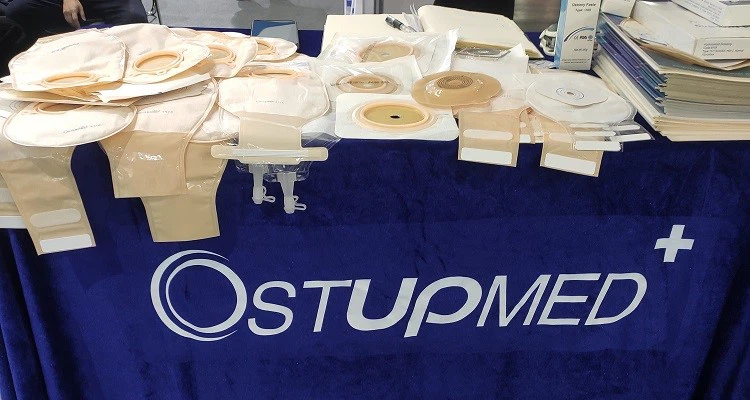
Jiangsu Ostup Medical Products Co., Ltd is located in Nanjing, a renowned cultural city in China. We focus on the research, development, production, and sales of polymer materials. Our main products include one-piece and two-piece ostomy bags, two-piece ostomy baseplates, wound care hydrocolloid dressings, silicone foam dressings, non-woven dressings, and transparent dressings. We are committed to providing stable quality products and professional service for those in need of ostomy bags and wound care.
Why Choose Us
Our Factory
Established in 2015, Jiangsu Ostup Medical Products Co., Ltd is based in Nanjing. We specialize in one-piece and two-piece ostomy bags, urostomy bags, ostomy paste, ostomy powder, and wound care hydrocolloid dressings.
Our Products
We focus on one-piece and two-piece ostomy bags, urostomy bags, ostomy paste, ostomy powder, and wound care hydrocolloid dressings.
Our Certificate
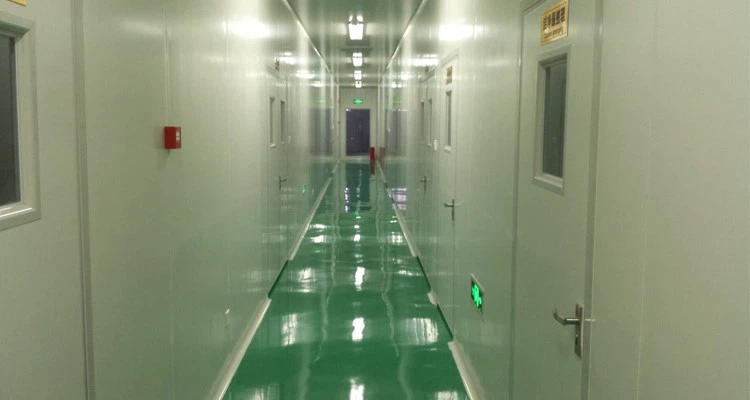
We adhere strictly to national standards for production and operate a 100,000-grade purification workshop, along with first-class laboratory, testing, and sterilization equipment. Our products have also passed CE, FDA, and ISO 13485 certifications.
Production Market
Our products are sold worldwide, including Europe, America, Asia, Southeast Asia, and the Middle East, receiving positive feedback from clients. Our goal is to comply with national laws and regulations and, under their guidance, research, develop, and produce high-quality ostomy and wound care products that meet international standards.
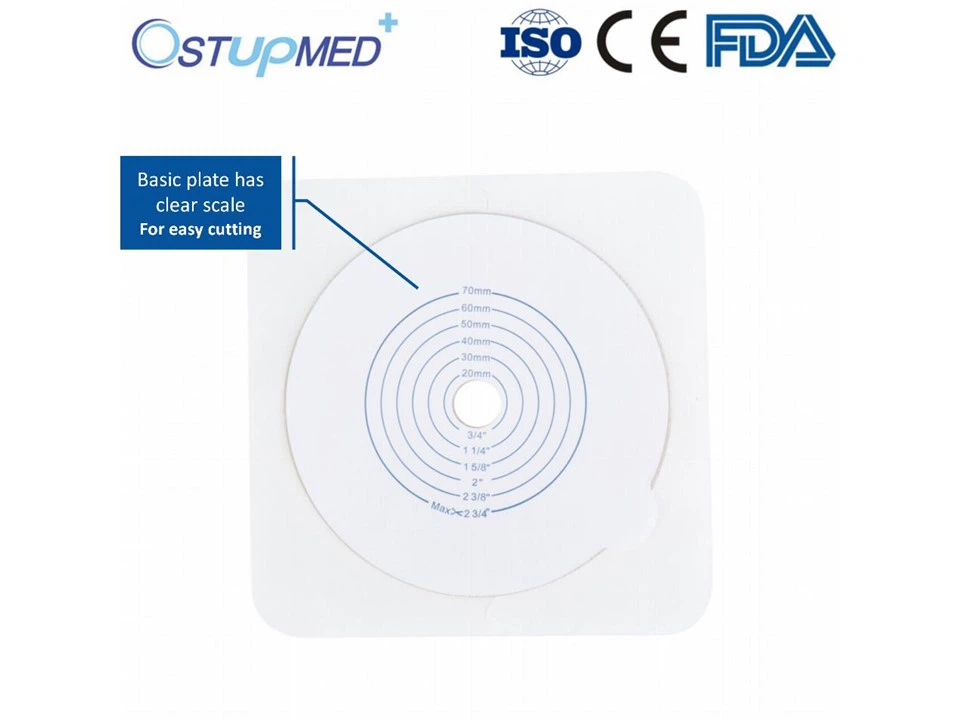
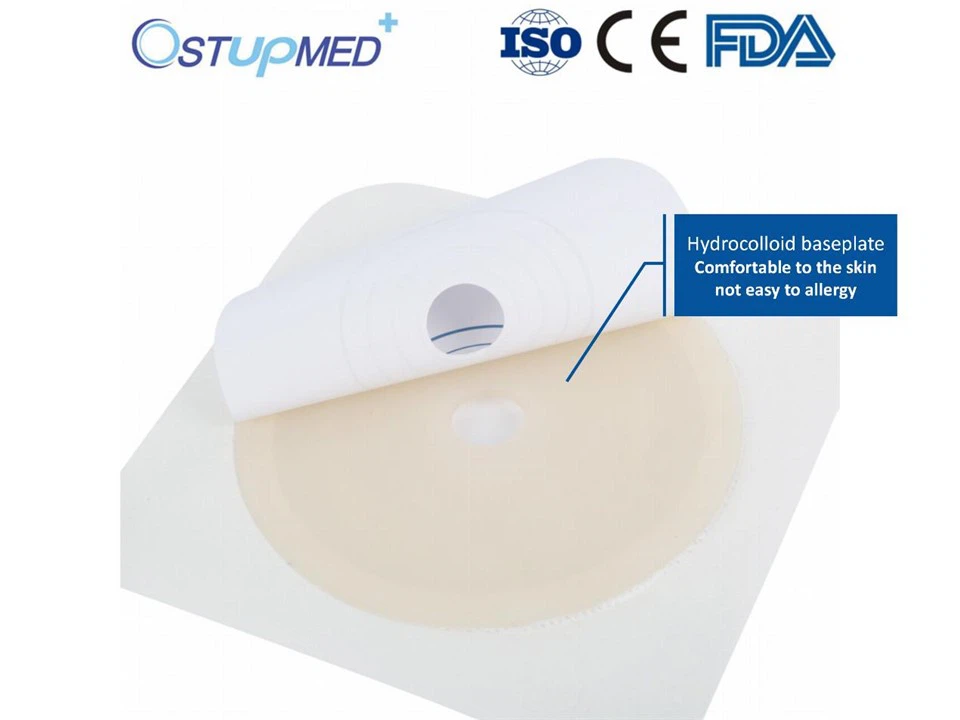

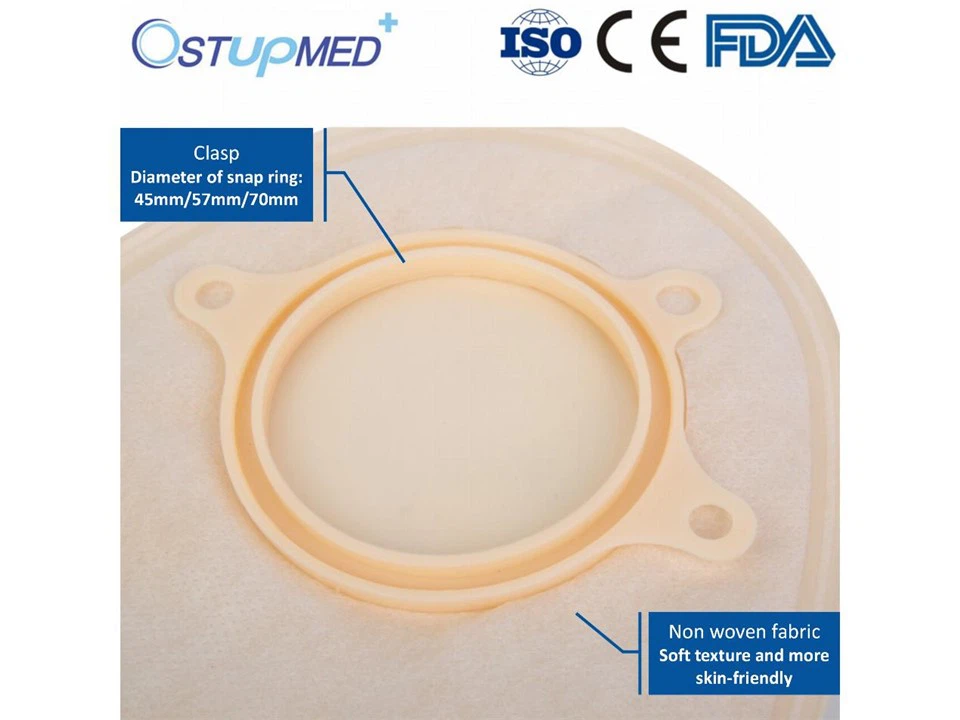
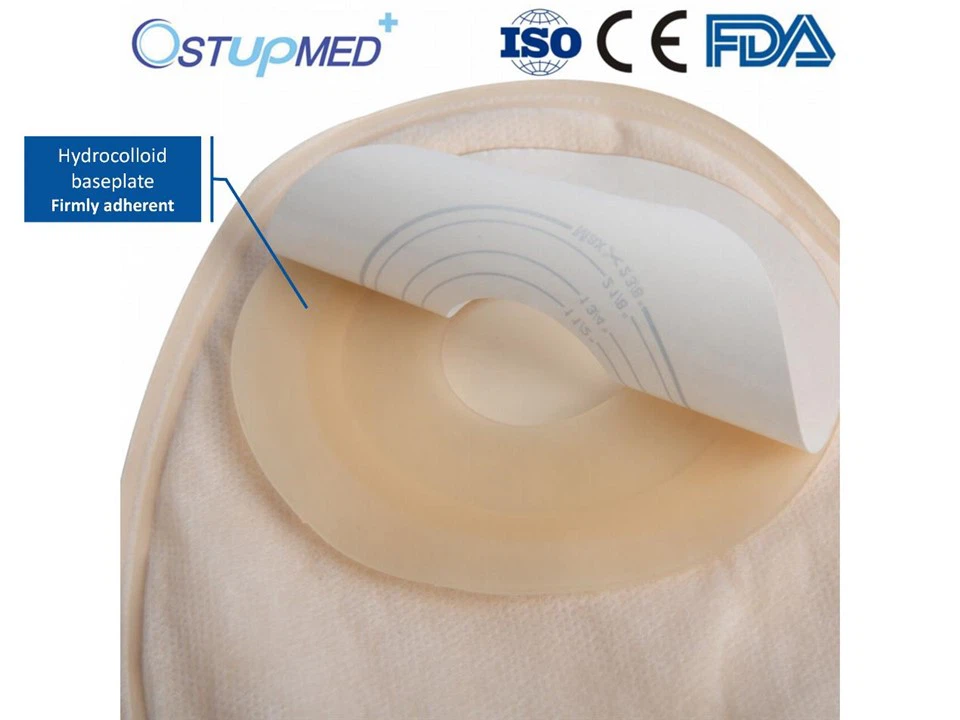

Urine drainage bags collect urine. Your bag will attach to a catheter (tube) that is inside your bladder. You may have a catheter and urine drainage bag because you have urinary incontinence (leakage), urinary retention (not being able to urinate), surgery that made a catheter necessary, or another health problem.
Urine drainage bags are commonly used by patients who have difficulty urinating naturally due to various medical conditions such as urinary incontinence, bladder dysfunction, or following surgeries involving the urinary tract.
Benefits of Urine Drainage Bag
Convenience
Drainage bags are designed to connect to the catheter and hang on a stand or bed frame. This allows patients to move freely without worrying about the catheter disconnecting or leaking. The bag also makes it easy to monitor the patient's urine output, enabling healthcare professionals to adjust the catheter as needed. As a result, the use of drainage bags has become increasingly important within the field of healthcare. For this reason, the urine drainage bag factory must consistently produce high-quality products to meet the needs of healthcare professionals and further enable patient care.
Hygiene
Drainage bags provide a safe way to collect and store urine, which helps to reduce infection risk. These bags are made of durable and waterproof materials and are designed to be leak-proof. This helps to keep the catheter area clean and free from bacteria or other contaminants.
Safety
When producing drainage bags in a medical device enterprise, safety is of utmost importance. To ensure patient safety, these bags feature anti-reflux valves that prevent urine from flowing back, which makes them highly reliable. Furthermore, the collection bag has a secure closure system that effectively prevents any overflows or leaks.
Types of Urine Drainage Bags

Urine drainage bags come in various designs, each tailored to meet specific patient needs. Understanding the distinct features and applications of each type is essential for selecting the right drainage bag to ensure comfort, mobility, and effective urine management.
Leg Bags: Leg bags are designed for ambulatory patients who require a discreet and comfortable solution for urine collection during the day. These bags are typically smaller in size and are attached to the patient's thigh or calf using straps or a leg bag holder. Leg bags allow for freedom of movement and can be easily concealed under clothing, making them ideal for daytime use.
Bedside Bags: Bedside urine drainage bags are designed for patients who are bedridden or require overnight urine collection, featuring a larger capacity to accommodate urine output throughout the night without needing frequent emptying. These bags typically have a long, flexible drainage tube connected to a urinary catheter, allowing for free urine flow, and are often hung on a bed rail or stand.
Wheelchair Bags: Wheelchair bags are specifically designed to attach securely to the frame of a wheelchair, ensuring that the bag is discreet, easily accessible, and positioned correctly to prevent backflow. They are similar to leg bags in design but are adapted for attachment to a wheelchair rather than the leg. Urinary Drainage Bag Holders are available to easily and conveniently secure drainage bags to wheelchairs while obscuring them from public view.
Urology Drainage Bags: While this term can also refer to urine drainage bags, it may be used more broadly in the field of urology to encompass a variety of drainage bags used for different purposes. In addition to urine collection, urology drainage bags might be used for draining other fluids in urological procedures, such as irrigation fluids during bladder or kidney surgeries.
Urine Drainage Bag Use And Care
Regardless of the type of urine drainage bag used, several factors must be considered to ensure comfort, hygiene, and proper functionality. Additionally, proper care is essential to ensure effectiveness and longevity.
Connection: Drainage bags connect to a catheter, which is inserted into the bladder. Ensure a secure connection to prevent leaks and reduce the risk of infection.
Positioning: Position the bag below the bladder level to facilitate gravity drainage. Bedside bags should be hung on a bed rail or stand, also below bladder level.
Hygiene: Regular cleaning of the area around the catheter insertion site and the bag's connection point is essential to prevent infections.
Emptying: Drain the bag before it becomes too full to avoid backpressure on the bladder. For leg bags, this might be every 3-4 hours, while bedside bags can be emptied less frequently.
Cleaning: Follow manufacturer guidelines for cleaning the bag. Some bags are reusable and should be cleaned and stored appropriately, while others are disposable and should be replaced regularly.
Storage: When not in use, store the bag in a clean, dry place. For reusable bags, ensure they are fully dry before storage to prevent bacterial growth.
Inspection: Regularly inspect the bag and tubing for signs of damage or wear, such as cracks or kinks. Replace any damaged components immediately.
Patient Hydration: Encourage the patient to maintain adequate hydration, as this can help prevent urinary tract infections and ensure proper drainage system function.
You have an indwelling urinary catheter. This drains urine from your bladder into a bag. The bag can be one that is used at your bedside. Or it can be a smaller bag that is strapped to your leg.
Drain the bag
Wash your hands well with soap and water to prevent infecting the urinary catheter and bag. If the short drainage tube is inserted into a pocket on the bag, take the drainage tube out of the pocket. Hold the drainage tube over a toilet or measuring container. Open the valve. Don't touch the tip of the valve or let it touch the toilet or container.
Clean the drainage tube
When the bag is empty, clean the tip of the drainage valve with an alcohol wipe. Close the valve. Reinsert the drainage tube into the pocket, if there is one.
Clean your skin
Wash your hands well before and after cleaning your skin. If you have a catheter (such as a Foley) that enters through the urethra, clean the urethral area with soap and water 1 time(s) daily as you were taught by your healthcare provider. You should also clean after every bowel movement to prevent infection. Don't pull on the tubing when cleaning so you don't injure the urethra. Don't apply antibiotic ointment or any other antibacterial product to the urethra. Don't use lubricant on the urethra. Don't apply powder to the genital area or to the tubing.
Check and clean the catheter tubing
Check the tubing. If there are kinks, cracks, clogs, or you can't see into the tubing, you'll need to change to new tubing as you were shown by your healthcare provider. If the current tubing can still be used, wash it with soap and water. Always wash the tubing in the direction away from your body. Don't pull on the tubing. Dry the tubing with a clean washcloth or paper towel.
How Often Should a Catheter Bag Be Changed?
With proper cleaning techniques in mind, it is also important to inspect your catheter bag daily for the appearance of any discoloration or other signs of reduced integrity. If the catheter bag begins to show signs of wear and tear, a new bag should be placed immediately. However, a good rule of thumb is to replace the Urine Drainage Bag monthly.
First and foremost, it should be noted that individuals need to thoroughly wash their hands both before and after emptying the Urine Drainage Bag or handling any of the catheter equipment such as the drainage tube or the catheter itself. It is good practice to wash your hands with soap and warm water for 20 seconds (roughly the length of the "happy birthday" song, twice). This will ensure that the urine collection bag remains uncontaminated by bacteria or foreign matter. This can also help prevent catheter-associated urinary tract infections (CAUTIs) from occurring.
One of the most important factors in Urine Drainage Bag care is the frequency in which the user empties the bag. As the Urine Drainage Bag becomes more full, its weight and mass consequently increase. This increase, in turn, produces a greater degree of stress on the user's urethra, which can very quickly become uncomfortable.
If a leg bag isn't changed frequently enough, the bag can become overfull. This can make it challenging to empty without spilling urine and can disrupt urine drainage from the catheter. In short, it is important that catheter users are mindful of how full their Urine Drainage Bags become.
It is very important to keep your urinary Urine Drainage Bag below the level of your bladder or waist. This will prevent the urine flow from leaving the bag and flowing back into the catheter and into the bladder. The user should also ensure that the pieces of your catheter system do not touch any foreign surfaces or objects, particularly the end of the catheter where the urine empties from, as this can contaminate the closed system.
For general cleaning, rubbing alcohol (or alcohol wipes) should be applied to any parts of the Urine Drainage Bag which are required to be touched after use, particularly in the case of the spigot. For more thorough cleaning, once the bag has been emptied and is not in use, a mixture of water and bleach can be placed inside the bag –taking special care to rinse extremely thoroughly afterward.
Our Factory
We strictly accordance with national standards for production and standardized 100,000 purification workshop and first-class laboratory, testing, sterilization equipment system. Meanwhile, Products have passed CE,FDA, ISO 13485 certification registration.


FAQ
Hot Tags: urine drainage bag, China urine drainage bag manufacturers, suppliers, factory, two piece colostomy bag, two piece ostomy bag occasional use, two piece ostomy bag review, Two Piece Ostomy Bag Open Type, extra large two piece ostomy bag, two piece ostomy bag product