


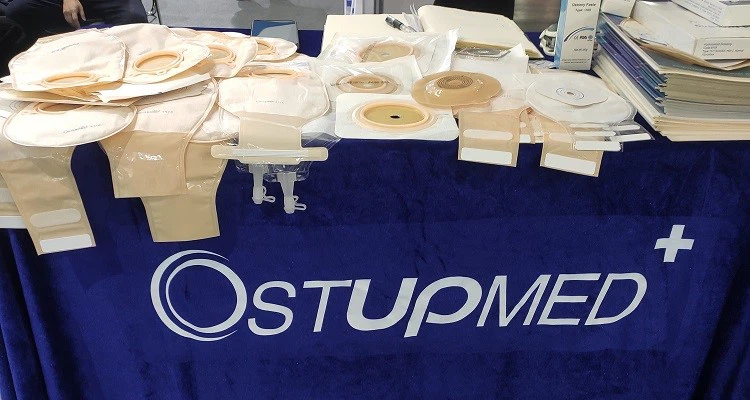
Jiangsu Ostup Medical Products Co., Ltd is located in Nanjing, a renowned cultural city in China. We focus on the research, development, production, and sales of polymer materials. Our main products include one-piece and two-piece ostomy bags, two-piece ostomy baseplates, wound care hydrocolloid dressings, silicone foam dressings, non-woven dressings, and transparent dressings. We are committed to providing stable quality products and professional service for those in need of ostomy bags and wound care.
Why Choose Us
Our Factory
Established in 2015, Jiangsu Ostup Medical Products Co., Ltd is based in Nanjing. We specialize in one-piece and two-piece ostomy bags, urostomy bags, ostomy paste, ostomy powder, and wound care hydrocolloid dressings.
Our Products
We focus on one-piece and two-piece ostomy bags, urostomy bags, ostomy paste, ostomy powder, and wound care hydrocolloid dressings.
Our Certificate
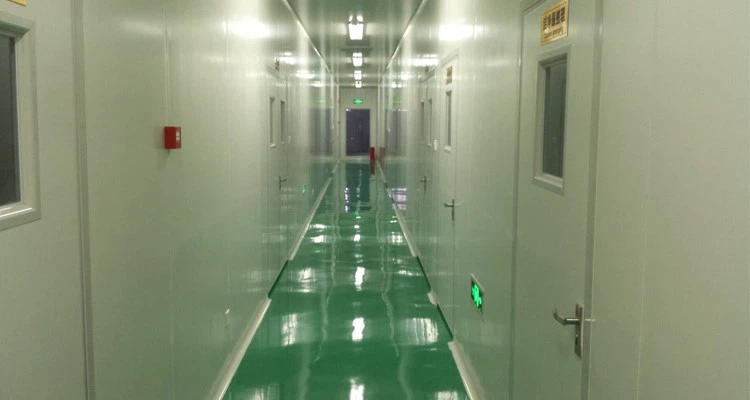
We adhere strictly to national standards for production and operate a 100,000-grade purification workshop, along with first-class laboratory, testing, and sterilization equipment. Our products have also passed CE, FDA, and ISO 13485 certifications.
Production Market
Our products are sold worldwide, including Europe, America, Asia, Southeast Asia, and the Middle East, receiving positive feedback from clients. Our goal is to comply with national laws and regulations and, under their guidance, research, develop, and produce high-quality ostomy and wound care products that meet international standards.
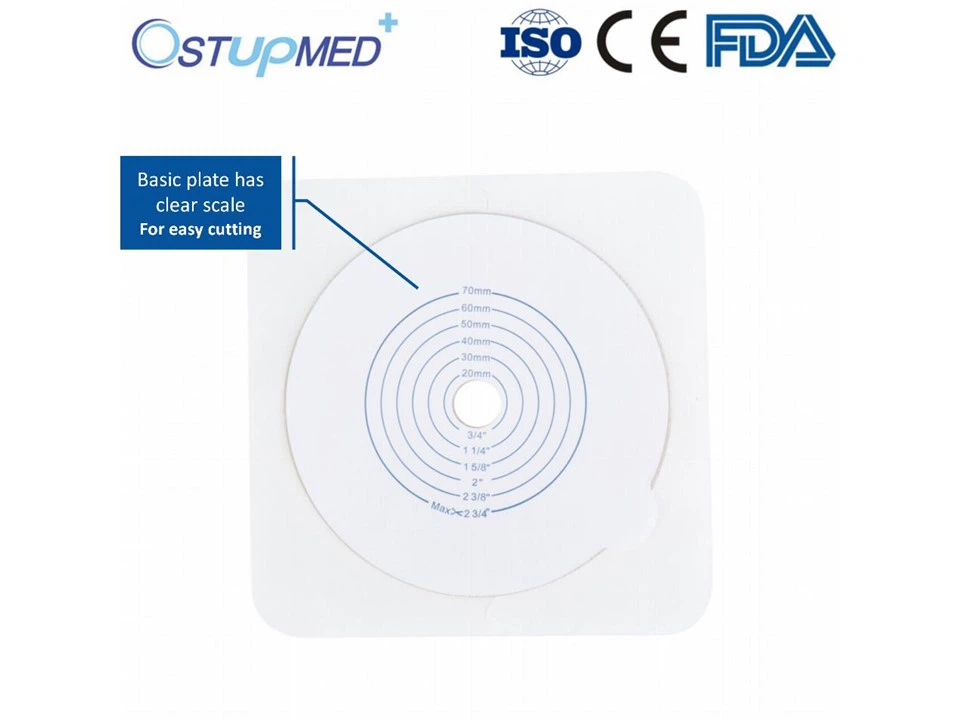
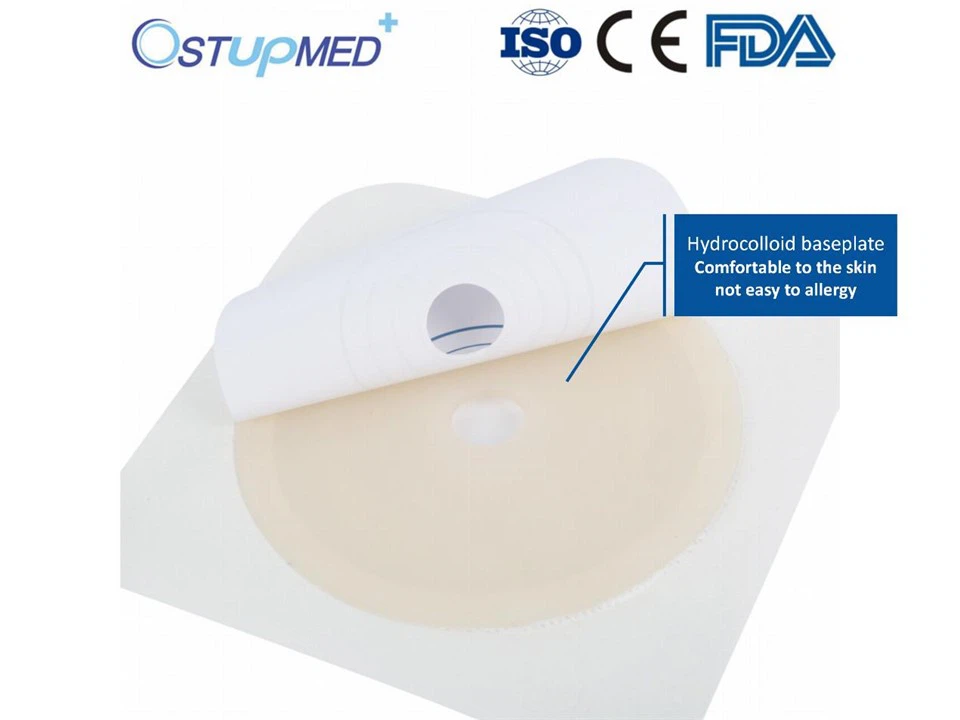

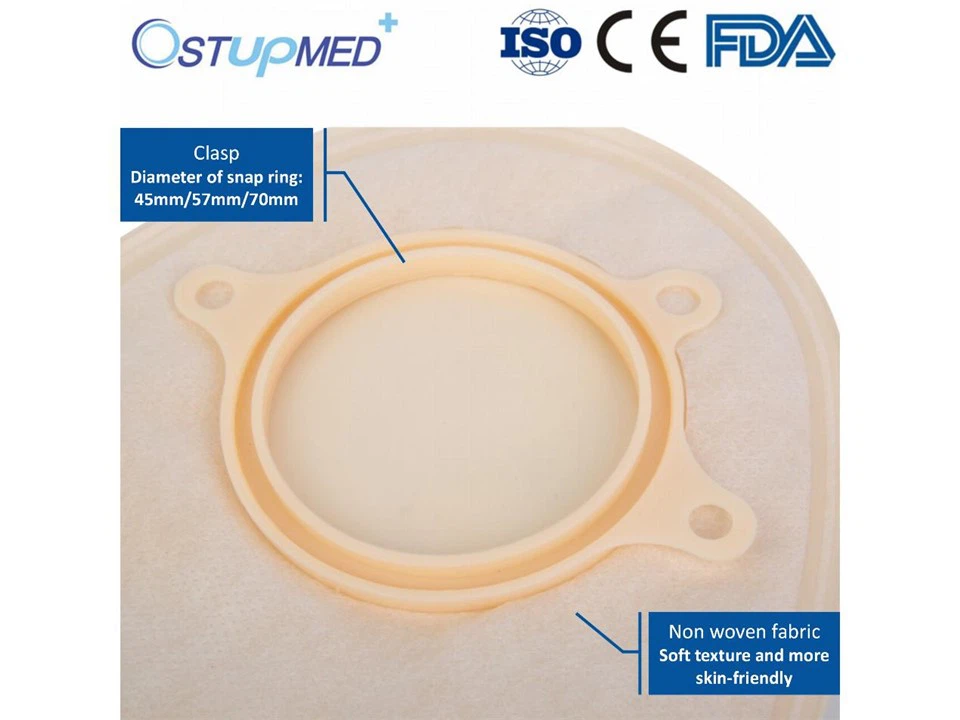
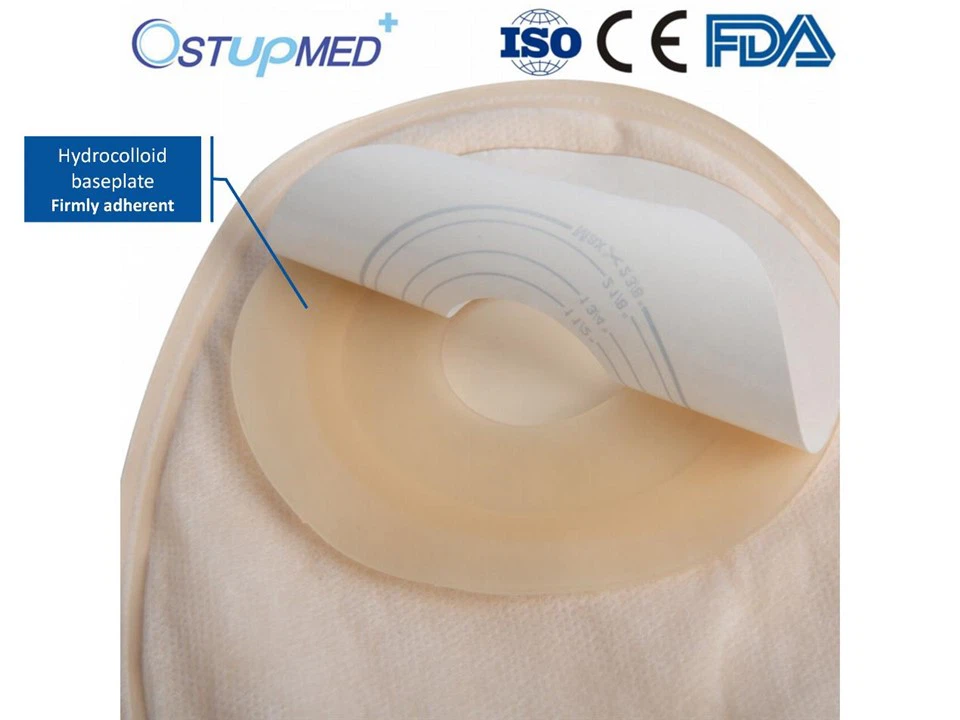
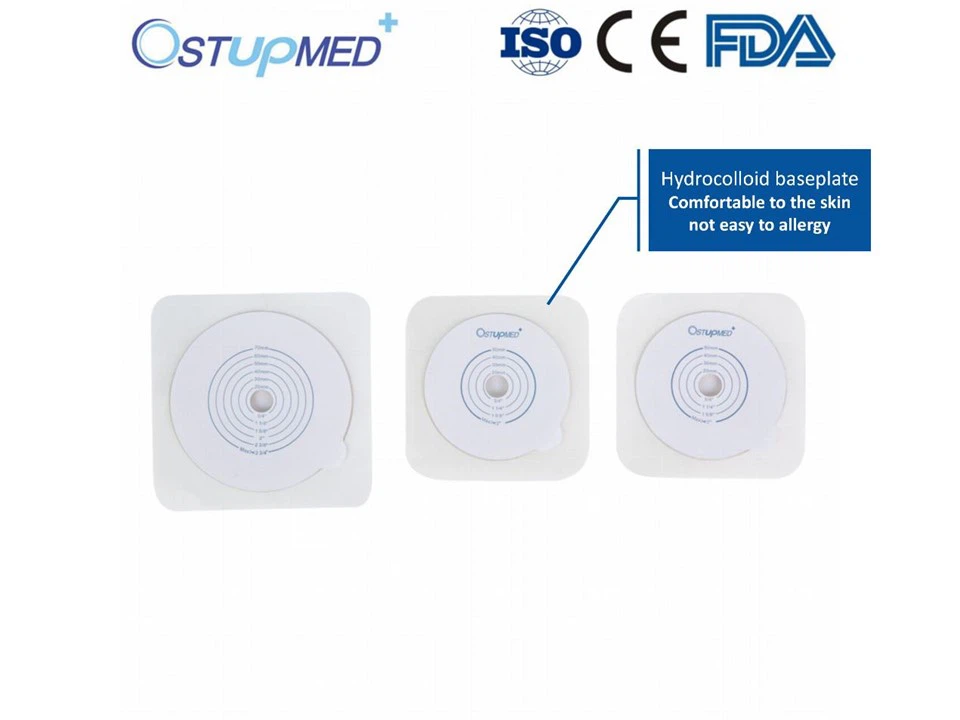
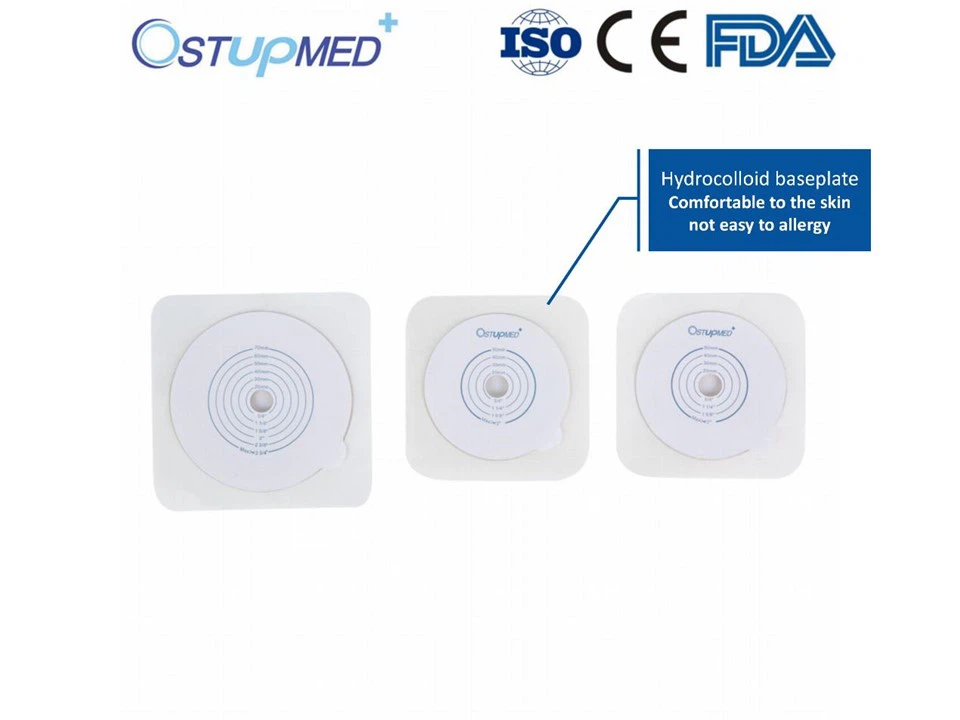
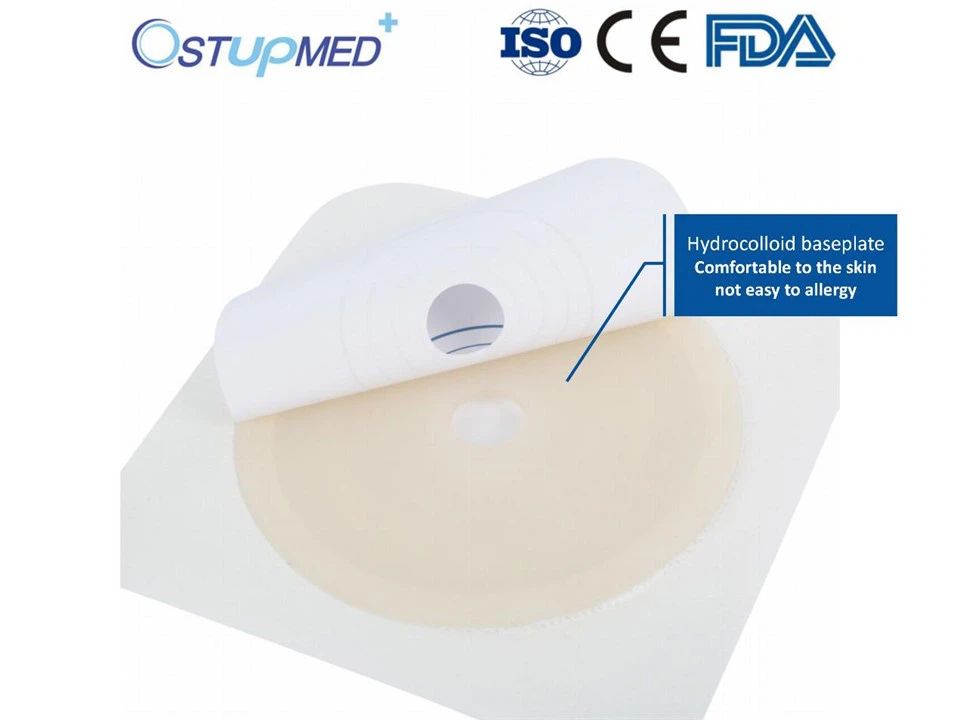

Disposable urine bags are widely used by patients suffering from loss of bladder control owing to aging health and the increasing geriatric population. Geriatric patients increasingly use disposable urine bags as they suffer from several old age problems. The rise in urinary infection diseases and the geriatric population drive the market's growth. Also, the growing number of gynecological and urological surgeries and the prevalence of urinary incontinence propel the market's growth. Additionally, there is an increasing growth in the number of patients with Alzheimer's and diabetes facing several health problems, increasing the demand for urinary drainage bags.
Benefits of Disposable Urine Bags
Convenience and Comfort
One of the most significant advantages of disposable urine bags is their convenience.They are designed for ease of use, allowing travelers to relieve themselves without the hassle of searching for a restroom. This is particularly useful in situations where clean facilities are scarce or non-existent, such as:
Outdoor festivals or events
With a disposable urine bag, individuals can maintain their comfort without disrupting their adventure. This accessibility allows them to focus on enjoying their experience rather than worrying about finding a suitable restroom.
Enhanced Hygiene
Hygiene is a crucial aspect of personal care, especially when traveling or participating in outdoor activities. Disposable urine bags are designed with cleanliness in mind.
Leak-proof materials to prevent spills
Odor-controlling technology to eliminate unpleasant smells
Antimicrobial properties to reduce the risk of infections
These features help ensure that users can maintain their cleanliness while on the go,providing peace of mind during their travels.
Standard Urine Bags: These are the most common types used in hospitals and home care settings. They are typically made from flexible plastic and can hold a significant volume of urine, often featuring a drainage spout for simple emptying.
Leg Bags: Leg bags are smaller urine collection bags designed to be connected to a catheter and worn on the leg. They are discreet and ideal for patients who wish to maintain their mobility while managing their urinary needs.
Night Bags: These larger bags are used during the night for patients who may be unable to get up frequently to empty their bags. Night bags typically have a higher capacity and are designed to be hung from a bed or a nearby fixture.
Bedside Urine Bags: Similar to night bags, bedside urine bags are larger and meant for stationary use. They are often used in clinical settings and feature an anti-reflux valve to prevent backflow.
Drainage Bags: These bags are designed for use in specialized medical situations where higher levels of urine output must be monitored. They commonly feature graduated markings for precise volume measurement and may be used alongside catheters or other drainage devices.
Disposble Urine Bange Market Growth Factors
Aging Population: The shift in population demographics toward an aging population results in an increased prevalence of urinary incontinence and other conditions associated to it. This, in turn, drives up the need for disposable urine bags as a solution for managing these concerns.
Expansion of Home Healthcare: The increasing preference for home-based healthcare services leads to an increase in demand for disposable urine bags that can be used in home care settings, which further strengthens the growth of the market.
Increasing Healthcare Expenditures: The rise in healthcare spending, particularly in developing nations, makes it easier to obtain medical supplies and devices, such as disposable urine bags, which in turn contributes to the expansion of the market.
Increasing Awareness of Hygiene: The market for disposable urine bags is being fueled by the growing awareness of infection control and hygiene measures, particularly in healthcare settings. This is because these bags are both hygienic and handy.
Increasing Prevalence of Urinary Diseases: The need for disposable pee bags is being driven by the increasing prevalence of urinary diseases all over the world, including urinary incontinence, urinary retention, and neurogenic bladder disorders. These disorders are characterized by their ability to effectively control and contain urine.
Technological Advancements: The performance, comfort, and convenience of disposable urine bags are continuously improved by technological advancements, which are boosting adoption rates and market growth. These advancements include ongoing innovations in materials, design, and manufacturing methods.
What Materials are Used in the

The manufacturing of Urine Drainage Bag involves a careful selection of materials designed to meet healthcare standards for safety, durability, and functionality. Understanding the materials used in the urine bag manufacturing process is crucial, as they directly affect the bag's performance, patient comfort, and overall effectiveness.
Polyvinyl Chloride(PVC)
One of the most commonly used materials in urine bag manufacturing is polyvinyl chloride (PVC). This thermoplastic polymer is favored for several reasons:
Durability: PVC is known for its high tensile strength and resistance to tearing, making it ideal for the rigors of storage and transportation.
Flexibility: The material can easily conform to various shapes without compromising integrity, allowing for comfortable usage. Quantity of urine, assisting in patient diagnostics.
Ethylene Vinyl Acetate (EVA)
Another prominent material used in manufacturing Urine Drainage Bag is ethylene vinyl acetate (EVA). This copolymer has characteristics that complement those of PVC, as outlined below:
Softness: EVA is relatively soft and offers a more comfortable texture, which can be particularly beneficial for long-term wear.
Biocompatibility: The material is often chosen for its compatibility with the human body, reducing the risk of irritation.
Resistance to Environmental Stress:EVA is less likely to degrade under environmental influences, thus ensuring the integrity of the urine collection system.
Additives and Stabilizers
To enhance the properties of the primary materials, various additives and stabilizers are included in the formulation. These components play significant roles in improving performance:
Plasticizers: These are added to increase the flexibility of the material, making it easier to handle and use. Preventing breakdown and extending the lifespan of the urine bag.
Stabilizers:These compounds protect the material from heat and UV radiation,Antimicrobial Agents: Certain manufacturers incorporate antimicrobial properties into the material to reduce the risk of infection for patients using the bag.
Manufacturing and Quality Control Materials
Beyond the primary materials, other specialized tools and substances are essential for maintaining the quality and safety of the Urine Drainage Bag throughout the manufacturing process:
Adhesives: Used to bind different components of the urine bag securely.
Testing Equipment: Instruments to evaluate the physical and chemical properties of the materials used, ensuring they meet industry standards.
Packaging Materials: Radiologically and chemically safe packaging materials are used to handle and transport Urine Drainage Bag, preventing contamination.
Steps for Safe Disposal of Disposable Urine Bags
To minimize risks associated with disposable urine bags, follow these straightforward disposal techniques:
Seal the Bag
Ensure that the bag is properly sealed before disposal. Most disposable urine bags are designed with a sealing mechanism to prevent spillage.
Use Designated Waste Containers
Wherever possible, dispose of urine bags in designated biohazard or medical waste containers. These are often available inhealthcare settings and some public restrooms.
Check Local Regulations
Familiarize yourself with local disposal regulations.Some regions may require urine bags to be treated as hazardous waste.
Avoid Flushing
Do not flush disposable urine bags down the toilet, as this can lead to plumbing issues and environmental impact.
How the Urine Drainage Bag Manufacturing
The manufacturing process of Urine Drainage Bags involves a series of carefully coordinated steps aimed at producing a reliable and safe medical device. These bags are essential for patients who require urinary incontinence management, postoperative care, or long-term catheterization. Understanding each step of the Urine Drainage Bag manufacturing process can provide insights into how quality and safety are ensured in this critical medical supply.
The first step in the Urine Drainage Bag manufacturing process is selecting appropriate materials.
Urine Drainage Bags must be durable, flexible, and resistant to leakage, while also being safe for medical use. Common materials used in this process include:
PVC (Polyvinyl Chloride): Known for its flexibility and strength, PVC is a widely used material in Urine Drainage Bag production.
Polyethylene: This material is often employed for its lightweight properties and low permeability to liquids.
Latex: While sometimes used, latex is less common due to potential allergic reactions in some patients.
Once the materials are selected, the next phase in the Urine Drainage Bag manufacturing process involves the design and prototyping of the bags. This stage includes:
Bag Dimensions: Designing a bag with appropriate volume and size according to its intended use.
Input and Output Valve Placement: Determining the optimal location for valves to facilitate easy drainage and prevent leaks.
Overall Ergonomics: Ensuring that the bag is comfortable for patients to use and easy for healthcare providers to handle.
The actual production of Urine Drainage Bags utilizes various advanced manufacturing techniques to ensure efficiency and consistency. Key techniques in the Urine Drainage Bag manufacturing process include:
Blow Molding: This technique is widely used to form the bag's body, allowing for a hollow structure that can be efficiently filled.
Welding and Sealing: Ultrasonic welding is often employed to join different parts of the bag, ensuring a leak-proof seal.
Labeling and Printing: Important information such as usage instructions, patient information, and safety warnings are printed or labeled onto the bag.
Quality control is an essential aspect of the Urine Drainage Bag manufacturing process. Each batch of Urine Drainage Bags undergoes rigorous testing to ensure they meet safety and performance standards. This includes:
Leak Testing: Bags are tested under pressure to ensure they do not leak during usage.
Durability Tests: The material's strength is tested through various simulations to ensure it can withstand everyday use.
Biocompatibility Testing: The final product must be tested to ensure it is safe for contact with the human body.
Urine Drainage Bag leaks can be inconvenient and uncomfortable for individuals relying on them for urinary management. However, there are strategies to minimize and address Urine Drainage Bag leaks effectively. Here are some tips for dealing with Urine Drainage Bag leaks:
- Ensure a proper and secure connection between the drainage tubing and the Urine Drainage Bag. Check for any loose or damaged connections and replace them if necessary.
- Position the Urine Drainage Bag correctly, ensuring it hangs freely without any kinks or tension on the tubing. This allows for proper urine flow and reduces the risk of leaks.
- Regularly inspect the drainage tubing for any cracks, holes, or blockages. Replace damaged tubing immediately to prevent leaks.
- Empty the Urine Drainage Bag before it reaches full capacity. Overfilling can put pressure on the bag and tubing, increasing the risk of leaks.
- Consider using additional securing methods such as leg straps or special adhesive attachments to keep the Urine Drainage Bag in place and minimize movement.
- If a leak does occur, carefully clean and dry the affected area before applying a clean, absorbent pad or garment to contain the leakage.
- Contact a healthcare professional or the manufacturer of the Urine Drainage Bag for further assistance if the leaks persist or become recurrent.
- Remember, addressing Urine Drainage Bag leaks promptly and effectively is essential for the comfort and well-being of individuals relying on them for urinary management.
Our Factory
We strictly accordance with national standards for production and standardized 100,000 purification workshop and first-class laboratory, testing, sterilization equipment system. Meanwhile, Products have passed CE,FDA, ISO 13485 certification registration.


FAQ
Hot Tags: disposable urine bags, China disposable urine bags manufacturers, suppliers, factory, two piece ostomy bag problematic use, high quality two piece ostomy bag, two piece ostomy bag portable design, two piece ostomy bag product, two piece ostomy bag bad use, two piece ostomy bag organization use