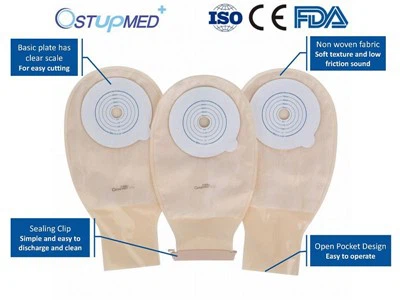
Jiangsu Ostup Medical Products Co., Ltd is located in Nanjing, a renowned cultural city in China. We focus on the research, development, production, and sales of polymer materials. Our main products include one-piece and two-piece ostomy bags, two-piece ostomy baseplates, wound care hydrocolloid dressings, silicone foam dressings, non-woven dressings, and transparent dressings. We are committed to providing stable quality products and professional service for those in need of ostomy bags and wound care.
Why Choose Us
Our Factory
Established in 2015, Jiangsu Ostup Medical Products Co., Ltd is based in Nanjing. We specialize in one-piece and two-piece ostomy bags, urostomy bags, ostomy paste, ostomy powder, and wound care hydrocolloid dressings.
Our Products
We focus on one-piece and two-piece ostomy bags, urostomy bags, ostomy paste, ostomy powder, and wound care hydrocolloid dressings.
Our Certificate
We adhere strictly to national standards for production and operate a 100,000-grade purification workshop, along with first-class laboratory, testing, and sterilization equipment. Our products have also passed CE, FDA, and ISO 13485 certifications.
Production Market
Our products are sold worldwide, including Europe, America, Asia, Southeast Asia, and the Middle East, receiving positive feedback from clients. Our goal is to comply with national laws and regulations and, under their guidance, research, develop, and produce high-quality ostomy and wound care products that meet international standards.

2 Piece System High Output Ostomy Pouch
Two piece colostomy bags: Allow you to change the ostomy bag no need removing the skin barrier(hydrocolloid baseplate). Press the buckle ring two side together. Save cost and easy to clean the pouch if needed.

Ostomy Bags With Charcoal Filter
The filter in an ostomy bag releases gas as the waste is expelled, and at the same time reduces or eliminates the release of odor, allowing the person who has undergone stoma surgery to avoid embarrassment and regain self-confidence.

Transparent Drainable Ostomy Bag
Based stoma patients own situation. Following your surgery, you may be provided with a clear pouch, This will help you get used to your output and determine when a pouch needs to be changed or emptied. Once you have gotten more comfortable with it. You may want to choose an opaque pouch for more discretion.

Closed-end pouches, also known as disposable ostomy bags, are designed for one-time use only, so they must be removed and disposed of once they are full. One popular option is the Esteem + Closed Pouch, which is a discreet pouch made of quiet materials, featuring an advanced filter with an anti-clog layer.

Ostomy bag with filter are most commonly made with carbon or charcoal and are integrated into ostomy bag to help with managing ostomy gas and odour. They help filter the gas out of an ostomy bag at the same time as neutralizing the odour that comes with it.

Your ostomy pouch is a heavy-duty plastic bag that you wear outside your body to collect your stool. Using an ostomy pouch is the best way to handle bowel movements after certain kinds of surgery on the colon or small intestine. You'll need to learn how to change your ostomy pouch.

Bag Film: EVOH
Thickness: 0.076mm
Pediatric bag size: W*L =15cm*28cm
Packing: 10pcs/box, 500pcs/carton
20pcs/box, 700pcs/carton

Bag Film: EVOH
Thickness: 0.076mm
Closed type bag size: W*L =14.5cm*19cm
Packing: 10pcs/box, 500pcs/carton
20pcs/box, 700pcs/carton
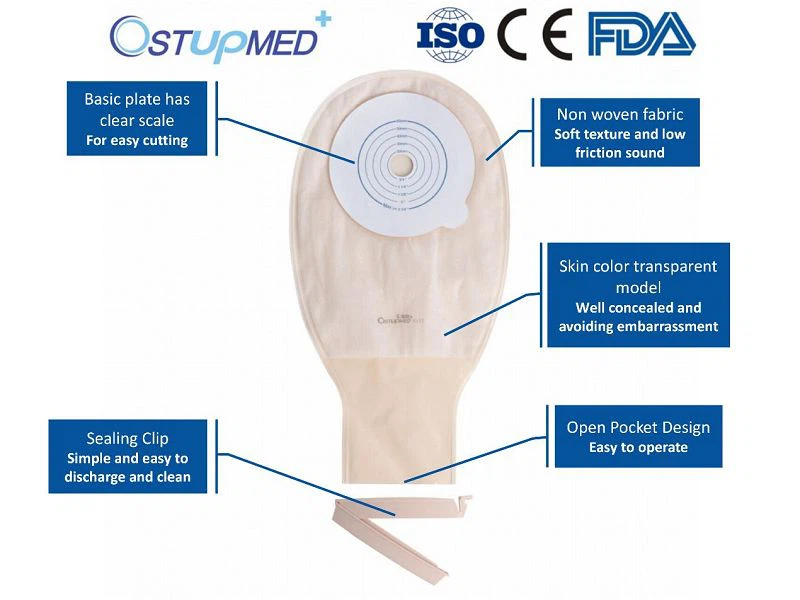
Bag Film: EVOH
Thickness: 0.076mm
Clip type bag size: W*L =15cm*28cm
Packing: 10pcs/box, 500pcs/carton
20pcs/box, 700pcs/carton
What Is Pediatric Ostomy Bag
Pediatric ostomy bags are specially designed bags used to collect waste from a surgically created opening (stoma) in a child's abdomen. These pouches are tailored for the smaller bodies of children, ensuring a snug and comfortable fit. Unlike adult versions, pediatric ostomy bags are smaller in size and have features that cater to a child's active lifestyle.
Benefits of Pediatric Ostomy Bag
Size and Fit: Pediatric ostomy bags are designed to fit small bodies, providing enhanced comfort and reducing irritation around the stoma area. Pediatric ostomy bags are smaller and designed to fit the unique contours of a child's body.
Skin-Friendly Materials: Many pediatric ostomy bags come with skin-friendly adhesives and materials that help prevent rashes or skin damage around the stoma site. They are made with gentle materials to minimize skin irritation and allergic reactions.
Secure Sealing: Pediatric ostomy bags come with secure sealing options to prevent leaks and provide peace of mind. Pediatric ostomy bags are equipped with strong seals and barriers, minimizing the risk of leaks and providing added confidence for children.
Discreet Design: The design is often discreet, allowing children to engage in various activities without feeling self-conscious. Advanced odor-control features are often included in pediatric ostomy bags, ensuring better hygiene and reducing embarrassment for children.
Types of Pediatric Ostomy Bag
Pediatric 1-piece Ostomy Bag
A 1-piece ostomy bags, also known as 1-piece systems, are a type of ostomy bag design that combines the collection bag and the adhesive wafer into a single unit. This means that the ostomy wafer and pouch are connected and cannot be detached from one another. If you want to change your bag, you will need to throw away the whole appliance and attach a new bag.
Pediatric 2-piece Ostomy Bag
A 2-piece ostomy bag is another type of ostomy bag design that consists of two separate components: A skin barrier (or wafer) and a detachable pouch.This means that the wafer and ostomy bag are separate and you must attach them to one another. If you choose to use a 2-piece ostomy bag, you are going to purchase your ostomy wafers and ostomy bags separately. You need to be sure that your wafer and bag are compatible with one another.
Typically, the ostomy bag is emptied when it is one-third full. This will prevent heaviness, pulling away from the skin and leaks. It is also more difficult to empty the ostomy bag when it is too full. Wiping the end of the ostomy bag clean helps avoid odors and clothing stains. You can avoid skin irritation by always making sure the tail closure is not pressing into your child's body.
For many parents, it is easiest to empty the ostomy bag into a diaper every three to four hours, or as needed. Older children who are beginning to be toilet trained should be taught to sit on the toilet, with their bottoms back as far as they can sit, and to empty the pouch directly into the toilet. Placing toilet paper in the toilet before the ostomy bag is emptied may help prevent splashing.

Material of Pediatric Ostomy Bag
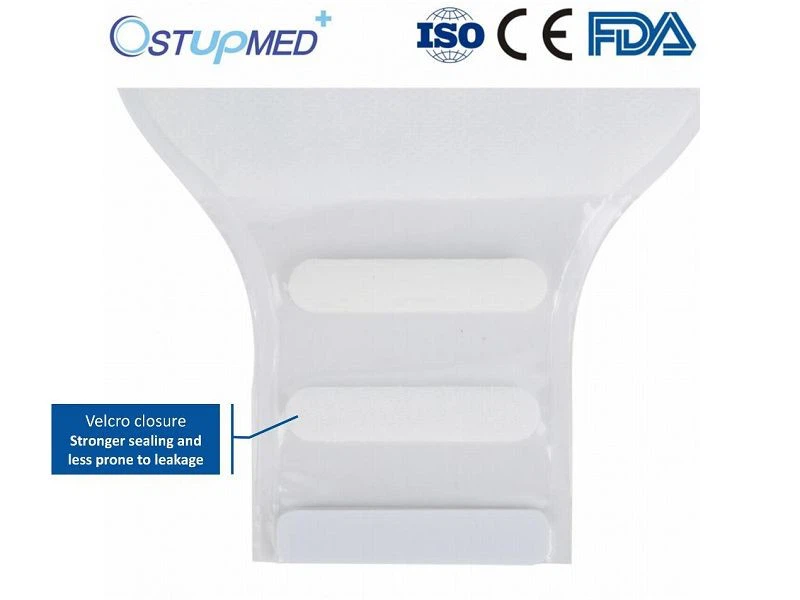
Typically, the outer layer of the bag is made from soft, skin-friendly, hypoallergenic materials such as polyethylene or polyester, which minimize skin irritation. The inner lining, in direct contact with the waste, is often composed of durable, odor-resistant materials like polyethylene or ethylene vinyl acetate. These materials provide a barrier to moisture and odors, ensuring that the bag remains discreet and hygienic. Additionally, the adhesive used to secure the bag to the child's skin is made from gentle, medical-grade hydrocolloids, which offer strong adhesion while preventing skin breakdown.
Every child is different, so you should ask your child's stoma care specialist about his or her unique needs. Ostomy bag wear time often depends upon the child's size, activity level, and for kids living with a colostomy, the thickness of his or her stool. For example, an infant may need a ostomy bag change daily. An older child may only need a ostomy bag change every three to four days.
A regular schedule for ostomy bag changes will help ease the transition to home care. Parents often learn when there are periods of slow ostomy bag activity such as before feedings or meals and plan routine ostomy bag changes during those times.
If you notice stool or urine leaking under the skin barrier, the ostomy bag should be changed to avoid skin irritation. If you need to change your child's ostomy bag more than once a day, call your child's healthcare provider for suggestions.

What Age Group of Children are Suitable for Pediatric Ostomy Bag?

Pediatric ostomy bags are suitable for children of various age groups, depending on their medical needs. These bags are generally used for infants, toddlers, and older children who require ostomy surgery due to conditions like congenital defects, gastrointestinal disorders, or diseases such as Crohn's disease or ulcerative colitis.
Infants (0-12 months): Specially designed ostomy bags are available for infants with congenital conditions like Hirschsprung's disease. These bags are smaller in size and made to accommodate sensitive skin.
Toddlers (1-3 years): For toddlers, ostomy bags are still small but provide more durability and flexibility to suit their active lifestyle.
Children (3-12 years): As children grow, the size and type of ostomy bags may change. They are designed to be more secure and comfortable for children attending school or engaging in regular activities.
Adolescents (12-18 years): Adolescents may use ostomy bags that are closer in size to adult bags but are still adapted for their body size and activity level.
5 Ways To Help Your Child With Their Pediatric Ostomy Bag
Educating Yourself and Your Child About Ostomy Bag
Knowledge is power, and understanding the ins and outs of ostomy bags can provide both you and your child with a sense of confidence. Start by seeking out educational resources about ostomy bag care and management, including tips for living with an ostomy bag, handling challenges that arise, and ensuring your child stays healthy and comfortable.
Additionally, be sure to teach your child about their ostomy bag and its purpose, fostering a sense of autonomy and ownership over their own care. If they don't understand it, the ostomy bag will just become an annoying problem they won't want to deal with, making it more difficult for them to fully adapt.
Finding the Right Type of Ostomy Bag
One of the most important aspects of helping your child with their ostomy pouch is finding the right type that best suits their needs. Typically, your child's healthcare team will provide guidance and recommendations, as they will be aware of any specific medical requirements related to your child's condition.
However, every child is different, so trial and error might be necessary. Depending on your child's condition, a drainable urostomy pouch might be a better fit than a generic ostomy bag. Don't be afraid to try out different brands or models until you find one that's a perfect fit for them.
Creating a Supportive and Positive Environment
Of course, caring for your child during this time extends past the ostomy itself. Fostering a healthy attitude toward ostomy bags is essential for your child's comfort and well-being. Encourage open discussions about their feelings and experiences and provide reassurance and empathy.
Validate their emotions and let them know that it's OK to feel a range of emotions as they adapt to their ostomy. Keep a positive outlook and celebrate their resilience and strength, emphasizing the benefits of ostomy in terms of improving their health and quality of life.
Collaborating With School and Extracurricular Activities
Be sure to communicate openly with your child's school, teachers, and coaches. This step is a vital part of creating a supportive environment outside of the home. Inform them about your child's ostomy bag and any specific needs or accommodations required. Collaborate with them to develop strategies that ensure your child's participation in school activities and extracurriculars remains fluid and comfortable. Your child's community can work to build a sense of belonging, routine, and normalcy that'll be integral to your child's mental well-being.
Connecting With Ostomy Support Groups and Resources
Finally, finding a community of individuals sharing similar experiences can provide you and your child with invaluable support and understanding. Look for local or online support groups, forums, and networks where you can connect with other parents of children with ostomies or even other children with similar experiences. These connections can provide your entire family with emotional support, advice, and friendship.
A method of manufacturing ostomy bags having an adhesive label or faceplate that attaches the ostomy bag to the body comprising welding two ostomy bag walls along a portion of their contour over an area extending from the top edge of the ostomy bag past the region to which the adhesive label is welded; inserting a separator member into the partially contour welded pouch to function as a base for one of the bag walls; welding or bonding an adhesive libel or faceplate to the bag wall that is supported by said separator member; removing said separator member; and completing the contour welding of said bag walls so as to form a completed ostomy bag of desired configuration.
How to Empty and Change your Pediatric Ostomy Bag
Emptying and Cleaning an Ostomy Bag
Sit on or stand next to the toilet. Hold the tail of the pouch up and remove the clamp. Unfold the tail and empty the stool into the toilet. Wipe the outside and inside of the tail clean or rinse out the pouch. Check and replace the pouch if there are any leaks or tears. Re-clamp the pouch: Place the bar of the clamp on the tail of the pouch. Check that the bar is across the entire width of the pouch, close the clamp, and press until it locks.
Changing an Ostomy Bag
Change your ostomy bag every 3 days as follows: Use water or adhesive remover to gently remove the old ostomy bag. Wash and dry the skin around the ostomy bag. Fit the new ostomy bag: Press the side of the skin barrier with the writing against your ostomy bag to make a wet pattern. Using scissors, cut out the opening close to the wet pattern. Place the opening over the ostomy to check fit. If it is too small, you can widen the opening with your fingers.
Attach the New Pouch
Wash your hands with soap and water. Gently peel the old wafer away from the skin. You may use alcohol free adhesive remover or a warm wet washcloth to help loosen the wafer to remove it. Look at the stoma and the skin around it. The stoma should be red or pink and moist. The skin should look smooth without open areas. Clean the skin around the stoma with lukewarm water. Do not use oils, cleansing baby wipes, soaps, or lotion on the skin. This may prevent the wafer from sticking to the skin. Pat the skin dry. Center the cut hole over the stoma. It should fit close to the stoma but not be too tight or scrape the edges of the stoma.
What to Consider When Choosing Pediatric Ostomy Bag
Consider Your Stoma
The first step in choosing the right ostomy bags is understanding children stoma. Consider its size, shape, and characteristics, as these factors directly influence the compatibility and effectiveness of the ostomy bag. A well-fitted ostomy bag should provide a snug yet comfortable seal around the ostomy bag, preventing leaks and irritation.
Consider Lifestyle
Your children lifestyle plays a pivotal role in determining the features your ostomy bag should encompass. Individuals with active lifestyles may benefit from pouches with additional security features, such as reinforced seals and odor control, to provide confidence during physical activities. Choose an ostomy bag that allows freedom of movement and comfort, especially for active children. A flexible and lightweight design is preferred.
Consider Your Medical Conditions
If you children have specific medical conditions or sensitivities, such as allergies or high ostomy bag output, it is crucial to choose a ostomy bag that addresses these considerations. Hypoallergenic materials, advanced filtration systems, and high-capacity options are available to cater to diverse medical needs.
Consider Preferences
Personal preferences play a significant role in ensuring long-term satisfaction with your chosen pouch. Consider factors such as material type, color, and ease of use. Some childrens prefer the softness of cloth-like materials, while others may prioritize the durability of plastic-based options. Pediatric ostomy bags should be durable enough to withstand daily wear and tear, yet still be soft and gentle on the skin.
Consider Waterproofing and Leak Prevention
A waterproof ostomy bag can be beneficial for activities like bathing and swimming, ensuring that the child can engage in normal activities without worry. A well-sealed ostomy bag with effective leak prevention is critical, as leaks can cause skin irritation and embarrassment for the child. Consider how discreet the bag is under clothing, as this can affect the child's confidence and comfort, especially in social settings.
FAQ
Hot Tags: pediatric ostomy bag, China pediatric ostomy bag manufacturers, suppliers, factory, ostomy hygiene, ostomy for rehabilitation, ostomy transparent, ostomy cohesiveness, ostomy for short term use, ostomy for product break even analysis