

Jiangsu Ostup Medical Products Co., Ltd is located in Nanjing, a renowned cultural city in China. We focus on the research, development, production, and sales of polymer materials. Our main products include one-piece and two-piece ostomy bags, two-piece ostomy baseplates, wound care hydrocolloid dressings, silicone foam dressings, non-woven dressings, and transparent dressings. We are committed to providing stable quality products and professional service for those in need of ostomy bags and wound care.
Why Choose Us
Our Factory
Established in 2015, Jiangsu Ostup Medical Products Co., Ltd is based in Nanjing. We specialize in one-piece and two-piece ostomy bags, urostomy bags, ostomy paste, ostomy powder, and wound care hydrocolloid dressings.
Our Products
We focus on one-piece and two-piece ostomy bags, urostomy bags, ostomy paste, ostomy powder, and wound care hydrocolloid dressings.
Our Certificate
We adhere strictly to national standards for production and operate a 100,000-grade purification workshop, along with first-class laboratory, testing, and sterilization equipment. Our products have also passed CE, FDA, and ISO 13485 certifications.
Production Market
Our products are sold worldwide, including Europe, America, Asia, Southeast Asia, and the Middle East, receiving positive feedback from clients. Our goal is to comply with national laws and regulations and, under their guidance, research, develop, and produce high-quality ostomy and wound care products that meet international standards.

2 Piece System High Output Ostomy Pouch
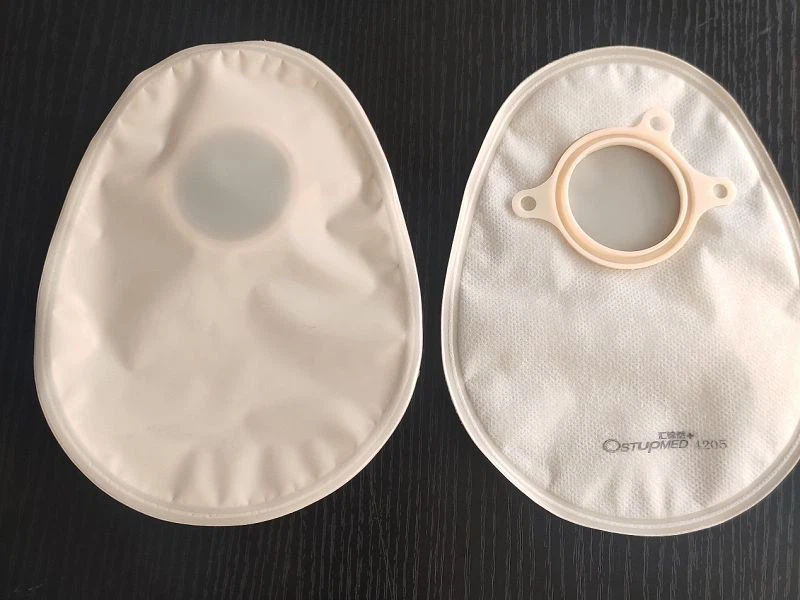
Two piece colostomy bags: Allow you to change the ostomy bag no need removing the skin barrier(hydrocolloid baseplate). Press the buckle ring two side together. Save cost and easy to clean the pouch if needed.

Ostomy Bags With Charcoal Filter
The filter in an ostomy bag releases gas as the waste is expelled, and at the same time reduces or eliminates the release of odor, allowing the person who has undergone stoma surgery to avoid embarrassment and regain self-confidence.

Transparent Drainable Ostomy Bag
Based stoma patients own situation. Following your surgery, you may be provided with a clear pouch, This will help you get used to your output and determine when a pouch needs to be changed or emptied. Once you have gotten more comfortable with it. You may want to choose an opaque pouch for more discretion.

Closed-end pouches, also known as disposable ostomy bags, are designed for one-time use only, so they must be removed and disposed of once they are full. One popular option is the Esteem + Closed Pouch, which is a discreet pouch made of quiet materials, featuring an advanced filter with an anti-clog layer.

Ostomy bag with filter are most commonly made with carbon or charcoal and are integrated into ostomy bag to help with managing ostomy gas and odour. They help filter the gas out of an ostomy bag at the same time as neutralizing the odour that comes with it.

Your ostomy pouch is a heavy-duty plastic bag that you wear outside your body to collect your stool. Using an ostomy pouch is the best way to handle bowel movements after certain kinds of surgery on the colon or small intestine. You'll need to learn how to change your ostomy pouch.

Bag Film: EVOH
Thickness: 0.076mm
Baseplate: Hydrocolloid
Urine type bag size: W*L =15cm* 18.5cm(nozzle length 4cm)
Packing: 5pcs/box, 300pcs/carton for baseplate
15pcs/box, 525pcs/carton for urostomy bag

Bag Film: EVOH
Thickness: 0.076mm
Baseplate: Hydrocolloid
Urine type bag size: W*L =15cm* 18.5cm(nozzle length 4cm)
Packing: 5pcs/box, 300pcs/carton for baseplate
15pcs/box, 525pcs/carton for urostomy bag

Two Piece System Drainable Ostomy Bag
Bag Film: EVOH
Thickness: 0.076mm
Baseplate: Hydrocolloid
Sealing strip type bag size: W*L =14cm*27cm
Packing: 5pcs/box, 300pcs/carton for baseplate
20pcs/box, 700pcs/carton for bag
What Is Closed Ostomy Bag
Closed-ostomy bags are single-use ostomy bags that need to be removed and disposed of during each change. You cannot empty them and simply reattach them, as there's no opening or outlet area to do so. Since the only opening in a closed ostomy bag is where it attaches to the stoma, these are a great option for sports, water activity, and intimate moments. The lack of an opening for drainage provides many ostomies with the added confidence that they won't experience a leak or accidental drainage during these moments.
Benefits of Closed Ostomy Bag
They're More Convenient To Use
When it comes to managing life with an ostomy, the choice of the type of pouch system you use is paramount. One thing that many users will agree on is that the primary benefit of a closed ostomy bag is its convenience. Unlike drainable ostomy bags, closed ostomy bags are designed for one-time use. This means there's no need to worry about cleaning or maintenance throughout the day.
They're Much More Discrete
Another significant advantage of the closed ostomy bag is the level of discretion it offers. With a closed ostomy bag, the profile is typically more streamlined and less bulky than its drainable counterpart, making it less visible under clothing. This can lead to increased confidence in social situations, allowing you to focus on enjoying your activities rather than worrying about the visibility of your pouch.
They're a Lot More Hygienic
Lastly, the closed ostomy bag promotes better hygiene and reduces the risk of leakage. Since these bags are designed for single use, the chances of encountering issues related to cleaning or leakage are significantly reduced. This not only ensures your comfort but also minimizes the risk of skin irritation and infection around the stoma site.
They Will Save You a Lot of Time
An often overlooked but integral benefit of closed ostomy bags is their potential to save time. Because they require no emptying or cleaning for use, users can simply dispose of a pouch and replace it with a new one, streamlining the process and reducing the time spent in the bathroom. On top of that, closed ostomy bag can provide more freedom in your schedule since you won't have to keep going to the bathroom to empty them out.
An closed ostomy bag is a plastic pouch that collects either urine or stool. When someone has a colostomy (an opening between the colon and abdomen) or ileostomy, (an opening between the ileum and abdomen) the bag collects stool. If someone has a urostomy (an opening between the bladder and abdomen), the bag collects urine.
The closed ostomy bag has a donut-hole opening. Around the opening is an adhesive that attaches to the skin surrounding the stoma. The whole system allows urine or stool to collect naturally in the bag. The user does not need to do anything to force the contents into the bag. The ostomy bag is odor-resistant and sealed tight to prevent leaks.

How often should a closed ostomy bag be changed?

The frequency in which you'll change your closed ostomy bags depends on your output and activity levels, but many ostomates find that, on average, they go through three pouch changes per day. However, closed ostomy bags need to be changed and disposed of regularly throughout the day, regardless of where you are. Therefore, it's important to learn how to change your ostomy pouch in difficult situations (like public restrooms) and make sure that you carry enough supplies on you to make these changes throughout the day.
The primary materials used in closed ostomy bag production are usually medical-grade plastics like polyethylene or polyurethane for the pouch and low friction non-woven that covers the plastic pouch so it does not cause abrasion to the skin when moving, and skin-friendly adhesives for the flange and hydrocolloid (the part that adheres to the skin) other materials like acrylic adhesives are utilized to attach performance components to the bag. These materials are selected for their durability, flexibility, and biocompatibility.

What Surgeries Require a Closed Ostomy Bag?
Colostomy
If you need to get a colostomy, a part of your large redirected out into a stoma, typically on the lower left side of your abdomen. More often than not, this results in consistently firm, formed stool output and will need to be replaced or emptied a few times every day. Sometimes, a temporary colostomy is done to help aid in healing after surgery or an injury, other times a colostomy is permanent.
Ileostomy
An ileostomy is done when your small intestine is redirected through a stoma, typically on the right side of your abdomen. This results in a need to discard output frequently, which will affect your preferences for types of bags.
Urostomy
A urostomy is done when your small intestines are redirected to divert urine from the ureters through the stoma. This is done when the bladder is removed or needs to be bypassed for healing. A urostomy creates a stoma that's usually located on the right side of the abdomen.
A Few Tips on Changing Your Closed Ostomy Bag
Pay Attention to Peristomal Skin
The skin that surrounds your stoma is called the peristomal skin. This is where your ostomy pouch will attach to. Understandably so, it can be more sensitive and prone to irritation, especially if not cared for properly. Try to pay attention to the health and appearance of your peristomal skin and give it a little time to breathe in between pouching changes. You may want to use ostomy-specific skin irritation products, but the best way to make sure that it remains healthy is to properly size your ostomy pouching system.
Keep Track of Pouch Changes
It's also important to keep track of your ostomy pouch changes. Although you might think you can retain it in your head, life tends to get pretty busy. This can cause us to forget or be unsure of our schedules. The easiest way to remember when you last changed your pouch is to simply write the date on your new pouch as you're putting it on. All you need to do is grab a permanent marker and write it on either side. This small detail can make a world of difference for your ostomy management, so it's definitely worth the added effort.
Set Phone Alarms
Another option to help you with your ostomy pouching schedule is to set alarms on your phone. This can be especially helpful during the first few months as an ostomate, where you're still getting used to living with a pouch. When the alarm goes off, simply head to the bathroom to check your pouch. If it seems like it's getting full, change it. If not, set another alarm and continue on with your day or night.
Don't Ignore Any Signs of Discomfort
Finally, signs of discomfort are signs of an issue. If you start to feel any pressure, pulling, or even pain, it could be due to a small leak or irritation caused by the ostomy product itself. If you can address the discomfort immediately, do so. Otherwise, it's best to schedule some time with your ostomy nurse to determine what's going on and make changes as necessary. Ostomies are meant to help you; they should never cause you pain.
Living With an Closed Ostomy Bag

As you adjust to life with an ostomy bag, be patient with yourself and lean on your healthcare team for guidance. Support can help you adapt to your new normal and lead an active life. Feeling discouraged or alone is common. Start by talking to your partner, close friends, or family during your recovery. Consider joining a support group or talking to someone with an ostomy.
People with ostomies participate in a wide range of activities, including running, swimming, and skiing. Ask your surgeon about any activities that may not be safe. Many healthcare providers recommend avoiding contact sports due to the risk of injury to the stoma.
Ostomy surgery can affect intimate relationships, and you may feel self-conscious about your stoma. Your partner may also be concerned about hurting you or dislodging the equipment. Talk openly with your partner. Consider wearing intimate clothing like open panties or cummerbunds to secure the pouch and feel more comfortable.
Closed ostomy bags are best for individuals who experience more fully formed bowel movements or thicker output. However, they are also great for ostomates with thin or runny output who want to gain a bit more confidence during sports, while in the water, or when engaging in intimate acts. Although drainable ostomy bags shouldn't open on their own, the lack of this extra opening in closed systems tends to give individuals a bit more confidence. More convenient for those who prefer a low-maintenance option, as the entire bag is discarded after use. They are typically used for individuals who do not need to empty their bags frequently, such as those with a colostomy.
Similarly, individuals who have undergone a urostomy where the output is strictly urine benefit from using a drainable ostomy bags. However, individuals with a urostomy may need specialized pouches to accommodate the release of urine. Drainable pouches may also be difficult for individuals with thicker outputs or more inconsistent bowel movements, as emptying the pouch itself can be time-consuming and may take more work.

Get the right type of ostomy skin barrier
First, ensure you're using the right ostomy supplies to fit your unique body and stoma. The right size and type of skin barrier, also known as a wafer, will adhere snugly and keep your skin protected from irritation and leakage. This is important because you want your stoma output to flow into your ostomy pouch and not underneath or around the skin barrier.
Measure your stoma to get the right size for your skin barrier
Getting the right size can make all the difference in how your ostomy appliance fits. A skin barrier that doesn't provide a snug fit may allow stomal output to seep under or around it, which results in leakage. Here's something you may not know. Even if you have used the same size of skin barrier for a while, it might not be the right size for you today as it was months ago. This is because stoma sizes and shapes can gradually alter over time, although usually, the most significant changes occur as it heals during the months and weeks after ostomy surgery.
Apply your ostomy skin barrier to clean, dry, shaved skin
To make sure your closed ostomy bag will stay secure without leaks, apply your skin barrier to clean skin. Also, be sure your peristomal skin is dry before applying your pouching system. In other words, if you've been sweating or swimming or if you've just recently taken a bath or shower, dry your skin with a clean towel. Don't use oily or alcohol-based lotions, soaps, or hair removal creams around your stoma. Be sure to only apply ostomy-safe skincare products.
Keep your peristomal skin healthy
If the skin surrounding your stoma is weepy, raw, rashy, or irritated, your skin is telling you something is wrong. Not only will skin conditions like this make it harder to keep your ostomy appliance secure and properly sealed, but it can also cause more issues down the road if left ignored. First, consider talking to your doctor or an ostomy nurse about any skin issues you're having. They are qualified to offer medical advice and may be able to pinpoint the cause of your skin issues, such as an allergic reaction, a poorly-fitting ostomy pouch system, or irritation from leakage or too frequent skin barrier changes.
Consider using an ostomy belt for additional security
If your closed ostomy bag leakage occurs most frequently during physical activity or movement, you may need additional support in the form of an ostomy belt. Ostomy belts attach to your pouch and wrap around your waist for a comfortable and secure fit while providing support to compensate for the weight of your ostomy bag. This is especially helpful when you're engaging in physical activity such as yoga, running or walking, or weight lifting. If you have an active lifestyle, an ostomy belt could be just what you need for more security to reduce the risk of stoma leaks.
Make sure you're emptying or changing out your pouch frequently
The fuller your closed ostomy bag gets, the more it weighs down and pulls against the seal around your stoma. This is actually one of the number one causes of frequent ostomy leaks. It's important to make sure you're taking bathroom breaks to empty or change your pouch throughout the day. This helps reduce the risk of leakage or blowout due to an overfull ostomy pouch.
A good rule of thumb to follow is to empty your pouch as soon as it's around 1/3 full. By the time it's halfway full, your pouch will likely weigh more and exert more pressure against your ostomy seal. Above all, be sure to avoid the danger zone, which is when your bag gets so full that output collects around the stoma itself. This highly increases the risk of leakage. Plus, it can irritate your stoma or even cause infection if left unattended or if it happens frequently.
FAQ
Hot Tags: closed two-piece ostomy bag, China closed two-piece ostomy bag manufacturers, suppliers, factory, two piece ostomy bag inefficient use, two piece ostomy bag management use, two piece ostomy bag modern design, two piece ostomy bag underuse, two piece ostomy bag upgrade, Urine Drainage Bag


