

Hey there! I'm running a business as a Permanent Colostomy Bag supplier, and I get tons of questions from customers. One query that pops up quite often is, "Can I eat seafood with a permanent colostomy bag?" Well, let's dig into this topic and find out the answers.
First off, let's understand what a permanent colostomy bag is. A colostomy is a surgical procedure where a part of the colon is redirected to an opening in the abdomen, called a stoma. The permanent colostomy bag is then attached to the stoma to collect waste. It's a life - changing device for many people, allowing them to live relatively normal lives after certain health issues like bowel cancer, Crohn's disease, or severe bowel injuries.
Now, onto the big question about seafood. Seafood is a great source of protein, omega - 3 fatty acids, and other essential nutrients. It's generally a healthy food choice for most people. But when you have a permanent colostomy bag, there are a few things to consider.
One of the main concerns is the potential for food to cause blockages. Some types of seafood, especially those with small bones or tough connective tissues, can pose a risk. For example, sardines with their tiny bones or squid with its chewy texture might not pass through the stoma easily. If these get stuck, it can lead to discomfort, pain, and even serious complications like a bowel obstruction. So, it's important to be careful with the types of seafood you choose.
Another factor is the effect of seafood on the odor of the stoma output. Certain seafood, like shellfish, can make the waste in the colostomy bag smell stronger. This is because of the high sulfur content in some shellfish. While it's not a huge deal, it can be a bit embarrassing or unpleasant for some people.
But don't worry, you don't have to give up seafood completely. There are plenty of seafood options that are safe and suitable for people with a permanent colostomy bag. Fish like salmon, tuna, and cod are great choices. They are usually boneless or have large, easy - to - remove bones. These fish are also rich in nutrients and are less likely to cause blockages. You can cook them in various ways, such as baking, grilling, or steaming.
When it comes to shrimp, as long as you peel and devein them properly, they can be a good addition to your diet. Just make sure to chew them well before swallowing. And if you're worried about the odor, you can try adding some herbs and spices to your seafood dishes. For example, lemon juice can help neutralize the smell, and herbs like parsley and dill can add a fresh flavor.
Now, let's talk about how our products as a Permanent Colostomy Bag supplier can help you enjoy seafood safely. Our Adult Ostomy Bag is designed to be comfortable and reliable. It has a secure seal that prevents leaks, even if the stoma output has a stronger odor due to the seafood you've eaten. The material is soft and gentle on the skin around the stoma, reducing the risk of irritation.
We also offer the Ostomy Bag Clip Type. This type of bag is easy to empty and clean. It gives you more control over the bag, especially when you're dealing with different consistencies of waste that might come from eating seafood.
If you're in a situation where you need a temporary solution, our Temporary Colostomy Bag is a great option. It's just as high - quality as our permanent bags but is designed for short - term use.
When you're starting to introduce seafood into your diet after getting a permanent colostomy bag, it's a good idea to start small. Have a small portion of your chosen seafood and see how your body reacts. Pay attention to any changes in the stoma output, such as consistency, color, or odor. If you experience any discomfort or problems, stop eating the seafood and consult your doctor or a dietitian.
It's also important to stay hydrated. Drinking plenty of water helps keep the waste in the colostomy bag soft and easier to pass. This is especially important when you're eating seafood, as it can be a bit heavier on the digestive system.
In conclusion, you can definitely eat seafood with a permanent colostomy bag, but you need to be smart about it. Choose the right types of seafood, cook them properly, and pay attention to your body's reactions. And with our high - quality colostomy bags, you can enjoy your seafood meals with confidence.
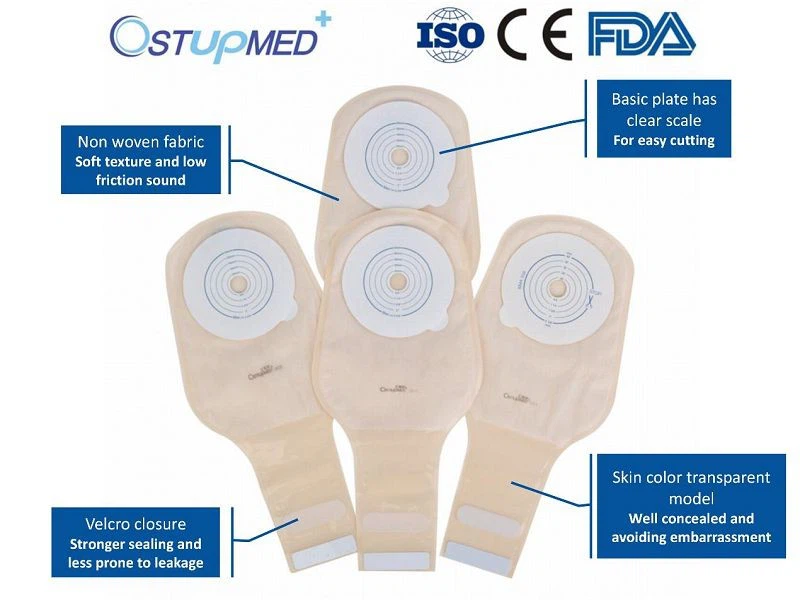

If you're interested in our products or have any questions about permanent colostomy bags, don't hesitate to reach out. We're here to help you find the best solutions for your needs. Whether you're a new user or looking to switch to a better product, we can offer you the support and advice you need. Contact us to start a procurement discussion and see how we can make your life with a permanent colostomy bag more comfortable and convenient.
References
- "The Complete Guide to Living with a Colostomy" by a well - known medical publisher.
- Research studies on diet and colostomy care from medical journals.