

A permanent colostomy is a significant surgical procedure that redirects the colon through an opening in the abdomen, known as a stoma, to allow for the elimination of waste. This life - altering change brings about numerous physical, psychological, and social challenges for patients. A stoma nurse, in this context, plays a multifaceted and crucial role in managing a permanent colostomy bag. As a supplier of Permanent Colostomy Bags, I have witnessed firsthand the importance of the stoma nurse's work in ensuring patients' well - being and successful adaptation to this new lifestyle.
Pre - operative Education
One of the primary roles of a stoma nurse is to provide pre - operative education to patients who are about to undergo a permanent colostomy. This education is essential as it helps patients understand what to expect before, during, and after the surgery. The stoma nurse explains the surgical procedure in detail, including how the stoma will be created and how the colostomy bag will function. They use visual aids, such as diagrams and models, to illustrate these concepts clearly.
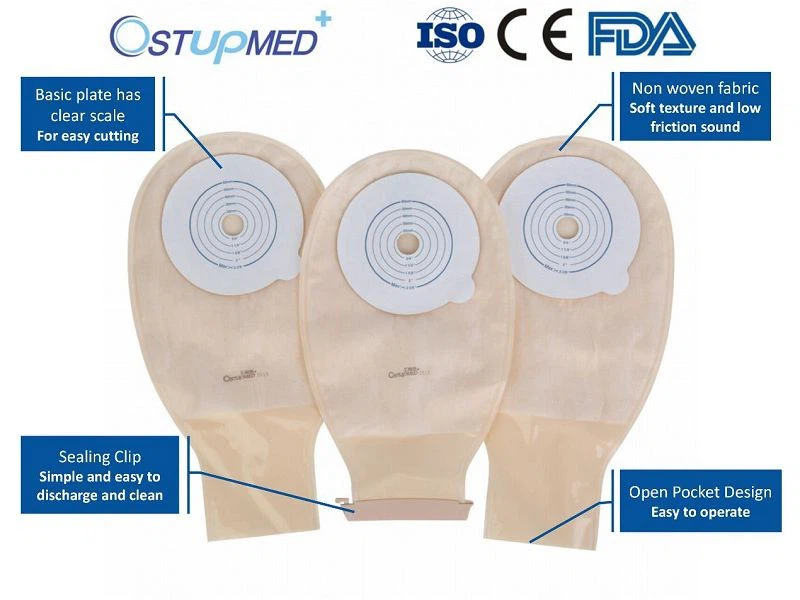
For instance, they will show patients the different types of colostomy bags available, like the Permanent Colostomy Bag that our company supplies. They discuss the features of these bags, such as their capacity, material, and attachment methods. This information allows patients to make informed decisions about the type of bag that will best suit their needs.
The stoma nurse also addresses the emotional and psychological aspects of having a colostomy. They understand that patients may feel anxious, scared, or self - conscious about the upcoming change. By providing empathetic support and counseling, they help patients come to terms with the idea of living with a colostomy bag. This pre - operative preparation is vital in reducing patients' stress levels and improving their overall surgical experience.
Stoma Site Marking
Before the surgery, the stoma nurse is responsible for marking the stoma site on the patient's abdomen. This is a critical step as the location of the stoma can significantly impact the patient's ability to manage the colostomy bag effectively. The stoma nurse considers several factors when choosing the stoma site, such as the patient's body shape, skin condition, and lifestyle.
They ensure that the stoma is placed in an area that is easy for the patient to see and reach, allowing for convenient bag changing and stoma care. They also avoid areas that may cause problems, such as skin folds, bony prominences, or areas that are likely to be irritated by clothing. By carefully selecting the stoma site, the stoma nurse helps prevent complications and improves the patient's quality of life after surgery.
Post - operative Care
After the surgery, the stoma nurse provides immediate post - operative care to the patient. They monitor the stoma's appearance and function, checking for any signs of complications such as bleeding, swelling, or infection. They also teach the patient and their family members how to care for the stoma and the colostomy bag.
This includes demonstrating how to clean the stoma, change the bag, and manage any leakage. They recommend the use of appropriate products, such as the Transparent Ostomy Bag, which allows for easy monitoring of the stoma and its output. The stoma nurse also provides instructions on how to maintain good skin health around the stoma, as the skin can be easily irritated by the digestive enzymes in the stool.

Patient Training and Empowerment
A key role of the stoma nurse is to train patients to become independent in managing their colostomy bags. They provide step - by - step training on all aspects of colostomy care, from bag selection and application to emptying and disposal. They encourage patients to ask questions and practice these skills under their supervision until they feel confident.
The stoma nurse also educates patients about their diet and lifestyle modifications. They explain how certain foods can affect the consistency and odor of the stool, and provide advice on how to manage these issues. For example, they may recommend avoiding foods that cause excessive gas or diarrhea. They also discuss the importance of staying active and maintaining a healthy weight, as these factors can impact the function of the stoma and the fit of the colostomy bag.
By empowering patients with knowledge and skills, the stoma nurse helps them regain control over their lives and adapt to their new situation. This self - management is crucial for long - term success in living with a permanent colostomy.
Problem Solving and Complications Management
Stoma nurses are often the first point of contact for patients when they encounter problems with their colostomy bags. They are skilled in problem - solving and can quickly identify and address issues such as leakage, skin irritation, and blockages.
In case of leakage, the stoma nurse may adjust the bag's fit or recommend a different type of adhesive. If the patient is experiencing skin irritation, they may suggest using skin - protecting products or changing the bag more frequently. For blockages, they can provide instructions on how to relieve the obstruction safely.
They also play a vital role in managing more serious complications, such as stoma prolapse or stenosis. They work closely with the surgical team to ensure that patients receive appropriate treatment and follow - up care. By providing prompt and effective solutions to these problems, the stoma nurse helps prevent further discomfort and complications for the patient.
Psychological Support
Living with a permanent colostomy can have a significant impact on a patient's mental health. Many patients may feel self - conscious, isolated, or depressed due to their condition. Stoma nurses provide ongoing psychological support to these patients, helping them cope with the emotional challenges of living with a colostomy.
They listen to patients' concerns and fears, and offer reassurance and encouragement. They may also refer patients to support groups or counseling services if needed. By addressing the psychological aspects of colostomy care, the stoma nurse helps improve patients' overall well - being and quality of life.
Collaboration with Other Healthcare Professionals
Stoma nurses work as part of a multidisciplinary healthcare team, collaborating with surgeons, dietitians, physical therapists, and other healthcare professionals. They share their expertise and knowledge about colostomy care with the team, ensuring that patients receive comprehensive and coordinated care.
For example, they may work with dietitians to develop a personalized diet plan for the patient based on their stoma function and nutritional needs. They may also collaborate with physical therapists to help patients regain their strength and mobility after surgery. This collaboration is essential for providing the best possible care for patients with permanent colostomies.
Product Evaluation and Recommendation
As a Permanent Colostomy Bag supplier, I know that stoma nurses play a crucial role in evaluating and recommending ostomy products. They are constantly updated on the latest advancements in colostomy bag technology and can provide valuable feedback to manufacturers.
They assess the performance of different colostomy bags in real - world settings, considering factors such as comfort, reliability, and cost - effectiveness. Based on their experience and patients' needs, they recommend the most suitable products to patients. For example, they may recommend the Disposable Ostomy Bag for patients who prefer a more convenient and hygienic option.
Conclusion
In conclusion, the role of a stoma nurse in managing a permanent colostomy bag is indispensable. From pre - operative education and stoma site marking to post - operative care, patient training, and problem - solving, stoma nurses provide comprehensive support to patients throughout their colostomy journey.
As a supplier of Permanent Colostomy Bags, we recognize the importance of working closely with stoma nurses to ensure that our products meet the needs of patients. We are committed to providing high - quality colostomy bags that are reliable, comfortable, and easy to use.
If you are interested in learning more about our Permanent Colostomy Bags or would like to discuss potential procurement opportunities, please feel free to reach out. We are eager to collaborate with healthcare providers, stoma nurses, and other stakeholders to improve the lives of patients with permanent colostomies.
References
- Lunn, K., & Chapple, C. (2018). Stoma care: a practical guide. Wiley.
- National Institute for Health and Care Excellence (NICE). (2019). Colorectal cancer: recognition and management. NICE guideline.
- RCNi. (2020). Stoma care: assessment and management. RCN learning zone.