


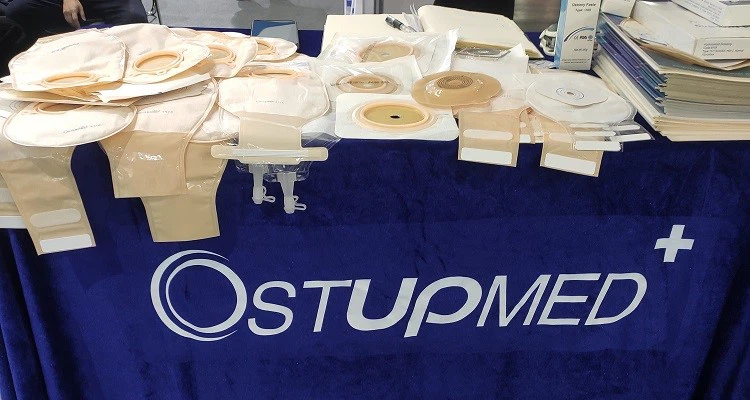
Jiangsu Ostup Medical Products Co., Ltd is located in Nanjing, a renowned cultural city in China. We focus on the research, development, production, and sales of polymer materials. Our main products include one-piece and two-piece ostomy bags, two-piece ostomy baseplates, wound care hydrocolloid dressings, silicone foam dressings, non-woven dressings, and transparent dressings. We are committed to providing stable quality products and professional service for those in need of ostomy bags and wound care.
Why Choose Us
Our Factory
Established in 2015, Jiangsu Ostup Medical Products Co., Ltd is based in Nanjing. We specialize in one-piece and two-piece ostomy bags, urostomy bags, ostomy paste, ostomy powder, and wound care hydrocolloid dressings.
Our Products
We focus on one-piece and two-piece ostomy bags, urostomy bags, ostomy paste, ostomy powder, and wound care hydrocolloid dressings.
Our Certificate
We adhere strictly to national standards for production and operate a 100,000-grade purification workshop, along with first-class laboratory, testing, and sterilization equipment. Our products have also passed CE, FDA, and ISO 13485 certifications.
Production Market
Our products are sold worldwide, including Europe, America, Asia, Southeast Asia, and the Middle East, receiving positive feedback from clients. Our goal is to comply with national laws and regulations and, under their guidance, research, develop, and produce high-quality ostomy and wound care products that meet international standards.


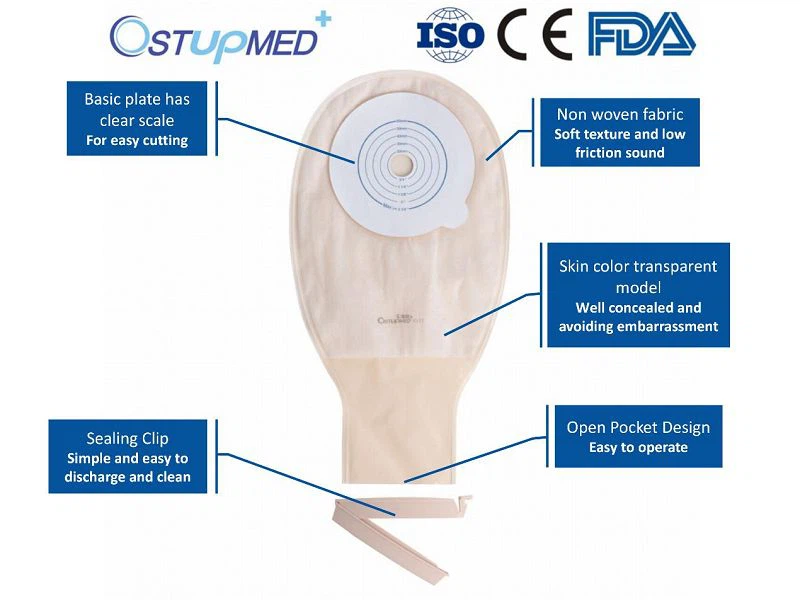

A temporary colostomy bag is a plastic bag that collects fecal matter, also called stool or poop, from the digestive tract through an opening in the abdominal wall called a stoma. Doctors attach a bag to the stoma following a colostomy operation.
During a colostomy, a surgeon will bring out a portion of a person's large intestine through the stoma. The temporary colostomy bag can then collect stool as it passes through the gut.
During a surgical procedure known as a colostomy, an opening called a stoma or ostomy is formed between the large intestine (colon) and the abdominal wall. This allows waste products to be excreted through the opening in the abdominal wall rather than via the colon through the rectum and anus.
Benefits of temporary colostomy bag
Improved quality of life
A colostomy can help patients who have suffered from bowel obstruction, chronic constipation, or other conditions that have severely impacted their quality of life.
Increased independence
Many patients find that they are able to live more independently after having a colostomy, as they no longer need to worry about finding a restroom at short notice.
Reduced pain
In many cases, a colostomy can reduce the pain associated with conditions such as ulcerative colitis, Crohn's disease, or colorectal cancer.
Better nutrition
Patients who have a colostomy may find that they are able to absorb more nutrients from their food, as the colon is no longer processing waste.
Type of Temporary Colostomy Bag
Two-Piece Colostomy Bags
The two-piece colostomy pouch is a tried-and-true classic design.
In two-piece pouching systems, the skin barrier (also known as an ostomy wafer or baseplate) that adheres to the skin around the stoma is a separate piece from the collection pouch. So the two pieces involved will be the separate skin barrier and a colostomy bag of your choosing.
One-Piece Colostomy Bags
For ostomates who prefer fewer steps in their pouching process, one-piece colostomy pouches are a simple option. This is because this type of ostomy bag is all one-piece, meaning the skin barrier and pouch are already joined together.
Closed Colostomy Bags
Closed ostomy pouches, also known as closed-end or disposable pouches, are entirely enclosed. In other words, closed pouches do not have an opening to drain or empty the bag for reuse.
If you prefer a one-time-use only pouching option, closed colostomy bags may be what you want. You can wait until the pouch is ready to be changed, and throw it away once they're full.
Drainable Colostomy Pouches
Drainable colostomy pouches feature a wide-mouthed drain on the bottom, which you can open to drain the contents into a toilet.
These types of colostomy bags are reusable too. After emptying your pouch, you can re-close it and continue with your day. In other words, you can continue using a drainable pouch for a longer period of time, rather than replacing it every time it's full (as with closed pouches).
The Anatomy of an Ostomy Bag vs. a temporary colostomy bag
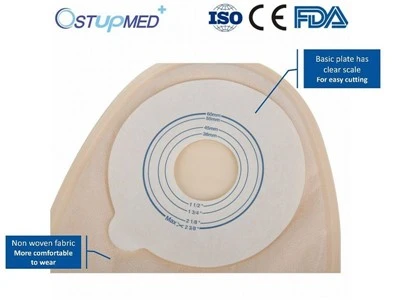
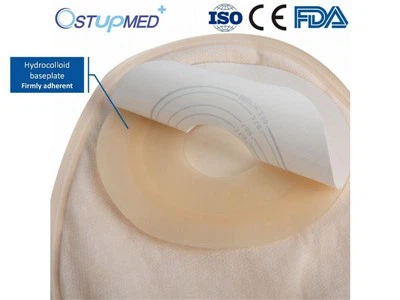

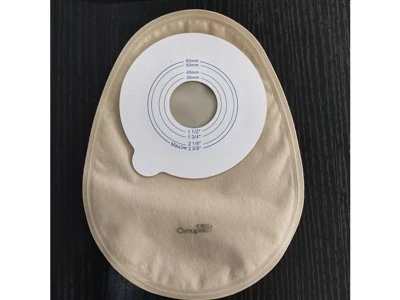
The anatomy of an ostomy bag versus a temporary colostomy bag reveals specialized features and functions tailored to accommodate different types of stomas and the unique needs of individuals living with an ostomy. While both devices share the common purpose of collecting waste outside the body, understanding their design intricacies can provide valuable insights into their operation and maintenance. This knowledge is crucial for those adjusting to life after ostomy surgery, ensuring they can confidently manage their new circumstances.
Ostomy Bag Design: Ostomy bags, used in various types of ostomy surgeries, including ileostomies and urostomies, are designed to collect either fecal or urinary waste. These bags come in one-piece or two-piece systems, where the one-piece system combines the skin barrier and pouch, and the two-piece system allows the pouch to be detached without removing the skin barrier. Features like filters for gas release and anti-reflux valves in urostomy bags to prevent urine backflow are integral for functionality and comfort.
Temporary colostomy bag Features: Temporary colostomy bags specifically cater to colostomies, where a portion of the colon is rerouted to a stoma. They are equipped with similar one or two-piece systems but are tailored for fecal waste, which is typically less liquid than output from ileostomies. Some temporary colostomy bags also include locking systems to close the bag and odor barriers to minimize smells securely.
Skin Barrier Function: The skin barrier, or wafer, is critical to both types of bags. It adheres to the skin around the stoma, protecting it from waste and preventing skin irritation. The effectiveness of the skin barrier in providing a secure, leak-proof seal is paramount for all ostomy types.
Adaptability for Lifestyle: Ostomy and temporary colostomy bags offer options for discretion and comfort, including transparent or opaque pouches and different sizes to suit the individual's lifestyle, activity level, and personal preference.
Living With An Ostomy Bag Vs. Temporary Colostomy Bag Lifestyle Adjustments And Care
Living with an ostomy bag or a permanent temporary colostomy bag necessitates a series of lifestyle adjustments and care routines to effectively manage the new normal. While both situations require adapting to life with a medical device for waste collection, the specifics of daily living and maintenance can vary depending on the type of ostomy. These adjustments are crucial for ensuring not only the physical health of individuals with an ostomy but also their emotional well-being and quality of life.
Diet and Nutrition: Due to the more distal diversion in the digestive tract, individuals with a colostomy may enjoy a broader diet than those with an ileostomy. However, monitoring and gradually introducing foods to assess tolerance is recommended for both groups.
Hydration: For ileostomy patients, staying hydrated is especially crucial because the small intestine, which absorbs water, is rerouted. Colostomy patients also need to ensure adequate fluid intake, though their large intestine continues to absorb some water from waste.
Physical Activity: Both ostomy and temporary colostomy bag users can engage in physical activities, including sports, but may require special support garments to secure the bag and protect the stoma. Avoiding heavy lifting shortly after surgery is advised to prevent hernias.
Skin Care: Proper care around the stoma site to prevent irritation and infection is vital. Regular cleaning and timely bag replacement are essential to maintaining healthy peristomal skin for all ostomies.
Find the Right Ostomy Pouch and System for Your Body
First, find the right ostomy pouch and system for your body. You'll need one that works with your stoma and that you are comfortable wearing and changing. It should be a good size for you and stay attached to your body until you choose to remove it.
Try Different Clothing Styles
Some people with ostomies prefer to wear leggings, tights, or high-waisted pants. They like the support they get, and the bag won't move around. Others prefer loose or baggy clothing, so there's plenty of space for the bag. A few companies make clothing specifically designed for people with ostomies, which can be ordered online. Since modern clothing comes in a variety of waistband heights, you should be able to find something that works for you and your temporary colostomy bag, too.
Choose Swimsuits and Undergarments That Won't Interfere With Your Bag
Some people with ostomies prefer one-piece swimsuits because they cover the bag, while others like two-piece suits because they don't touch it at all. There are also swim wraps that go around your waist and cover your bag. You can wear a wrap above a pair of swim trunks or as a colorful accent to a bikini.
Consider an Ostomy Wrap
An ostomy wrap can hold your temporary colostomy bag in place if you're particularly worried about it under your clothing. These go around your body and the bag, keeping it tucked against your skin no matter what. If you want to wear something form-fitting, these wraps may help you feel more comfortable. They can also be helpful when you're playing sports or being especially active.
Manage Odors
Since ostomy bags are made to be airtight, they shouldn't make your clothing smelly. As long as you change the bag according to the recommendations for the particular system you're using, you shouldn't have any problems. If you're particularly worried, there are odor-elimination products specially made to go inside the ostomy bag. (Do not use any fragrance products that are not specifically designed for an ostomy bag.) You could also carry a pocket air freshener or perfume, just in case.
Changing a Temporary Colostomy Bag Step-By-Step
Before you begin, gather the necessary supplies. This includes:
A clean temporary colostomy bag
Adhesive removing skin wipes, if required
A washcloth, mild soap, and a towel
Having everything prepared will streamline the process and make the experience more efficient.
Maintaining personal hygiene is a crucial aspect of any ostomy bag change. Wash your hands thoroughly before you begin to minimize the risk of introducing bacteria to the stoma site. Be sure to clean in between your fingers and under your fingernails, then dry with a clean towel.
You may need to prepare the replacement temporary colostomy bag by cutting the opening to the correct size. Using your measuring card, find the circle size that matches the size of your stoma. Be careful to avoid touching the card to your skin. Trace the circle size on the back of the ring seal and cut it to size, ensuring that the edges are smooth.
Carefully pull your clothing to the side and gently peel off the used temporary colostomy bag, starting from the edges and working toward the center. Gently press on the skin around your stoma with one hand and remove the seal with your other hand.
Dispose of the old temporary colostomy bag by sealing it in a disposal bag, ensuring that it's securely closed to contain any odor. Place the bag in the trash, not the toilet
Once the old temporary colostomy bag has been removed and disposed of, it's time to clean the stoma site. Use mild soap and water on a clean washcloth to cleanse the area, ensuring that you remove any residue. Pat the skin dry with a clean towel, avoiding any harsh rubbing.
Before applying the new bag, wash your hands thoroughly. Check your skin carefully for signs of irritation. A little pinkness or redness is normal, but you should call your doctor if the skin is purple, black, or blue.
Sprinkle a bit of stoma powder on the application site and pat the skin with the dry wipe that comes with your temporary colostomy bag. Ensure that the area is completely dry. Then remove the backing film from the adhesive of the new bag.
Our Factory
We strictly accordance with national standards for production and standardized 100,000 purification workshop and first-class laboratory, testing, sterilization equipment system. Meanwhile, Products have passed CE,FDA, ISO 13485 certification registration.



FAQ
Hot Tags: temporary colostomy bag, China temporary colostomy bag manufacturers, suppliers, factory, ostomy for sales, ostomy sealing, ostomy for stock, ostomy for product cost, ostomy for product marketing strategies, ostomy reactivity