

Hey there! If you're here, chances are you've got a new ostomy bag that's giving you some trouble by leaking. Don't worry, I've been in the New Ostomy Bag supply game for a while, and I'm here to help you figure out what to do when this happens.
First things first, let's talk about why your ostomy bag might be leaking. There are a few common reasons. One of the most frequent culprits is a poor seal. If the adhesive on the flange of your ostomy bag isn't sticking properly to your skin, it can create gaps where waste can seep out. This could be due to skin oils, sweat, or dirt on the area around your stoma. Another reason could be that the bag itself is damaged. Maybe it got punctured during handling or something sharp rubbed against it.
So, what should you do if you notice a leak? The first step is to stay calm. I know it can be embarrassing and frustrating, but panicking won't help. Find a private place where you can deal with the situation without feeling rushed or self - conscious.
Once you're in a private spot, carefully remove the leaking ostomy bag. Start by gently peeling back the edges of the flange from your skin. Be as gentle as possible to avoid irritating your skin. If the adhesive is really stuck, you can use an adhesive remover wipe. These wipes are designed to break down the adhesive without harming your skin.
After removing the bag, take a good look at your stoma and the surrounding skin. Check for any signs of irritation, redness, or damage. If your skin looks irritated, you might want to give it a little time to recover before applying a new bag. You can use a skin barrier wipe or powder to protect the skin and help the new bag adhere better.
Now, it's time to choose a new ostomy bag. As a New Ostomy Bag supplier, I can tell you that there are different types of bags available to suit your needs. For example, the Adult Ostomy Bag is designed specifically for adults and comes with features that ensure a good fit and reliable performance. If you have a temporary colostomy, the Temporary Colostomy Bag might be a great option. It's designed to be easy to use and can be changed more frequently if needed. And if you like to keep an eye on the contents of your bag, the Transparent Ostomy Bag allows you to do just that.
Before applying the new bag, make sure your stoma and the surrounding skin are clean and dry. You can use a mild, fragrance - free soap and water to clean the area, and then pat it dry with a soft towel. Avoid using alcohol - based products as they can dry out your skin and make it more prone to irritation.
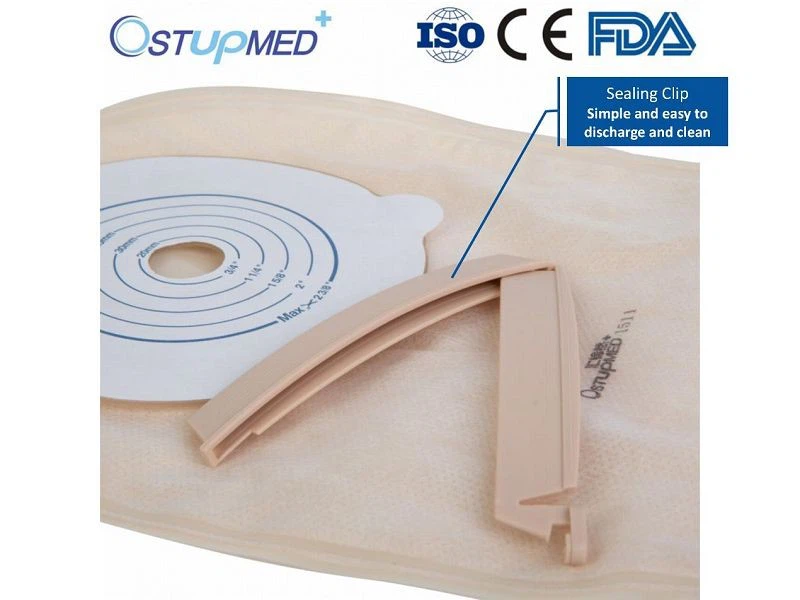
Next, measure your stoma. This is really important because a bag with an opening that's too big or too small can lead to leaks. You can use a stoma measuring guide that usually comes with the ostomy bag kit. Cut the hole in the flange of the new bag to match the size of your stoma. Make sure the cut is clean and precise.
Now, it's time to apply the new bag. Center the hole in the flange over your stoma and gently press the flange onto your skin. Start from the center and work your way out, smoothing out any air bubbles as you go. Make sure the flange is firmly attached all around the stoma to create a good seal.
After applying the bag, give it a little time to settle. You can press down on the flange for a few minutes to help the adhesive bond better with your skin. And that's it! You've successfully replaced your leaking ostomy bag.

But what if the leak keeps happening? Well, it might be a good idea to consult with a healthcare professional. A stoma nurse, for example, is an expert in ostomy care. They can examine your stoma and the way you're applying the bags, and give you personalized advice on how to prevent future leaks.
In some cases, you might need to adjust your diet. Certain foods can cause changes in the consistency of your stool, which can affect the performance of your ostomy bag. For example, high - fiber foods can make your stool more bulky, while foods high in fat can make it more oily. Experiment with different foods to see what works best for you.
Another tip is to make sure you're emptying your ostomy bag regularly. Don't let it get too full, as this can put pressure on the seal and increase the risk of leaks. A good rule of thumb is to empty the bag when it's about one - third to one - half full.
As a New Ostomy Bag supplier, I understand how important it is for you to have a reliable and comfortable ostomy bag. That's why we offer a wide range of high - quality products. If you're looking for a new ostomy bag or have any questions about our products, don't hesitate to get in touch. We're here to help you find the best solution for your needs. Whether you're a first - time user or have been living with an ostomy for a while, we've got the expertise and the products to support you.
In conclusion, dealing with a leaking ostomy bag can be a hassle, but with the right knowledge and products, you can manage it effectively. Remember to stay calm, take your time, and follow the steps I've outlined. And if you need any more advice or want to explore our range of ostomy bags, just reach out. We're always happy to assist you.
References:
- Ostomy Association of North America. Ostomy Care Guidelines.
- Wound, Ostomy and Continence Nurses Society (WOCNS). Best Practices in Ostomy Management.