

Hey there! As a supplier of two-piece ostomy bags, I've seen my fair share of issues that users face. One of the most common problems is the flange peeling off. It's a real pain in the you-know-what, and it can lead to leaks, skin irritation, and a whole lot of discomfort. But don't worry, I'm here to share some tips on how to prevent this from happening.
Understanding the Flange
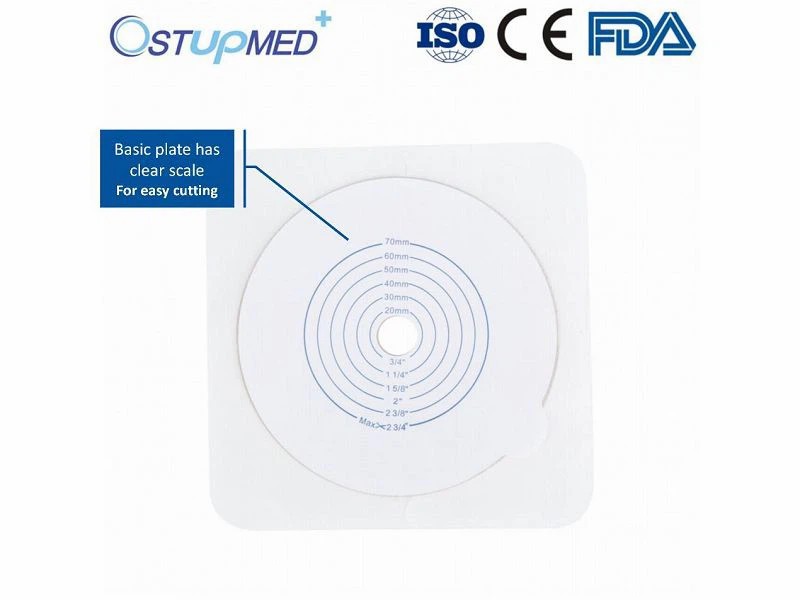
First things first, let's talk about what the flange is and why it's so important. The flange is the part of the ostomy bag that adheres to your skin. It creates a seal around the stoma, preventing waste from leaking out and protecting your skin from irritation. A good flange should be strong enough to stay in place but gentle enough not to damage your skin.
Choose the Right Flange
The first step in preventing flange peeling is to choose the right one for your needs. There are different types of flanges available, each with its own set of features. Some flanges are designed for people with sensitive skin, while others are more durable and long-lasting.
When selecting a flange, consider the following factors:
- Skin type: If you have sensitive skin, look for a flange that is made with a gentle adhesive. Some flanges are also hypoallergenic, which can help reduce the risk of skin irritation.
- Stoma shape and size: The flange should fit snugly around your stoma. Make sure to measure your stoma accurately and choose a flange that is the right size.
- Lifestyle: If you're an active person, you may need a more durable flange that can withstand movement. Some flanges are designed specifically for active individuals and offer extra security.
We offer a wide range of two-piece ostomy bags, including Disposable Urine Bags, Urostomy Bag, and 2 Piece System High Output Ostomy Pouch. Each of these products comes with different flange options to suit your specific needs.
Prepare Your Skin
Proper skin preparation is crucial for ensuring that the flange adheres properly. Here's how you can prepare your skin:
- Clean the area: Use a mild, fragrance-free soap and water to clean the skin around your stoma. Avoid using harsh chemicals or alcohol, as these can damage your skin and reduce the effectiveness of the adhesive.
- Dry the skin thoroughly: After cleaning, pat the skin dry with a soft towel. Make sure there is no moisture left on the skin, as this can prevent the flange from sticking.
- Use skin prep products: There are various skin prep products available that can help improve the adhesion of the flange. These products create a barrier between your skin and the adhesive, making it easier for the flange to stick and last longer.
Apply the Flange Correctly
Once you've prepared your skin, it's time to apply the flange. Here are some tips to ensure a proper application:
- Remove the backing: Carefully remove the backing from the flange, being careful not to touch the adhesive side.
- Center the flange: Place the flange over your stoma, making sure it is centered and covers the area completely.
- Press firmly: Press the flange firmly onto your skin, starting from the center and working your way outwards. Make sure there are no air bubbles or wrinkles in the flange.
- Seal the edges: Use your fingers to seal the edges of the flange, ensuring a tight fit. This will help prevent leaks and keep the flange in place.
Maintain a Good Seal
Even after applying the flange correctly, there are still some things you can do to maintain a good seal and prevent it from peeling off.
- Avoid moisture: Keep the area around your stoma dry. If you sweat a lot, use a moisture-wicking product or change your ostomy bag more frequently.
- Be careful with clothing: Wear loose-fitting clothing that won't rub against the flange. Tight clothing can cause the flange to peel off or become dislodged.
- Check the flange regularly: Check the flange throughout the day to make sure it is still in place. If you notice any signs of peeling or lifting, take action immediately.
Replace the Flange Regularly
Flanges have a limited lifespan, and it's important to replace them regularly to ensure a good seal. How often you need to replace the flange depends on several factors, such as your skin type, activity level, and the type of flange you are using. As a general rule, most flanges should be replaced every 3 to 7 days.

Seek Professional Help
If you're still having problems with the flange peeling off, don't hesitate to seek professional help. A healthcare provider or an ostomy nurse can offer personalized advice and guidance based on your specific situation. They can also help you troubleshoot any issues you may be having and recommend the best products for your needs.
In conclusion, preventing the flange from peeling off in a two-piece ostomy bag requires a combination of choosing the right flange, preparing your skin properly, applying the flange correctly, and maintaining a good seal. By following these tips, you can reduce the risk of leaks and skin irritation, and enjoy a more comfortable and confident life with your ostomy.
If you're interested in learning more about our two-piece ostomy bags or have any questions, feel free to reach out. We're here to help you find the best solution for your needs and ensure that you have a positive experience with our products. Let's start a conversation and see how we can work together to meet your ostomy care requirements.
References
- National Association for Continence. (n.d.). Ostomy Care Basics.
- Wound, Ostomy and Continence Nurses Society. (n.d.). Best Practices for Ostomy Care.