

When it comes to using an adult ostomy bag, one common issue that users often face is the sagging of the bag. As a trusted supplier of Adult Ostomy Bag, I understand the importance of providing practical solutions to this problem. In this blog, I will share some effective strategies to prevent the bag from sagging, ensuring a more comfortable and secure experience for ostomy patients.
Understanding the Causes of Bag Sagging
Before we delve into the prevention methods, it's essential to understand why the ostomy bag may sag. Several factors can contribute to this issue, including:
- Weight of the Content: As the ostomy bag fills with waste, the weight can cause it to sag. This is particularly common with larger volumes of output or when the bag is not emptied regularly.
- Poor Adhesion: If the ostomy bag does not adhere properly to the skin, it may shift or sag over time. This can be due to factors such as skin moisture, improper application, or low - quality adhesives.
- Movement and Activity: Normal body movements, such as bending, sitting, or walking, can put stress on the ostomy bag and cause it to sag. Additionally, physical activities like exercise can exacerbate this problem.
- Bag Design: Some ostomy bag designs may be more prone to sagging than others. For example, bags with a large capacity or a loose - fitting shape may not hold their position well.
Preventive Measures
Regular Emptying
One of the simplest and most effective ways to prevent bag sagging is to empty the ostomy bag regularly. By keeping the bag relatively empty, you can reduce the weight that causes it to sag. Here are some tips for regular emptying:
- Establish a Schedule: Based on your output volume, set a regular schedule for emptying the bag. For most people, this may mean emptying the bag when it is about one - third to half full.
- Carry Necessary Supplies: When you are out and about, make sure to carry extra supplies such as wipes and disposal bags to empty the ostomy bag conveniently.
Proper Application
Ensuring proper application of the ostomy bag is crucial for preventing sagging. Here are the steps for a correct application:

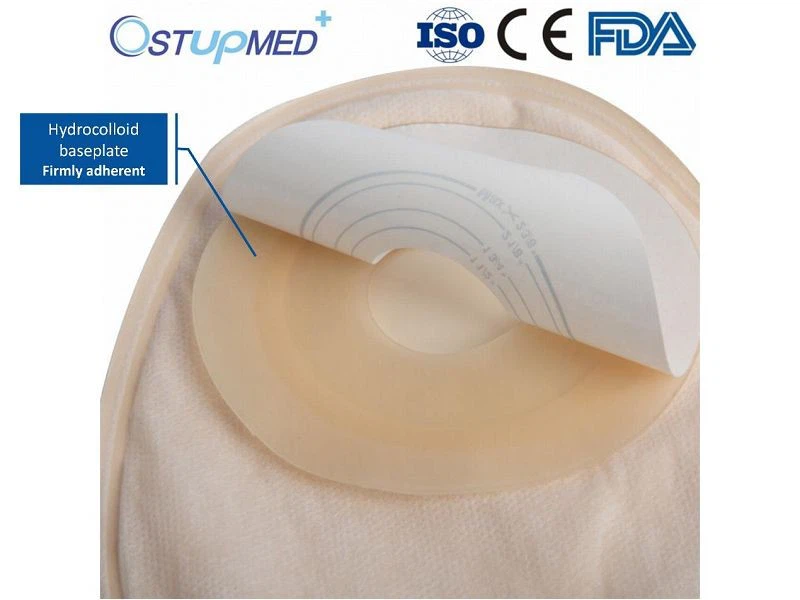
- Prepare the Skin: Clean and dry the skin around the stoma thoroughly. Use a mild, fragrance - free soap and water, and pat the skin dry with a soft towel. Avoid using lotions, oils, or powders on the skin as they can interfere with the adhesive.
- Measure and Cut the Wafer: Use a measuring guide to determine the correct size of the wafer opening. Cut the wafer carefully to fit snugly around the stoma without causing any pressure or irritation.
- Apply the Wafer: Remove the backing from the wafer and center it over the stoma. Press the wafer firmly onto the skin, starting from the center and working your way outwards to remove any air bubbles.
- Attach the Bag: Once the wafer is in place, attach the ostomy bag to the wafer according to the manufacturer's instructions. Make sure the connection is secure.
Use of Supportive Devices
There are several supportive devices available that can help prevent bag sagging:
- Ostomy Belts: An ostomy belt can provide additional support to the ostomy bag by holding it in place. It wraps around the waist and attaches to the bag, reducing the stress on the adhesive and preventing sagging.
- Pouches with Support Straps: Some ostomy bags come with built - in support straps. These straps can be adjusted to fit the body and help keep the bag in a proper position.
Choose the Right Bag
Selecting the right ostomy bag is essential for preventing sagging. Consider the following factors when choosing a bag:
- Size and Capacity: Choose a bag with an appropriate size and capacity for your output volume. A bag that is too large may be more prone to sagging, while a bag that is too small may need to be emptied too frequently.
- Design: Look for bags with a contoured shape that follows the body's curves. Bags with a molded design can provide better support and are less likely to sag.
- Quality: Opt for high - quality Disposable Ostomy Bag from a reputable manufacturer. Quality bags are more likely to have better adhesives and a more durable construction.
Lifestyle Modifications
Making some lifestyle modifications can also help prevent bag sagging:
- Avoid Tight Clothing: Tight clothing can put pressure on the ostomy bag and cause it to sag. Opt for loose - fitting, comfortable clothing that does not restrict movement.
- Modify Physical Activities: If you engage in physical activities, take extra precautions to prevent bag sagging. For example, you can wear an ostomy belt or a supportive garment during exercise.
Special Considerations for Temporary Colostomy Bags
If you are using a Temporary Colostomy Bag, there are some additional considerations:
- Monitor Healing: Since temporary colostomies are often related to a surgical recovery, it's important to monitor the healing process of the stoma and the surrounding skin. Any changes in the stoma or skin can affect the fit and performance of the bag.
- Follow Medical Advice: Your healthcare provider will provide specific instructions on how to care for your temporary colostomy. Follow these instructions carefully, including any recommendations for bag changes and emptying.
Conclusion
Preventing the sagging of an adult ostomy bag is essential for the comfort and well - being of ostomy patients. By following the preventive measures outlined above, such as regular emptying, proper application, use of supportive devices, choosing the right bag, and making lifestyle modifications, you can significantly reduce the risk of bag sagging.
As a supplier of high - quality adult ostomy bags, we are committed to providing products that meet the needs of our customers. If you are interested in learning more about our Adult Ostomy Bag or have any questions regarding ostomy care, please feel free to contact us for further information and to discuss your procurement needs.
References
- Ostomy Association of North America. (n.d.). Ostomy Care Guide.
- Manufacturer's instructions for various ostomy bags.
- Journal of Wound, Ostomy and Continence Nursing. Articles related to ostomy care and management.