

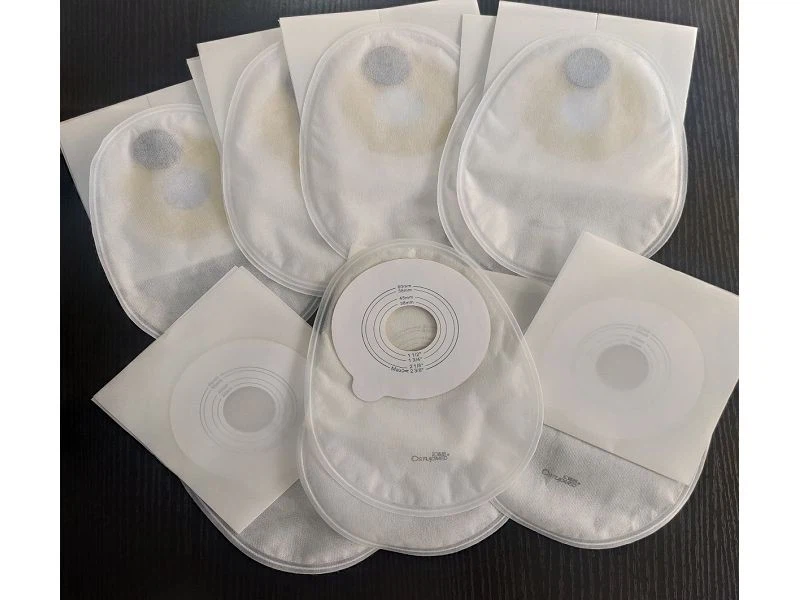
As a supplier of Opaque Ostomy Bags, I understand the importance of accurate measurement for ensuring the comfort and effectiveness of these essential medical products. In this blog post, I will share detailed steps on how to measure for an Opaque Ostomy Bag, providing you with the knowledge to make the right choice for your or your patients' needs.
Why Accurate Measurement Matters
Before delving into the measurement process, it's crucial to understand why accurate measurement is so important. An ill - fitting ostomy bag can lead to a variety of problems, including leakage, skin irritation, and discomfort. Leakage not only causes embarrassment but can also lead to skin breakdown due to the constant contact with feces or urine. On the other hand, a well - fitting bag provides a secure seal, protects the skin, and enhances the wearer's quality of life.
Gathering the Necessary Tools
To measure for an Opaque Ostomy Bag, you will need a few basic tools:
- Ostomy Measuring Guide: This is a specialized tool designed specifically for measuring the stoma. It usually has a series of pre - marked circles or templates in different sizes.
- Mirror: A small hand - held mirror can be very helpful, especially for those who have difficulty seeing their stoma directly.
- Pen or Marker: You'll need this to mark the correct size on the measuring guide.
Step - by - Step Measurement Process
Step 1: Prepare the Patient
Ensure the patient is in a comfortable and relaxed position. It's best to measure the stoma when the patient is sitting or lying down, as this can provide a more accurate measurement. Make sure the stoma area is clean and dry.
Step 2: Observe the Stoma
Use the mirror to get a clear view of the stoma. Note its shape, which can be round, oval, or irregular. Most stomas are round or oval, but some may have a more complex shape due to surgical techniques or individual anatomical differences.
Step 3: Use the Measuring Guide
Place the measuring guide over the stoma. If the stoma is round, select the circle on the guide that is just slightly larger than the stoma. The goal is to have a good fit without the bag putting too much pressure on the stoma. For oval stomas, measure the length and width separately and then find the appropriate oval template on the measuring guide.
Step 4: Mark the Size
Once you have found the correct size on the measuring guide, use the pen or marker to mark it clearly. This will help you remember the size when selecting the appropriate Opaque Ostomy Bag.
Step 5: Consider the Surrounding Skin
In addition to measuring the stoma itself, it's important to consider the condition of the surrounding skin. Look for any signs of irritation, rashes, or unevenness. If the skin is not flat, you may need to choose a bag with a more flexible baseplate to ensure a proper seal.
Different Types of Opaque Ostomy Bags and Their Fit
There are several types of Opaque Ostomy Bags available, each with its own fit requirements.
Disposable Ostomy Bag
Disposable Ostomy Bags are designed for single - use and are convenient for those who prefer a hassle - free option. These bags come in a variety of sizes, and it's important to choose the size that matches the stoma measurement. The baseplate of a disposable bag should fit snugly around the stoma to prevent leakage.
Drainable Ostomy Bag With Filter
Drainable Ostomy Bags With Filter are suitable for patients who need to empty the bag frequently. The filter allows gas to escape, reducing the risk of bag ballooning. When measuring for a drainable bag, make sure the opening is large enough to accommodate the stoma without causing any constriction.
Temporary Colostomy Bag
emporary Colostomy Bags are often used during the initial stages after colostomy surgery. These bags may need to be adjusted more frequently as the stoma heals and changes in size. It's important to measure the stoma regularly during this period to ensure a proper fit.
Factors That Can Affect Stoma Size
It's important to note that the size of the stoma can change over time. Several factors can affect stoma size, including:
- Swelling: Immediately after surgery, the stoma may be swollen. As the swelling subsides, the stoma size will decrease. It's important to measure the stoma regularly during the healing process.
- Body Position: The stoma may change shape and size depending on the patient's body position. For example, when standing up, the stoma may become slightly smaller due to the effect of gravity.
- Diet and Fluid Intake: Changes in diet and fluid intake can also affect the consistency and volume of the output, which may in turn affect the stoma size.
Re - measuring and Adjusting the Bag
It's recommended to re - measure the stoma every 1 - 2 weeks during the first few months after surgery and then every 3 - 6 months thereafter. If you notice any changes in the stoma size, shape, or the condition of the surrounding skin, it's important to adjust the bag size accordingly.
Conclusion
Measuring for an Opaque Ostomy Bag is a crucial step in ensuring the comfort and well - being of ostomy patients. By following the steps outlined in this blog post and considering the various factors that can affect stoma size, you can choose the right bag for your or your patients' needs. If you have any questions or need further assistance in selecting the appropriate Opaque Ostomy Bag, please feel free to contact us for a procurement discussion. We are committed to providing high - quality products and excellent customer service.

References
- Ostomy Association of America. (Year). Best Practices for Ostomy Care.
- Smith, J. (Year). Ostomy Management: A Comprehensive Guide.