

What kind of adhesive is used on transparent ostomy bags?
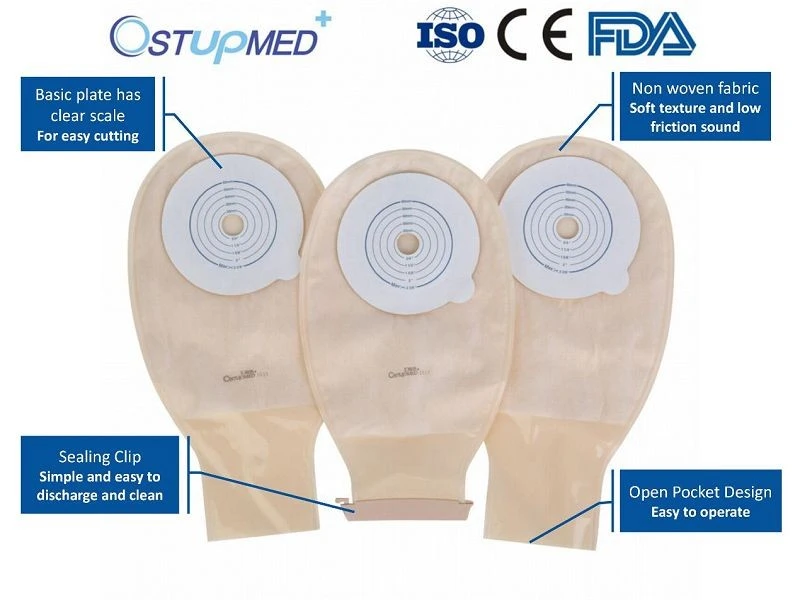
As a supplier of Transparent Ostomy Bags, I've received numerous inquiries regarding the types of adhesives used in these essential medical products. Understanding the adhesive is crucial as it directly impacts the comfort, reliability, and overall performance of the ostomy bag. In this blog, I'll delve into the various adhesives commonly used in transparent ostomy bags, their properties, and how they contribute to the user experience.
The Importance of Adhesive in Ostomy Bags
Ostomy bags are designed to collect waste from a stoma, which is an artificial opening in the abdomen. The adhesive plays a vital role in ensuring that the bag stays securely attached to the skin around the stoma. A proper adhesive seal prevents leakage, protects the skin from irritation, and provides the user with the confidence to go about their daily activities without worry.
Types of Adhesives Used in Transparent Ostomy Bags
Hydrocolloid Adhesives
Hydrocolloid adhesives are one of the most widely used types in ostomy bags. These adhesives are made up of a combination of hydrophilic particles (such as carboxymethylcellulose) dispersed in a hydrophobic polymer matrix. When the adhesive comes into contact with moisture from the skin or stoma output, the hydrophilic particles absorb the moisture and form a gel-like substance.
This gel provides several benefits. Firstly, it creates a soft, flexible seal that conforms to the contours of the body, ensuring a snug fit. Secondly, it helps to protect the skin by acting as a barrier against irritants in the stoma output. Additionally, the gel-like consistency can help to maintain a moist wound environment, which is beneficial for skin healing.
Hydrocolloid adhesives are known for their long wear time, typically lasting between 3 to 7 days. However, they may not be suitable for all skin types. Some users with sensitive skin may experience skin reactions, such as itching or redness, due to the adhesive or the gel formation.
Silicone Adhesives
Silicone adhesives have gained popularity in recent years due to their gentle nature on the skin. These adhesives are made from silicone polymers, which have a low surface energy. This property allows the adhesive to adhere to the skin without causing excessive trauma when removed.
Silicone adhesives are highly flexible and can stretch with the skin's movement, reducing the risk of the adhesive breaking or lifting. They also have good moisture management properties, allowing the skin to breathe while still maintaining a secure seal.

One of the main advantages of silicone adhesives is their ease of removal. They can be gently peeled off the skin without leaving behind residue or causing pain, which is particularly beneficial for users with sensitive skin. However, silicone adhesives may have a shorter wear time compared to hydrocolloid adhesives, typically lasting around 2 to 5 days.
Acrylic Adhesives
Acrylic adhesives are another option used in some transparent ostomy bags. These adhesives are known for their strong bonding properties and durability. They form a firm, long-lasting seal on the skin, making them suitable for users who require a more secure attachment.
Acrylic adhesives are resistant to moisture and chemicals, which helps to prevent the adhesive from breaking down due to exposure to stoma output. They also have good shear strength, meaning they can withstand the movement and friction of daily activities without lifting or peeling.
However, acrylic adhesives can be more rigid compared to hydrocolloid and silicone adhesives, which may cause discomfort for some users. They may also be more difficult to remove, especially if they have been in place for an extended period.
Factors to Consider When Choosing an Adhesive
When selecting an ostomy bag, it's important to consider the type of adhesive based on your individual needs and preferences. Here are some factors to keep in mind:
- Skin Sensitivity: If you have sensitive skin, a silicone adhesive may be the best choice as it is gentle and less likely to cause irritation. Hydrocolloid adhesives can also be suitable, but it's important to monitor your skin for any signs of reaction.
- Wear Time: Consider how long you need the ostomy bag to stay in place. Hydrocolloid adhesives generally offer a longer wear time, while silicone adhesives may need to be changed more frequently.
- Activity Level: If you are very active, a strong adhesive like an acrylic adhesive may be more suitable to ensure a secure attachment. However, if you have a more sedentary lifestyle, a softer, more flexible adhesive may be more comfortable.
- Stoma Output: The consistency and volume of your stoma output can also affect the choice of adhesive. If you have a high-output stoma, a more moisture-resistant adhesive may be necessary to prevent leakage.
Our Transparent Ostomy Bags
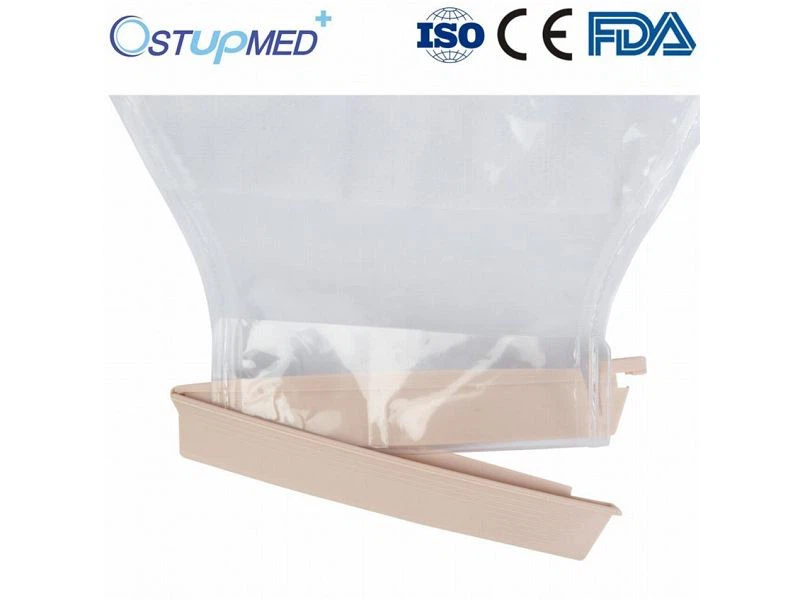
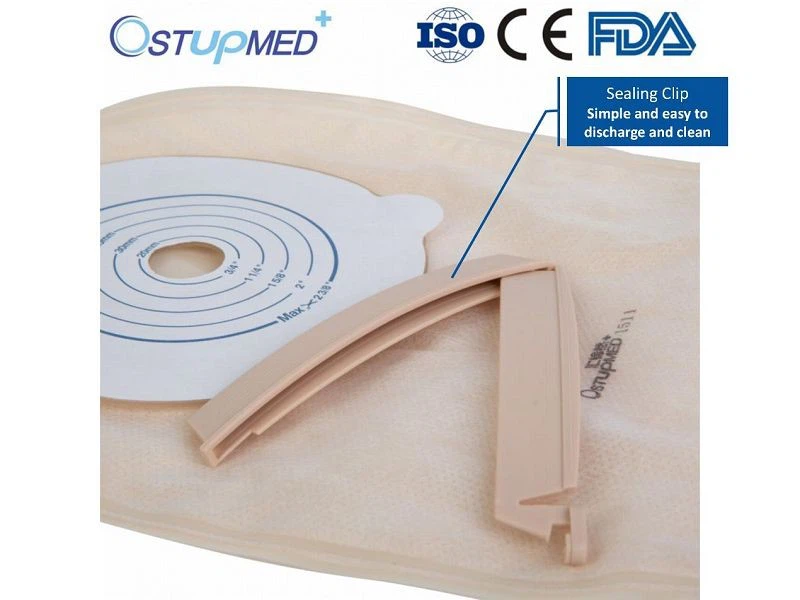
At our company, we offer a range of Transparent Ostomy Bags Transparent Ostomy Bag that use high-quality adhesives to ensure optimal performance and comfort. Our bags are designed with the user in mind, providing a clear view of the stoma and its output while maintaining a secure seal.
In addition to our standard transparent ostomy bags, we also offer specialized products such as Drainable Ostomy Bag With Filter and Pediatric Ostomy Bag. These products are tailored to meet the specific needs of different users, ensuring a more personalized and effective solution.
Conclusion
The adhesive used in transparent ostomy bags is a critical component that can significantly impact the user experience. By understanding the different types of adhesives available and considering your individual needs, you can choose an ostomy bag that provides a secure, comfortable, and reliable solution.
If you have any questions or would like to learn more about our Transparent Ostomy Bags, please don't hesitate to contact us. We are committed to providing the highest quality products and excellent customer service. Whether you are a healthcare professional or an individual in need of ostomy supplies, we are here to assist you in finding the right solution for your needs. Let's start a conversation and explore how our products can make a difference in your life.
References
- "Ostomy Wound Management." Journal of Wound, Ostomy and Continence Nursing.
- "Adhesive Technology in Medical Devices." Medical Device and Diagnostic Industry Magazine.