

Hey there! I'm a supplier of Permanent Colostomy Bags, and I've seen firsthand how important it is for folks with a permanent colostomy bag to manage their output. In this blog, I'm gonna share how diet plays a huge role in controlling that output.
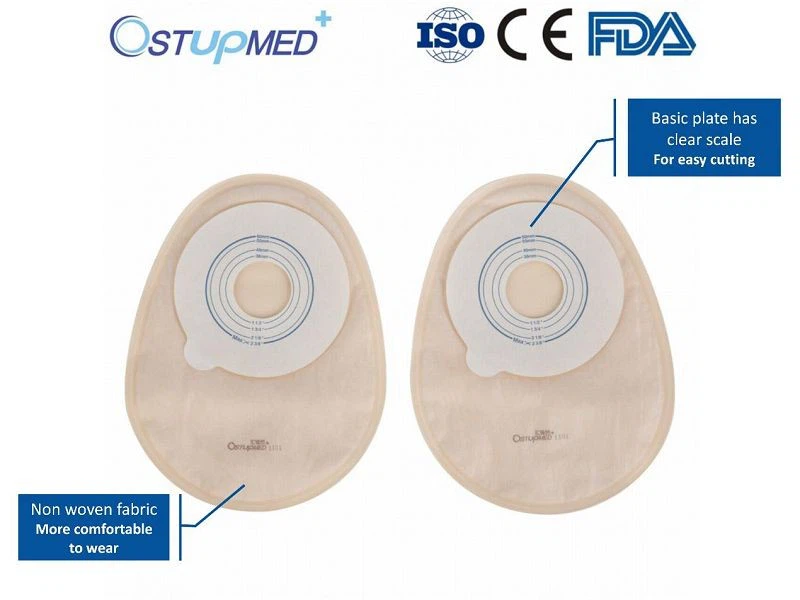
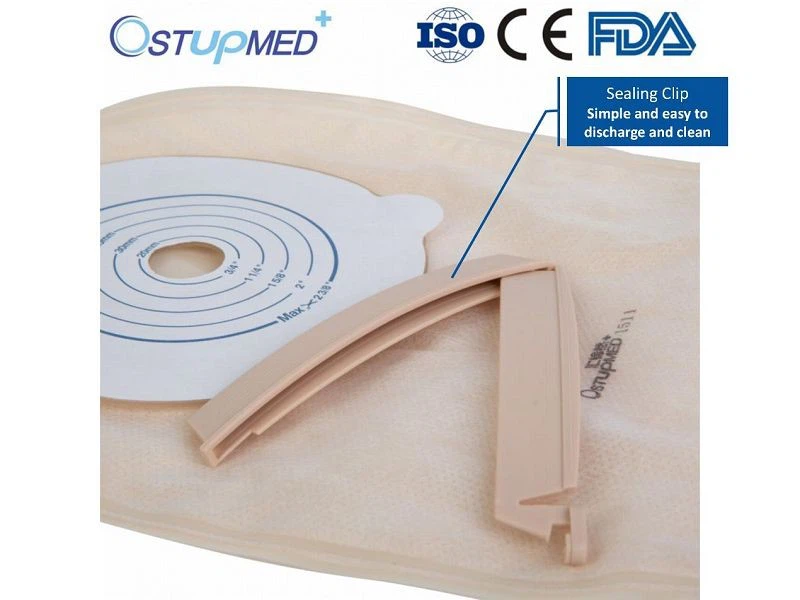
First off, let's understand what a colostomy is. It's a surgical procedure where a part of the colon is brought through the abdominal wall, creating an opening called a stoma. A colostomy bag is then attached to collect the waste that would normally pass through the rectum. The consistency and amount of output can vary a lot, and that's where diet steps in.
Foods That Can Help Control Output
High - Fiber Foods
Fiber is like a superhero when it comes to regulating bowel movements. Soluble fiber, in particular, can help thicken the stool. Foods like oats, apples (with the skin on), and beans are great sources of soluble fiber. When you eat these, they absorb water in the digestive tract, making the stool firmer and easier to manage in the colostomy bag. For example, starting your day with a bowl of oatmeal can set a good tone for the rest of the day in terms of output. You can check out Drainable Ostomy Bag With Filter to handle the waste more conveniently.
Low - Residue Foods
Low - residue foods are also important, especially if you're having issues with too much output. These foods are digested easily and leave less undigested material in the colon. Examples include white bread, pasta, and well - cooked vegetables. They can help reduce the bulk of the stool and make it more manageable. If you're on a low - residue diet, a Transparent Ostomy Bag can be useful as it allows you to easily monitor the output.
Probiotic Foods
Probiotics are good bacteria that live in your gut and can help keep your digestive system in balance. Yogurt, kefir, and sauerkraut are rich in probiotics. They can improve the overall health of your gut flora, which in turn can have a positive impact on the consistency of your output. When your gut is healthy, the output is more likely to be stable. And for storing this more stable output, a Drainable Ostomy Bag is a practical choice.
Foods to Avoid
Gas - Producing Foods
Some foods are known to produce a lot of gas in the digestive tract. Beans, broccoli, and carbonated drinks are common culprits. Gas can cause the colostomy bag to inflate, which can be uncomfortable and even lead to leaks. So, it's best to limit your intake of these foods. If you do eat them, make sure you're using a bag with good gas - venting capabilities, like the Drainable Ostomy Bag With Filter.
Spicy Foods
Spicy foods can irritate the digestive system and lead to loose stools or increased output. If you're someone who loves spicy food, you might need to cut back a bit. Everyone's tolerance is different, so you'll have to figure out what works for you. But generally, it's a good idea to be cautious with spicy dishes.
High - Fat Foods
High - fat foods can be hard to digest and may cause diarrhea or greasy stools. Fried foods, fatty meats, and full - fat dairy products fall into this category. Limiting your intake of these foods can help keep your output more under control.
Hydration
Don't forget about water! Staying hydrated is crucial for people with a colostomy. Water helps keep the stool at the right consistency. If you're dehydrated, the stool can become too hard, which can be difficult to pass through the stoma. On the other hand, if you drink too much water, it can make the stool too loose. Aim to drink about 8 glasses of water a day, but adjust according to your body's needs.
Keeping a Food Diary
One of the best ways to figure out how different foods affect your output is to keep a food diary. Write down what you eat and drink each day, along with how your colostomy output is. After a few weeks, you'll start to see patterns. Maybe you notice that every time you eat corn, your output is looser. Once you identify these patterns, you can make more informed decisions about your diet.
Working with a Dietitian
If you're really struggling to control your output through diet, it might be a good idea to work with a dietitian. A dietitian can create a personalized meal plan based on your specific needs and preferences. They can also provide you with more in - depth information about nutrition and how it relates to your colostomy.
Conclusion
In conclusion, diet plays a vital role in controlling the output with a permanent colostomy bag. By choosing the right foods, avoiding the wrong ones, staying hydrated, and keeping track of your diet, you can have better control over your output. And as a supplier of Permanent Colostomy Bags, I'm here to provide you with the best products to make your life easier. If you're interested in learning more about our products or have any questions about how to manage your colostomy, feel free to reach out for a procurement discussion.
References
- American Cancer Society. "Living with a Colostomy."
- National Institute of Diabetes and Digestive and Kidney Diseases. "Colostomy: How to Care for It."