

Skin colostomy bags are essential medical devices designed to collect waste from the digestive system when normal bowel function is disrupted. As a supplier of skin colostomy bags, I understand the importance of using high - quality materials to ensure the comfort, safety, and effectiveness of these products. In this blog, I will explore the various materials used in making skin colostomy bags.
1. Outer Layer Materials
The outer layer of a skin colostomy bag serves as a protective barrier against external factors and provides a certain degree of durability.
Polyethylene (PE)
Polyethylene is one of the most commonly used materials for the outer layer of colostomy bags. It is a lightweight, flexible, and waterproof plastic. PE has excellent chemical resistance, which means it can withstand contact with digestive waste and various chemicals without degrading. This property ensures that the bag remains intact during use and prevents any leakage.
PE is also relatively inexpensive, which helps in keeping the cost of the colostomy bags down. It can be easily processed into different shapes and sizes, allowing for the production of a wide range of colostomy bag designs. For example, it can be made into thin films that are transparent, enabling users to easily monitor the contents of the bag.
Polypropylene (PP)
Polypropylene is another popular choice for the outer layer. It is similar to polyethylene in many ways but has some distinct advantages. PP has a higher melting point than PE, which gives it better heat resistance. This is important during the manufacturing process, as it can withstand the heat involved in sealing the bag without deforming.
PP is also more rigid than PE, providing better structural support to the colostomy bag. It is less likely to wrinkle or fold during use, which can enhance the overall appearance and functionality of the bag. Additionally, polypropylene has good chemical stability and is resistant to most solvents, making it suitable for long - term use.
2. Adhesive Materials
The adhesive used in skin colostomy bags is crucial for ensuring a secure and comfortable fit on the skin.
Hydrocolloid Adhesives
Hydrocolloid adhesives are widely used in colostomy bags. These adhesives are made up of a mixture of hydrophilic polymers, such as carboxymethylcellulose, and a sticky matrix. When in contact with moisture, hydrocolloid adhesives absorb the moisture and form a gel - like substance.
This property allows them to conform to the contours of the skin, providing a tight seal that prevents leakage. The gel also helps to protect the skin from irritation caused by the waste in the colostomy bag. Hydrocolloid adhesives are gentle on the skin and can be removed without causing excessive pain or damage to the skin surface. They are also breathable, which means that air can pass through the adhesive, reducing the risk of skin maceration.
Silicone Adhesives
Silicone adhesives are gaining popularity in the colostomy bag industry. Silicone is a non - allergenic material that is known for its excellent biocompatibility. It adheres well to the skin and can be easily removed without leaving any residue.
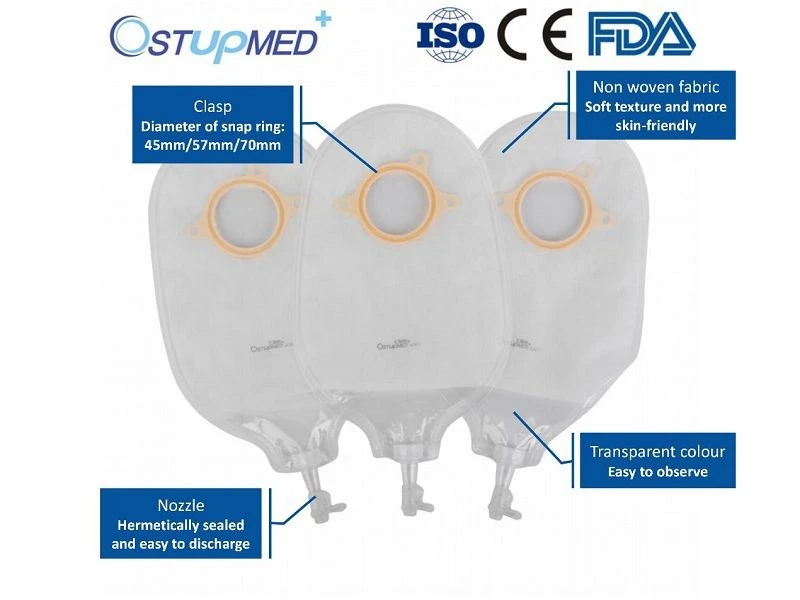

Silicone adhesives have a high degree of flexibility, which allows the colostomy bag to move with the body's natural movements without losing its adhesion. They are also resistant to moisture and chemicals, ensuring a long - lasting and reliable seal. Moreover, silicone adhesives are less likely to cause skin allergies compared to some other types of adhesives, making them a great option for users with sensitive skin.
3. Filter Materials
Many modern colostomy bags are equipped with filters to allow the release of gas from the bag. This helps to prevent the bag from ballooning up and causing discomfort.
Activated Carbon Filters
Activated carbon filters are commonly used in colostomy bags. Activated carbon has a large surface area with many tiny pores, which allows it to adsorb odorous gases. When gas passes through the activated carbon filter, the odorous molecules are trapped within the pores of the carbon, reducing the smell associated with the colostomy bag.
These filters are highly effective in removing a wide range of odors, including those produced by the breakdown of food in the digestive system. They are also relatively inexpensive and easy to incorporate into the design of the colostomy bag. However, the effectiveness of activated carbon filters may decrease over time, and they usually need to be replaced periodically.
Micro - porous Membrane Filters
Micro - porous membrane filters are another type of filter used in colostomy bags. These filters are made of a thin membrane with microscopic pores that allow gas to pass through while preventing the passage of liquid and solid waste.
Micro - porous membrane filters are more durable than activated carbon filters and do not require frequent replacement. They also provide a more consistent gas - release rate, ensuring that the bag does not become over - pressurized. Additionally, some micro - porous membrane filters are designed to be odor - reducing, further enhancing the user experience.
4. Inner Lining Materials
The inner lining of the colostomy bag comes into direct contact with the waste and needs to be resistant to corrosion and leakage.
Polyurethane (PU)
Polyurethane is often used as an inner lining material. It has excellent chemical resistance and can withstand the corrosive nature of digestive waste. PU is also a very flexible material, which allows the bag to expand as it fills with waste without bursting.
Polyurethane is available in different forms, including coatings and films. When used as a coating, it can provide a smooth surface inside the bag, making it easier for the waste to slide down and preventing it from sticking to the walls of the bag. As a film, it can act as an additional barrier to prevent leakage.
Nylon
Nylon is another option for the inner lining. It is a strong and durable material that has good abrasion resistance. Nylon can withstand the mechanical stress caused by the movement of waste inside the bag. It is also resistant to many chemicals, ensuring that it does not break down when in contact with digestive fluids.
Nylon can be made into thin, lightweight films that are both flexible and tough. This makes it suitable for use in colostomy bags, where a combination of strength and flexibility is required.
Our Product Offerings
As a skin colostomy bag supplier, we take pride in using the highest - quality materials in our products. Our Bowel Removal Colostomy Bag is designed with a strong polyethylene outer layer for durability and a hydrocolloid adhesive for a secure and comfortable fit. It also features an activated carbon filter to minimize odors.
We also offer Free Ostomy Bag options that are made with polypropylene outer layers and silicone adhesives for users with sensitive skin. These bags are carefully crafted to meet the diverse needs of our customers. If you are looking for a reliable source of high - quality ostomy bags, our Free Ostomy Bag Factory can provide you with the best products.
Conclusion
The materials used in making skin colostomy bags play a vital role in their performance, comfort, and safety. From the outer layer to the adhesive, filter, and inner lining, each component is carefully selected to ensure that the colostomy bag meets the highest standards. As a supplier, we are committed to using the best materials and advanced manufacturing techniques to produce colostomy bags that provide optimal functionality and user satisfaction.
If you are interested in our skin colostomy bags or have any questions about our products, please feel free to contact us for further discussion and potential procurement. We look forward to working with you to meet your colostomy bag needs.
References
- "Medical Plastics in Healthcare: Properties, Requirements, and Applications" by Andrew J. Giacomin.
- "Adhesives in Medical Applications" edited by Charles H. Byers.
- "Filtration Technology in Medical Devices" by John A. Howell.