

Hey there! I'm a supplier of medical colostomy bags, and today I wanna chat about the materials that go into making these essential medical devices. Colostomy bags are a lifesaver for many folks who've had certain medical procedures, and understanding what they're made of can help you make an informed choice.

The Basics of Colostomy Bags
First off, let's quickly go over what a colostomy bag is. It's a pouch that collects waste from the body when normal bowel function is disrupted, usually due to surgery. There are different types, like Two Piece Ostomy Bag Closed Type, Loop Colostomy Bag, and Two Piece System Drainable Ostomy Bag. But no matter the type, they all have a few key components made from specific materials.
The Pouch Material
The main part of the colostomy bag is the pouch itself. This is where all the waste is collected. Most pouches are made from a thin, flexible plastic material. Polyethylene is a common choice. It's lightweight, durable, and resistant to chemicals in the waste. This means it won't break down easily and can hold up to the acidic and enzymatic nature of feces.
Another advantage of polyethylene is that it's transparent. This allows the user or caregiver to easily monitor the color, consistency, and amount of waste in the bag. You don't have to open the bag to check, which is not only more convenient but also helps maintain hygiene.
Some pouches also have a layer of a different plastic, like polypropylene, on the outer side. Polypropylene is a bit stiffer and can provide additional strength and structure to the pouch. It also helps prevent the pouch from sticking to clothes or other surfaces.
The Adhesive Layer
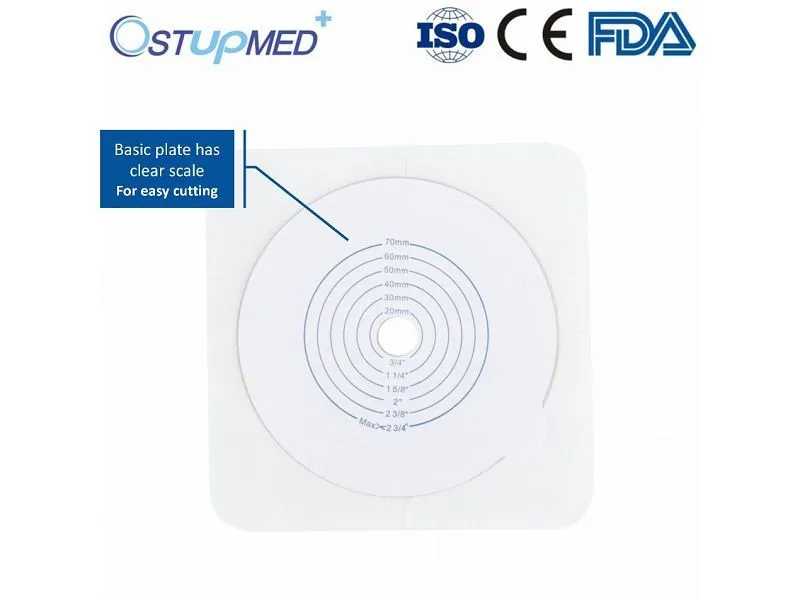
The colostomy bag needs to be securely attached to the skin around the stoma (the opening in the abdomen). That's where the adhesive layer comes in. This layer is usually made from a medical - grade adhesive.
Hydrocolloid adhesives are very popular. They're made up of a combination of hydrophilic polymers and a sticky matrix. The hydrophilic part of the polymer can absorb moisture from the skin, which is important because the stoma area can be quite moist. By absorbing this moisture, the adhesive forms a tight seal around the stoma, preventing leaks.
Hydrocolloid adhesives are also gentle on the skin. They're designed to minimize skin irritation, which is crucial since the skin around the stoma is already sensitive. They can adhere well to the skin for several days, but they can also be removed without causing too much pain or damage to the skin.
The Filter
Many colostomy bags come with a filter. This filter is made from a special material that allows gas to escape from the bag while preventing odor from leaking out.
Activated carbon is a common material used in these filters. Activated carbon has a large surface area with tiny pores. These pores can trap odor - causing molecules. When gas from the waste in the bag passes through the filter, the activated carbon adsorbs the smelly substances, leaving the air that escapes relatively odor - free.
The filter also has a hydrophobic membrane. This membrane allows gas to pass through but prevents liquids from escaping. This is important because you don't want any of the waste in the bag to leak out through the filter.
The Strap and Fastening Materials
Some colostomy bags use straps or other fastening mechanisms to keep the bag in place. Straps are often made from elastic materials like nylon or polyester with an elastic core. These materials are stretchy, so they can fit comfortably around the body and adjust to the user's movements.
The fasteners on the straps, such as buckles or hooks, are usually made from plastic or metal. Plastic fasteners are lightweight and corrosion - resistant, while metal fasteners can be more durable and provide a stronger hold.
The Barrier Film
In addition to the adhesive layer, there may be a barrier film between the pouch and the skin. This film is made from a material like silicone. Silicone is a great barrier because it's waterproof and can protect the skin from direct contact with the waste in the bag.
It also has a smooth surface, which reduces friction between the bag and the skin. This can help prevent skin abrasion and irritation. Silicone is also biocompatible, meaning it's not likely to cause an allergic reaction in most people.
Why Material Quality Matters
As a supplier, I can't stress enough how important the quality of these materials is. High - quality materials ensure the safety and comfort of the user. For example, if the pouch material is of poor quality, it could leak or break, which is not only embarrassing but also unhygienic.
Similarly, a low - quality adhesive may not form a good seal, leading to leaks and skin irritation. And a sub - standard filter may not be effective at controlling odor, which can be a major issue for the user's quality of life.
Contact Us for Your Colostomy Bag Needs
If you're in the market for medical colostomy bags, whether you're a healthcare provider, a distributor, or an individual user, I'd love to talk to you. We offer a wide range of colostomy bags made from the highest - quality materials. We understand the importance of these products in improving the lives of those who need them, and we're committed to providing the best solutions. So, don't hesitate to reach out for a chat about your specific requirements and how we can help.
References
- "Medical Textbook of Ostomy Care"
- Journals on Wound, Ostomy and Continence Nursing
- Manufacturer's specifications for colostomy bag materials