

Allergic reactions to a poop colostomy bag can be a distressing experience for patients. As a supplier of poop colostomy bags, I understand the importance of providing accurate information on how to treat such reactions. In this blog, I will share some insights and practical tips on managing allergic responses to colostomy bags.
Understanding Allergic Reactions to Colostomy Bags
An allergic reaction to a colostomy bag typically occurs when the skin comes into contact with materials in the bag or its accessories. Common allergens include adhesives, plastics, and rubber components. Symptoms of an allergic reaction may range from mild to severe and can include itching, redness, swelling, rash, blisters, and in severe cases, pain and difficulty breathing.
It is important to note that not all skin irritations around the stoma are due to allergies. Other factors such as poor fitting of the bag, improper skin care, or infections can also cause similar symptoms. Therefore, it is crucial to accurately diagnose the cause of the problem before initiating treatment.
Identifying the Allergen
The first step in treating an allergic reaction to a colostomy bag is to identify the allergen. This can be challenging as there are multiple components in a colostomy bag system. A good way to start is by reviewing the materials used in the bag and its accessories. Check the product labels for information on adhesives, plastics, and other ingredients. If possible, try switching to a different brand or type of colostomy bag that uses hypoallergenic materials.
In some cases, a patch test may be necessary to determine the specific allergen. A patch test involves applying small amounts of potential allergens to the skin and monitoring for a reaction over a period of time. This test should be performed under the supervision of a healthcare professional.
Treating Mild Allergic Reactions
For mild allergic reactions, the following steps can be taken to relieve symptoms:
- Remove the colostomy bag: As soon as you notice signs of an allergic reaction, remove the colostomy bag carefully to avoid further irritation. Gently clean the skin around the stoma with a mild, fragrance-free soap and warm water. Pat the skin dry with a soft towel.
- Apply a barrier cream: A barrier cream can help protect the skin from further contact with the allergen and reduce irritation. Look for a cream that is specifically designed for use around the stoma. Apply a thin layer of the cream to the clean, dry skin around the stoma.
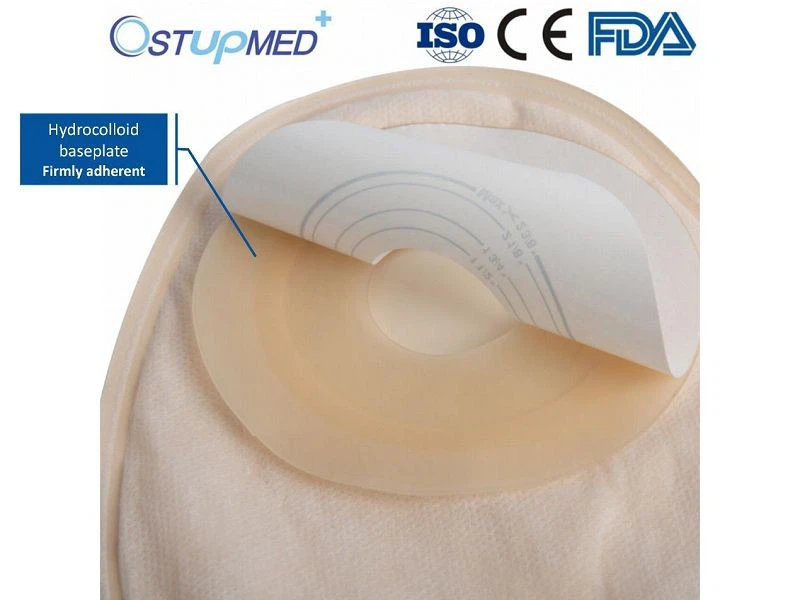
- Use a hydrocolloid dressing: Hydrocolloid dressings can provide a moist environment for the skin to heal and protect it from friction. Cut the dressing to fit around the stoma and apply it gently. Change the dressing according to the manufacturer's instructions.
- Avoid scratching: Scratching the irritated skin can cause further damage and increase the risk of infection. Try to keep your hands away from the affected area. If the itching is severe, you can try applying a cold compress to the skin to relieve the discomfort.
Seeking Medical Attention
If the allergic reaction is severe or does not improve with home treatment, it is important to seek medical attention immediately. Symptoms of a severe allergic reaction may include difficulty breathing, swelling of the face, lips, or tongue, and dizziness. These symptoms can be life-threatening and require prompt medical intervention.
A healthcare professional may prescribe medications such as antihistamines or corticosteroids to relieve the symptoms of the allergic reaction. In some cases, a referral to a dermatologist or an allergist may be necessary for further evaluation and treatment.
Preventing Allergic Reactions
Preventing allergic reactions to colostomy bags is always better than treating them. Here are some tips to help reduce the risk of allergic reactions:
- Choose the right colostomy bag: Select a colostomy bag that is made from hypoallergenic materials and is designed to fit your body properly. Consider consulting with a healthcare professional or an ostomy nurse for advice on choosing the right product.
- Practice good skin care: Keep the skin around the stoma clean and dry. Use a mild, fragrance-free soap and warm water to clean the skin, and pat it dry gently. Avoid using harsh chemicals or abrasive materials on the skin.
- Change the colostomy bag regularly: Follow the manufacturer's instructions on how often to change the colostomy bag. Regular changes can help prevent the buildup of bacteria and reduce the risk of skin irritation.
- Monitor your skin: Check the skin around the stoma regularly for any signs of irritation or allergic reaction. If you notice any changes, take action immediately.
Our Product Offerings
As a supplier of poop colostomy bags, we offer a wide range of products to meet the needs of our customers. Our Urostomy Bag is designed specifically for urostomy patients and is made from high-quality, hypoallergenic materials. Our Large Colostomy Bags provide extra capacity for patients with larger stomas, and our Female Colostomy Bag is designed to fit the unique body shape of female patients.
We are committed to providing our customers with the best products and services. If you have any questions or need assistance in choosing the right colostomy bag, please do not hesitate to contact us. We are here to help you manage your ostomy care effectively and comfortably.
Conclusion
Allergic reactions to poop colostomy bags can be a challenging issue for patients, but with the right knowledge and treatment, they can be effectively managed. By identifying the allergen, treating mild reactions promptly, seeking medical attention when necessary, and taking preventive measures, patients can reduce the risk of allergic reactions and improve their quality of life.
If you are interested in learning more about our colostomy bag products or have any questions about ostomy care, please feel free to reach out to us. We look forward to the opportunity to discuss your needs and explore potential partnerships.

References
- National Institute of Allergy and Infectious Diseases. (2023). Allergic Reactions. Retrieved from [Website URL]
- Wound, Ostomy and Continence Nurses Society. (2023). Best Practices for Ostomy Care. Retrieved from [Website URL]
- American Academy of Dermatology. (2023). Skin Care Tips. Retrieved from [Website URL]