

Leakage from a disposable ostomy bag can be a distressing and inconvenient issue for ostomy patients. As a supplier of high - quality disposable ostomy bags, I understand the importance of addressing this problem. In this blog, I'll share some effective strategies to prevent the disposable ostomy bag from leaking.
Choose the Right Ostomy Bag
Selecting the appropriate ostomy bag is the first and most crucial step in preventing leakage. Different patients have different needs based on their stoma type, output consistency, and lifestyle.
For those who prefer visibility of the stoma and output, a Transparent Ostomy Bag is a great option. It allows patients and caregivers to monitor the stoma's condition easily. Transparent bags are also beneficial in the initial stages after ostomy surgery when close observation is necessary.
If a patient is looking for a long - term solution with reliable performance, the New Ostomy Bag might be the right choice. This bag is designed with advanced materials and technology to ensure a better fit and longer - lasting wear.
In cases where the ostomy is temporary, such as after certain surgical procedures, a Temporary Colostomy Bag can be used. These bags are cost - effective and can meet the short - term needs of patients.
Ensure a Proper Fit
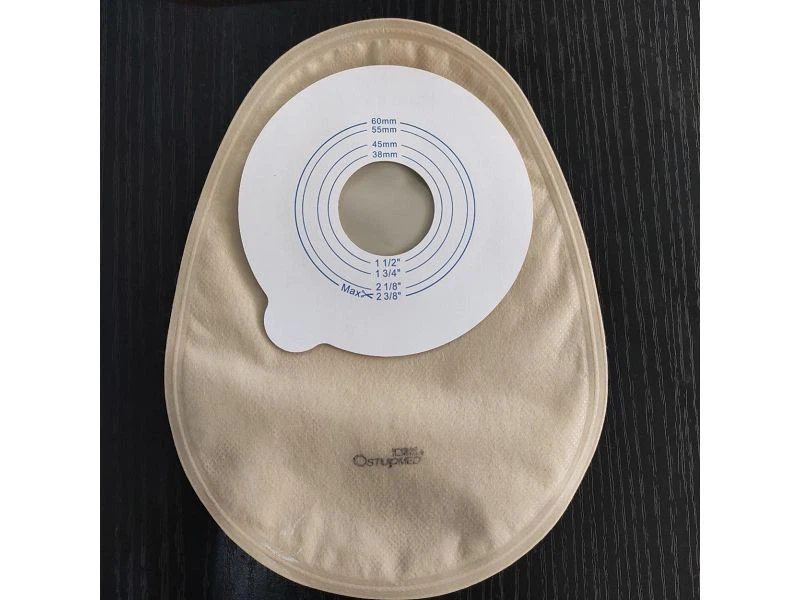
A proper fit of the ostomy bag is essential to prevent leakage. The skin barrier of the ostomy bag should match the size and shape of the stoma accurately.
- Measure the Stoma: Use a stoma measuring guide to determine the correct size of the stoma. This measurement should be taken regularly, especially in the first few weeks after surgery when the stoma may change in size.
- Cut the Skin Barrier Correctly: If the ostomy bag requires cutting the skin barrier, use sharp scissors and follow the measured size precisely. The opening in the skin barrier should be about 1/8 inch larger than the stoma to avoid irritation while still providing a tight seal.
- Check for Gaps: When applying the ostomy bag, make sure there are no gaps between the skin barrier and the skin. Smooth out any wrinkles or folds in the skin barrier to ensure a continuous seal around the stoma.
Prepare the Skin
Proper skin preparation is vital for a good seal and to prevent leakage.
- Clean the Skin: Clean the skin around the stoma with warm water and mild, fragrance - free soap. Avoid using harsh chemicals or alcohol - based products as they can dry out the skin and damage its natural protective barrier.
- Dry the Skin: Thoroughly dry the skin around the stoma before applying the ostomy bag. Moisture can prevent the skin barrier from adhering properly and lead to leakage. You can use a soft, clean towel or let the skin air - dry.
- Use Skin Protectants: Skin protectants, such as skin wipes or sprays, can be applied to the skin around the stoma. These products create a protective layer that helps the skin barrier adhere better and can also prevent skin irritation.
Empty the Bag Regularly
Overfilling the ostomy bag is a common cause of leakage.
- Set a Schedule: Establish a regular schedule for emptying the ostomy bag. This can vary depending on the type of ostomy and the amount of output, but a general guideline is to empty the bag when it is about one - third to one - half full.
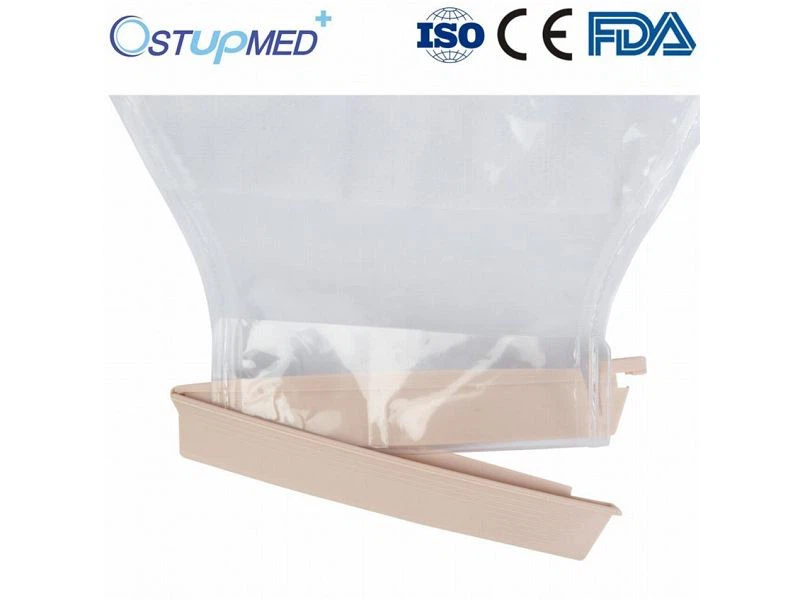
- Empty Properly: When emptying the bag, hold the bottom of the bag over a toilet or other suitable container. Open the drainage port slowly and allow the contents to drain out. After emptying, clean the drainage port with warm water and dry it before closing.
Manage Output Consistency
The consistency of the ostomy output can affect the risk of leakage.
- Dietary Adjustments: Work with a dietitian to make appropriate dietary adjustments. For example, if the output is too loose, increasing the intake of foods high in fiber, such as whole grains, fruits, and vegetables, may help thicken the output. On the other hand, if the output is too thick, drinking more fluids and eating foods with a higher water content can be beneficial.
- Medication Management: In some cases, medications may be prescribed to manage the consistency of the output. For example, antidiarrheal medications can be used to thicken loose stools. It's important to follow the doctor's instructions when taking these medications.
Store the Bags Properly
Proper storage of disposable ostomy bags is often overlooked but can affect their performance.
- Keep in a Cool, Dry Place: Store the ostomy bags in a cool, dry place away from direct sunlight and heat. High temperatures and humidity can damage the materials of the bag and the adhesive of the skin barrier, leading to a poor seal and increased risk of leakage.
- Check Expiration Dates: Always check the expiration date of the ostomy bags before using them. Expired bags may not perform as well and can be more prone to leakage.
Address Skin Issues Promptly
Skin problems around the stoma can compromise the seal of the ostomy bag and lead to leakage.
- Monitor the Skin: Regularly check the skin around the stoma for any signs of irritation, redness, rash, or breakdown. If any issues are detected, take appropriate action immediately.
- Seek Medical Advice: If skin problems persist or worsen, consult a healthcare professional, such as an ostomy nurse. They can provide advice on how to treat the skin condition and may recommend different products or techniques to prevent further problems.
Train the Patient or Caregiver
Proper training is essential for the successful use of ostomy bags and to prevent leakage.
- Provide Instruction: As a supplier, we offer comprehensive training to patients and caregivers on how to choose, apply, and maintain ostomy bags. This includes demonstrations on measuring the stoma, cutting the skin barrier, and emptying the bag.
- Answer Questions: Encourage patients and caregivers to ask questions and address any concerns they may have. Our team of experts is always available to provide support and guidance.
In conclusion, preventing the disposable ostomy bag from leaking requires a combination of choosing the right bag, ensuring a proper fit, preparing the skin, emptying the bag regularly, managing output consistency, storing the bags properly, addressing skin issues promptly, and providing adequate training. By following these strategies, patients can enjoy a more comfortable and worry - free ostomy experience.
If you are interested in our high - quality disposable ostomy bags or have any questions about preventing leakage, please feel free to contact us for a purchase consultation. We are committed to providing the best products and services to meet your needs.
References
- Ostomy Association of America. (Year). Best practices for ostomy care.
- Smith, J. (Year). Management of ostomy complications. Journal of Wound, Ostomy and Continence Nursing.
- Johnson, A. (Year). Skin care around the stoma. Ostomy & Wound Management Journal.