

Hey there! As a supplier of urine drainage bags, I've seen firsthand the importance of preventing leakage from these essential medical devices. A leaking urine drainage bag can not only be messy and uncomfortable for the patient but also pose a risk of infection. In this blog post, I'm going to share some tips and tricks on how to prevent leakage from a urine drainage bag.
Choose the Right Urine Drainage Bag
The first step in preventing leakage is to choose the right urine drainage bag for the patient's needs. There are several factors to consider when selecting a urine drainage bag, including the patient's age, mobility, and medical condition.
- Size: The size of the urine drainage bag is an important consideration. A bag that is too small may need to be emptied frequently, increasing the risk of leakage. On the other hand, a bag that is too large may be cumbersome and difficult to manage.
- Type: There are two main types of urine drainage bags: leg bags and bedside bags. Leg bags are designed to be worn on the leg and are suitable for patients who are mobile. Bedside bags are larger and are typically used when the patient is in bed.
- Material: Urine drainage bags are made from a variety of materials, including plastic and silicone. Plastic bags are lightweight and inexpensive, but they may be more prone to leakage. Silicone bags are more durable and less likely to leak, but they are also more expensive.
Properly Attach the Urine Drainage Bag
Once you have chosen the right urine drainage bag, it's important to properly attach it to the patient's catheter. A loose or improperly attached bag can increase the risk of leakage.
- Clean the Area: Before attaching the urine drainage bag, make sure the area around the catheter is clean and dry. This will help prevent infection and ensure a secure attachment.
- Follow the Instructions: Each urine drainage bag comes with instructions on how to attach it to the catheter. Make sure you follow these instructions carefully to ensure a proper fit.
- Check the Connection: After attaching the urine drainage bag, check the connection to make sure it is secure. Gently tug on the bag to make sure it doesn't come loose.
Empty the Urine Drainage Bag Regularly
Emptying the urine drainage bag regularly is essential to prevent leakage. A full bag is more likely to leak, especially if it is jostled or moved.
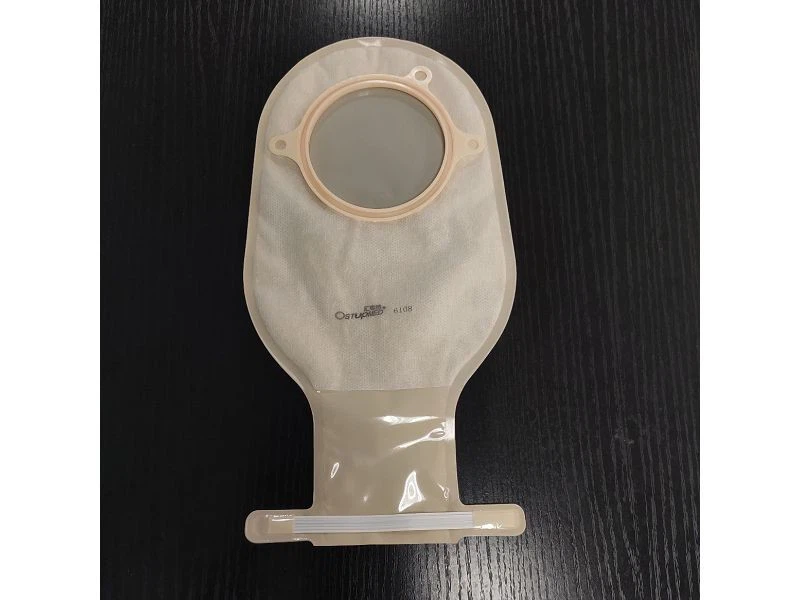

- Follow the Schedule: Most healthcare providers recommend emptying the urine drainage bag every 4 to 6 hours, or when it is about two-thirds full. Make sure you follow this schedule to prevent the bag from becoming too full.
- Use the Right Technique: When emptying the urine drainage bag, make sure you use the right technique. Hold the bag over a toilet or other container and open the drainage valve slowly. Allow the urine to drain completely before closing the valve.
- Clean the Bag: After emptying the urine drainage bag, make sure you clean it thoroughly. Use warm, soapy water to clean the inside and outside of the bag, and then rinse it well. Allow the bag to dry completely before reattaching it to the catheter.
Check for Leaks Regularly
Even if you follow all of the above tips, it's still important to check for leaks regularly. A small leak can quickly turn into a big problem if it is not detected and fixed promptly.
- Inspect the Bag: Check the urine drainage bag for any signs of leakage, such as wet spots or drips. If you notice a leak, stop using the bag immediately and replace it with a new one.
- Check the Connection: Make sure the connection between the urine drainage bag and the catheter is secure. If the connection is loose, tighten it or replace the bag.
- Monitor the Patient: Pay attention to the patient's comfort level and any signs of leakage. If the patient complains of discomfort or if you notice any wetness around the catheter, check the urine drainage bag for leaks.
Additional Tips for Preventing Leakage
In addition to the above tips, there are a few other things you can do to prevent leakage from a urine drainage bag.
- Use a Leak-Proof Bag: Some urine drainage bags are designed to be leak-proof. These bags have special features, such as a double-seal or a leak-proof valve, that help prevent leakage. Consider using a leak-proof bag if you are concerned about leakage.
- Avoid Overfilling the Bag: Make sure you do not overfill the urine drainage bag. A full bag is more likely to leak, especially if it is jostled or moved.
- Keep the Bag Elevated: When the patient is lying down, make sure the urine drainage bag is elevated above the level of the bladder. This will help prevent urine from flowing back into the bladder and causing leakage.
- Use a Protective Cover: Consider using a protective cover for the urine drainage bag. A protective cover can help prevent the bag from getting damaged and can also provide an extra layer of protection against leakage.
Conclusion
Preventing leakage from a urine drainage bag is essential to ensure the comfort and safety of the patient. By following the tips and tricks outlined in this blog post, you can help prevent leakage and ensure that the urine drainage bag works properly. If you have any questions or concerns about urine drainage bags, please don't hesitate to contact us. We're here to help!
If you're interested in purchasing urine drainage bags or other medical supplies, such as Urostomy Bag, Medical Colostomy Bag, or urostomy drainage bag, please feel free to contact us for more information. We offer a wide range of high-quality medical supplies at competitive prices.
References
- Smith, J. (2020). Urinary Catheterization: A Guide for Healthcare Providers. New York: ABC Publishing.
- Johnson, M. (2019). Preventing Urinary Tract Infections in Patients with Urinary Catheters. Journal of Nursing Practice, 15(2), 78-82.
- Brown, S. (2018). The Importance of Proper Urine Drainage Bag Management. Nursing Times, 114(12), 34-37.