

Selecting the right pediatric ostomy bag for a child with a small stoma is a crucial decision that can significantly impact the child's comfort, health, and quality of life. As a dedicated Pediatric Ostomy Bag supplier, I understand the unique challenges and considerations involved in this process. In this blog, I'll share some essential tips and factors to help you make an informed choice.
Understanding the Basics of a Small Stoma in Children
Before delving into the selection of an ostomy bag, it's important to understand what a small stoma is and why it requires special attention. A stoma is an artificial opening created on the abdomen to allow waste to pass out of the body when the normal digestive or urinary system is not functioning properly. In children, small stomas can occur due to various reasons, such as congenital abnormalities, surgical procedures, or medical conditions.
Small stomas have different characteristics compared to larger ones. They may be more delicate, prone to irritation, and require a more precise fit to prevent leakage. The output from a small stoma can also vary in consistency and volume, which affects the choice of ostomy bag.
Factors to Consider When Choosing a Pediatric Ostomy Bag
Size and Fit
The most critical factor when choosing an ostomy bag for a child with a small stoma is the size and fit. A poorly fitting bag can lead to leakage, skin irritation, and discomfort. The stoma size should be accurately measured, and the bag should be selected accordingly. Most pediatric ostomy bags come in different sizes to accommodate various stoma dimensions.
It's also important to consider the shape of the stoma. Some stomas may be round, while others may be oval or irregular. The bag should be able to conform to the shape of the stoma to ensure a proper seal. Additionally, the bag should fit comfortably on the child's abdomen without causing any pressure points or restrictions.
Type of Ostomy Bag
There are two main types of ostomy bags: Permanent Colostomy Bag and Disposable Ostomy Bag. Permanent colostomy bags are designed for long - term use and are usually more durable. They can be emptied and reused after cleaning. Disposable ostomy bags, on the other hand, are meant to be used once and then discarded. They are more convenient in terms of maintenance but may be more expensive in the long run.
For a child with a small stoma, disposable ostomy bags may be a better option initially. They are often more flexible and can be easily adjusted to fit the small stoma. However, if the child's condition is stable and the family is looking for a more cost - effective solution, a permanent colostomy bag may be considered.
Material and Comfort
The material of the ostomy bag is another important consideration. The bag should be made of a soft, hypoallergenic material that is gentle on the child's sensitive skin. It should also be breathable to prevent moisture buildup, which can lead to skin problems.
Comfort is crucial for a child, especially when they are active. The bag should not restrict their movement or cause any discomfort during physical activities such as playing, running, or sleeping. Some ostomy bags come with features like a flexible waistband or a contoured design to enhance comfort.
Output Management
The consistency and volume of the stoma output play a significant role in choosing the right ostomy bag. If the output is mostly liquid, a bag with a drainable bottom may be more suitable. This allows for easy emptying without having to change the entire bag frequently. For more solid output, a closed - end bag may be sufficient.
It's also important to consider the frequency of output. If the child has a high - volume output, a larger capacity bag may be needed to prevent leakage.
Adhesive and Seal
A good adhesive is essential for keeping the ostomy bag in place and preventing leakage. The adhesive should be strong enough to hold the bag securely but gentle enough not to damage the child's skin when removed. Some ostomy bags come with a skin - friendly adhesive that can be easily removed without causing irritation.
The seal between the bag and the skin is also crucial. A proper seal ensures that there is no leakage of waste around the stoma. Some bags have a special seal design, such as a flange or a barrier, to enhance the seal.

Special Considerations for Pediatric Use
Growth and Development
Children are constantly growing and developing, which means that their stoma size and body shape may change over time. When choosing a pediatric ostomy bag, it's important to consider the child's growth rate. Some bags are designed to be adjustable, which can be a great advantage as the child grows.
Activity Level
Children are generally more active than adults, and their ostomy bags need to be able to withstand their physical activities. The bag should be securely attached to the body and not come loose during movement. Some bags are specifically designed for active children, with features like reinforced seams and a snug fit.
Emotional and Psychological Well - being
Having an ostomy can be a challenging experience for a child, both physically and emotionally. The appearance of the ostomy bag can have an impact on the child's self - esteem and confidence. When choosing a bag, it's important to consider options that are discreet and can be easily hidden under clothing. Some bags are designed to be low - profile and less noticeable, which can help the child feel more comfortable in social situations.
Our Pediatric Ostomy Bag Solutions
As a Pediatric Ostomy Bag supplier, we offer a wide range of Pediatric Ostomy Bag options to meet the diverse needs of children with small stomas. Our bags are made from high - quality, hypoallergenic materials that are gentle on the child's skin. They are available in different sizes and shapes to ensure a perfect fit.
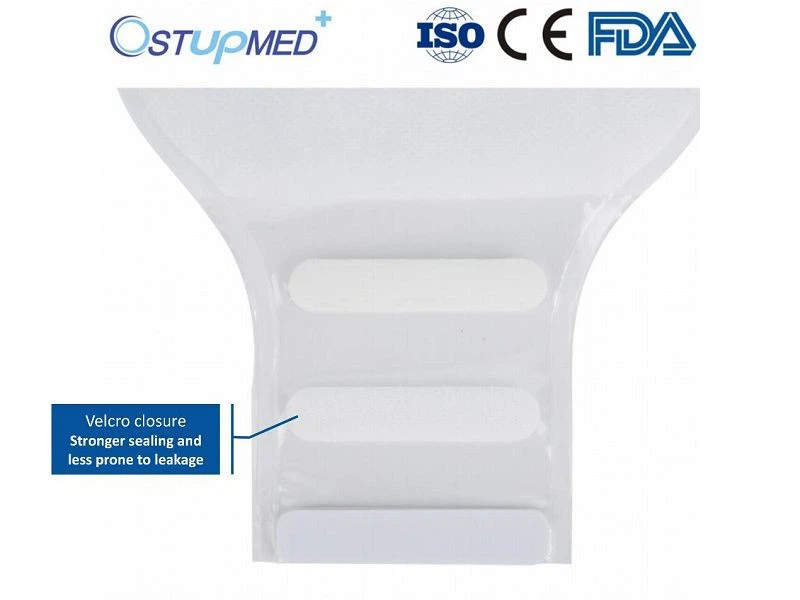
We understand the importance of comfort and convenience for children, and our bags are designed with features such as flexible waistbands, contoured shapes, and easy - to - use closures. Whether you need a disposable bag for short - term use or a permanent bag for long - term management, we have the right solution for you.
Making the Right Choice
Choosing the right pediatric ostomy bag for a child with a small stoma is a process that requires careful consideration of multiple factors. It's important to work closely with a healthcare professional, such as an ostomy nurse or a pediatric surgeon, to ensure that the bag meets the child's specific needs.
We are here to support you every step of the way. If you have any questions or need further information about our Pediatric Ostomy Bags, please don't hesitate to contact us. We are committed to providing high - quality products and excellent customer service to help improve the lives of children with ostomies.
Conclusion
Selecting the appropriate pediatric ostomy bag for a child with a small stoma is a complex but essential task. By considering factors such as size and fit, type of bag, material, output management, and special pediatric considerations, you can make an informed decision that will enhance the child's comfort, health, and quality of life. As a Pediatric Ostomy Bag supplier, we are dedicated to providing the best solutions for your needs. If you are interested in learning more about our products or discussing your specific requirements, please reach out to us for a procurement discussion.
References
- Colwell JC, Goldberg M, Krasner D, et al. Wound, Ostomy and Continence Nurses Society (WOCNS) clinical practice guideline: management of the pediatric patient with an ostomy. J Wound Ostomy Continence Nurs. 2016;43(4):349 - 364.
- Thomas DR. Ostomy care in the elderly. Clin Geriatr Med. 2003;19(1):147 - 160.
- Webster J, Jones K, Hennessey I. Children's experiences of living with an ostomy: a qualitative study. J Pediatr Nurs. 2012;27(6):623 - 631.