

A hernia is a condition where an organ or fatty tissue squeezes through a weak spot in a surrounding muscle or connective tissue. When it comes to individuals using a urostomy bag, a hernia can have several significant impacts on the use and management of the bag. As a urostomy bag supplier, understanding these effects is crucial for providing the best products and support to our customers.
Physical Impact on the Stoma and Urostomy Bag Placement
One of the primary ways a hernia affects the use of a urostomy bag is through its impact on the stoma. A hernia near the stoma can cause the stoma to protrude or shift out of its normal position. This change in stoma location and shape can make it extremely challenging to apply the urostomy bag properly. The bag is designed to fit snugly around the stoma to prevent leaks, but a displaced stoma due to a hernia may result in gaps between the bag and the skin. These gaps can lead to urine leakage, which not only causes discomfort for the user but also increases the risk of skin irritation and infection.
For example, if a hernia causes the stoma to bulge to one side, the adhesive flange of the urostomy bag may not adhere evenly to the skin. This uneven adhesion can allow urine to seep under the flange, leading to skin breakdown over time. In some cases, the hernia may even push against the urostomy bag, causing it to become distorted and reducing its effectiveness in containing urine.
Increased Pressure and Bag Leakage
A hernia can also increase the pressure within the abdominal cavity. This increased pressure can force urine out of the stoma more rapidly and with greater force. As a result, the urostomy bag may fill up more quickly than usual, increasing the risk of leakage. The pressure can also cause the bag to expand and put additional stress on the adhesive seal between the bag and the skin.

In addition, the increased pressure can make it difficult for the user to empty the urostomy bag properly. If the bag is not emptied regularly, the pressure can build up inside the bag, further exacerbating the problem. This can be particularly challenging for individuals with a hernia, as they may experience pain or discomfort when applying pressure to the abdomen to empty the bag.
Skin Irritation and Complications
The combination of urine leakage and increased pressure can lead to significant skin irritation around the stoma. The skin in this area is already sensitive, and prolonged exposure to urine can cause redness, itching, and even open sores. A hernia can make the situation worse by causing the urostomy bag to rub against the skin or by preventing the skin from drying properly.
Skin irritation can also make it more difficult to apply and keep the urostomy bag in place. The adhesive may not stick as well to irritated skin, leading to more frequent bag changes and increased costs for the user. In severe cases, skin complications can require medical intervention, such as the use of topical medications or even hospitalization.
Impact on Lifestyle and Quality of Life
The presence of a hernia and its effects on the use of a urostomy bag can have a profound impact on the lifestyle and quality of life of the user. Individuals may become more self-conscious about the potential for leakage and may avoid social activities or physical exertion to prevent complications. This can lead to feelings of isolation and depression.
Moreover, the increased frequency of bag changes and the need for careful skin care can be time-consuming and burdensome. It can also interfere with work, travel, and other daily activities. For example, individuals may need to plan their outings around the availability of a clean and private place to change their urostomy bag.
Choosing the Right Urostomy Bag
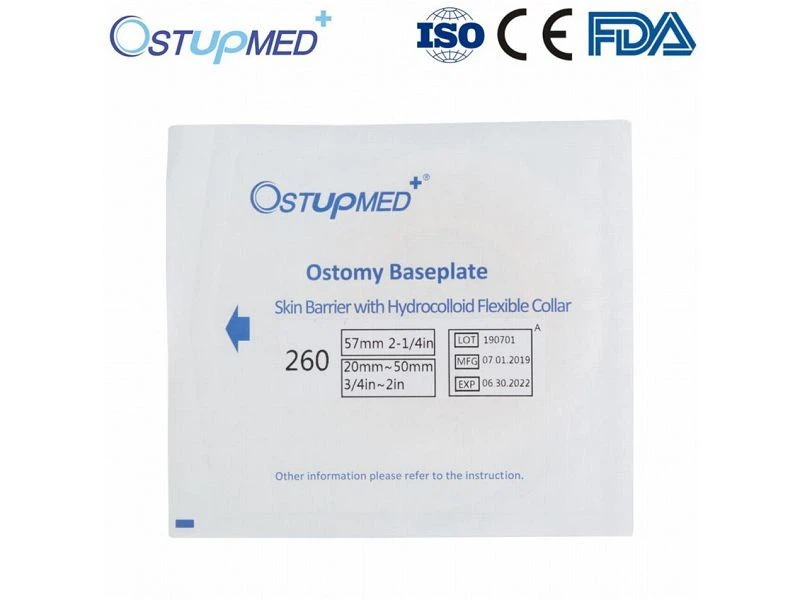
As a urostomy bag supplier, we understand the importance of providing products that can accommodate the unique needs of individuals with a hernia. We offer a range of urostomy bags, including Closed Ostomy Bag, Medical Colostomy Bag, and 2 Piece System High Output Ostomy Pouch.
For individuals with a hernia, a two-piece system may be more suitable. The two-piece design allows for easier bag changes and can provide a better fit around a displaced stoma. The flange can be adjusted to conform to the shape of the abdomen, reducing the risk of leakage. Additionally, high-output ostomy pouches are designed to handle a larger volume of urine, which can be beneficial for individuals with increased pressure due to a hernia.
Tips for Managing a Urostomy Bag with a Hernia
- Proper Stoma Care: It is essential to keep the skin around the stoma clean and dry. Use a mild, fragrance-free soap and water to clean the area, and pat it dry gently. Avoid using harsh chemicals or abrasive materials that can irritate the skin.
- Regular Bag Changes: Change the urostomy bag regularly to prevent leakage and skin irritation. Follow the manufacturer's instructions for the recommended frequency of bag changes.
- Choose the Right Size and Type of Bag: Select a urostomy bag that is appropriate for your stoma size and output. Consider using a two-piece system or a high-output ostomy pouch if you have a hernia.
- Seek Professional Help: If you are experiencing problems with your urostomy bag or skin irritation, consult a healthcare professional. They can provide advice on proper stoma care and recommend the best products for your needs.
Conclusion
A hernia can have a significant impact on the use of a urostomy bag. It can cause problems with stoma placement, increase pressure and leakage, lead to skin irritation, and affect the lifestyle and quality of life of the user. As a urostomy bag supplier, we are committed to providing high-quality products and support to help individuals manage these challenges. By choosing the right urostomy bag and following proper stoma care techniques, individuals with a hernia can continue to live active and fulfilling lives.
If you are interested in learning more about our urostomy bags or have any questions about managing a urostomy bag with a hernia, please feel free to contact us. We are here to assist you in finding the best solutions for your needs.
References
- Smith, J. K., & Johnson, M. A. (2018). Management of stoma-related complications. Ostomy Wound Management, 64(12), 30-38.
- Jones, R. A., & Brown, S. E. (2019). The impact of hernias on ostomy management. Journal of Wound, Ostomy and Continence Nursing, 46(3), 253-260.
- Wilson, L. M., & Davis, C. A. (2020). Skin care for ostomy patients. Ostomy Wound Management, 66(7), 24-31.