

Hey there! As a supplier of female colostomy bags, I've seen my fair share of common problems that users might run into. In this blog, I'll walk you through how to troubleshoot these issues so you can have a smoother experience with your colostomy bag.
Leakage Issues
One of the most common problems with a female colostomy bag is leakage. It can be a real hassle and cause a lot of discomfort. There are a few reasons why leakage might occur.
Incorrect Sizing
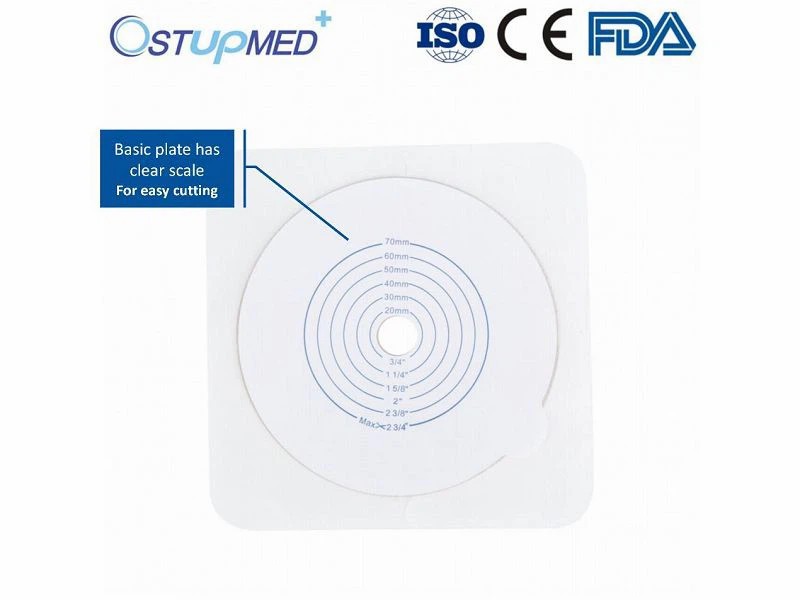
If the colostomy bag isn't the right size for your stoma, it can lead to leakage. A bag that's too big won't fit snugly around the stoma, allowing waste to seep out. On the other hand, a bag that's too small can put pressure on the stoma and cause irritation. To fix this, you need to measure your stoma accurately. You can use a stoma measuring guide, which is usually provided with the colostomy bag. Once you have the correct measurement, choose a bag that matches. We offer a variety of sizes to ensure a perfect fit. For example, our 2 Piece System High Output Ostomy Pouch comes in different sizes to accommodate various stoma sizes.
Poor Adhesion
Another cause of leakage is poor adhesion of the bag to the skin. This can happen if the skin around the stoma isn't clean and dry before applying the bag. Make sure to clean the area with mild soap and water, then pat it dry thoroughly. Avoid using oils, lotions, or powders on the skin, as they can interfere with the adhesion. If the bag still doesn't stick well, you can try using a skin barrier wipe or spray. These products create a smooth surface for the bag to adhere to.
Worn-Out Seal
Over time, the seal of the colostomy bag can wear out, leading to leakage. Check the seal regularly for signs of damage or wear. If you notice any cracks or tears, it's time to replace the bag. Don't try to use a damaged bag, as it won't provide a proper seal.
Odor Problems
Odor can be a major concern for colostomy bag users. It can be embarrassing and affect your confidence. Here's how you can deal with it.
Proper Emptying
One of the main causes of odor is leaving the bag full for too long. Empty the bag when it's about one-third to one-half full. This will prevent the waste from decomposing and producing a strong odor. Make sure to empty the bag in a proper way. You can use a toilet or a container filled with water to flush the waste. After emptying, rinse the bag with warm water and a mild detergent.
Odor Control Products
There are several odor control products available that can help reduce the smell. You can use odor-neutralizing drops or tablets, which you can add to the bag. These products work by neutralizing the odor-causing bacteria. We also offer colostomy bags with built-in odor control features. For example, some of our bags have a charcoal filter that helps absorb the odor.
Proper Storage
Storing the colostomy bag properly can also help reduce odor. Keep the bags in a cool, dry place away from direct sunlight. Avoid storing them in a damp or humid environment, as this can promote the growth of bacteria and cause odor.
Skin Irritation
Skin irritation around the stoma is another common problem. It can be caused by several factors.
Allergic Reaction
Some people may be allergic to the materials used in the colostomy bag. If you notice redness, itching, or a rash around the stoma, it could be an allergic reaction. Try switching to a different type of bag made from hypoallergenic materials. We offer a range of hypoallergenic colostomy bags that are gentle on the skin.
Friction
Friction from the bag rubbing against the skin can also cause irritation. Make sure the bag fits properly and isn't too tight. You can use a skin barrier ring or wafer to provide extra protection and reduce friction.
Infection
If the skin around the stoma becomes infected, it can cause pain, swelling, and discharge. If you suspect an infection, contact your healthcare provider immediately. They may prescribe antibiotics to treat the infection. In the meantime, keep the area clean and dry.
Blockage Issues
Blockage in the colostomy bag can be a serious problem. It can cause discomfort and prevent the normal flow of waste.

Dehydration
Dehydration can cause the stool to become hard and dry, leading to blockage. Make sure to drink plenty of fluids throughout the day to keep the stool soft. Aim for at least 8 glasses of water a day.
Dietary Changes
Certain foods can cause blockage in the colostomy bag. Foods high in fiber, such as corn, nuts, and popcorn, can be difficult to digest and may cause blockage. Try to avoid these foods or eat them in moderation. You can also talk to a dietitian for personalized dietary advice.
Kinked Tubing
If you're using a colostomy bag with tubing, make sure the tubing isn't kinked. A kink in the tubing can prevent the waste from flowing freely. Check the tubing regularly and straighten out any kinks.
Conclusion
Troubleshooting common problems with a female colostomy bag can be a bit of a challenge, but with the right knowledge and products, you can overcome these issues. As a supplier, we're committed to providing high-quality colostomy bags and accessories to meet your needs. If you're experiencing any problems with your colostomy bag or have any questions, don't hesitate to contact us. We're here to help you find the best solutions. Whether you need a Urostomy Bag or a Loop Colostomy Bag, we've got you covered.
If you're interested in purchasing our female colostomy bags or want to discuss your specific requirements, feel free to reach out to us. We're always happy to assist you with your procurement needs and have in-depth discussions to ensure you get the best products for your situation.
References
- Ostomy Association of America. (n.d.). Ostomy Care Basics. Retrieved from [Ostomy Association of America Website]
- National Institute of Diabetes and Digestive and Kidney Diseases. (2020). Living with an Ostomy. Retrieved from [NIDDK Website]