

Blockages in an opaque ostomy bag can be a frustrating and uncomfortable issue for users. As a supplier of high - quality opaque ostomy bags, I understand the importance of providing solutions to this common problem. In this blog, I'll share some effective strategies to avoid blockages and ensure a smooth experience for ostomy bag users.
Understanding the Causes of Blockages
Before we dive into prevention methods, it's crucial to understand what causes blockages in an opaque ostomy bag. The primary culprits are the type of food consumed, the consistency of the stool, and the shape and design of the ostomy bag itself.
Certain foods are known to cause blockages. High - fiber foods such as corn, popcorn, celery, and coconut can form clumps that are difficult to pass through the ostomy system. Additionally, foods that are not properly chewed can also lead to blockages. When stool is thick and pasty, it is more likely to stick to the walls of the ostomy bag and cause a blockage.
The design of the ostomy bag can also play a role. Bags with narrow openings or sharp bends can impede the flow of stool, increasing the risk of blockages.
Dietary Adjustments
One of the most effective ways to avoid blockages in an opaque ostomy bag is through dietary adjustments. Here are some tips:
Chew Your Food Thoroughly
Taking the time to chew your food well can significantly reduce the risk of blockages. When food is properly chewed, it is easier to digest and less likely to form large, indigestible clumps. Encourage ostomy bag users to take smaller bites and chew each mouthful at least 20 - 30 times.
Monitor High - Fiber Foods
While fiber is an important part of a healthy diet, it can be problematic for ostomy bag users. It's advisable to introduce high - fiber foods gradually and in small amounts. If a user notices that a particular high - fiber food is causing issues, they should avoid it. For example, instead of eating whole - kernel corn, they can try creamed corn, which is easier to digest.
Stay Hydrated
Drinking plenty of water is essential for maintaining healthy digestion and preventing thick, pasty stools. Encourage ostomy bag users to drink at least 8 - 10 glasses of water per day. Other hydrating beverages such as herbal teas and clear broths can also be beneficial.
Ostomy Bag Selection
Choosing the right ostomy bag is crucial for preventing blockages. Here are some factors to consider:
Bag Size and Shape
Select an ostomy bag that is large enough to accommodate the volume of stool without getting overfilled too quickly. A bag with a straight and wide outlet is preferable as it allows for easier passage of stool. Avoid bags with sharp corners or narrow necks, as these can trap stool and cause blockages.
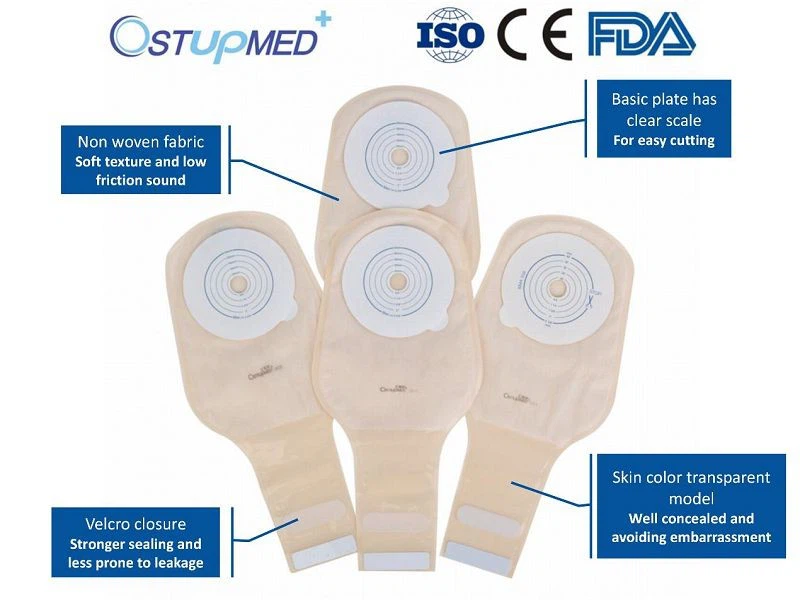
Our New Ostomy Bag is designed with a wide and smooth outlet, which helps to prevent blockages and ensures a more efficient flow of stool. It also has a large capacity, reducing the frequency of bag changes.
Material Quality
The material of the ostomy bag can affect its performance. Choose a bag made from high - quality, non - stick material. This type of material prevents stool from sticking to the walls of the bag, reducing the risk of blockages. Our Adult Ostomy Bag is made from a special non - stick material that allows stool to slide easily through the bag.

Regular Maintenance
Proper maintenance of the ostomy bag is essential for preventing blockages. Here are some maintenance tips:
Empty the Bag Regularly
Don't let the ostomy bag get too full. Empty it when it is about one - third to one - half full. This reduces the pressure on the bag and prevents stool from backing up and causing blockages.
Flush the Bag
After emptying the ostomy bag, it's a good idea to flush it with warm water. This helps to remove any remaining stool particles and keeps the bag clean. Use a gentle stream of water and make sure to rinse the entire inside of the bag.
Check for Leaks and Damage
Regularly inspect the ostomy bag for leaks, tears, or other damage. A damaged bag can cause stool to leak out and also increase the risk of blockages. If you notice any issues, replace the bag immediately. Our Disposable Ostomy Bag is a convenient option as it can be easily replaced when needed.
Physical Activity
Encouraging ostomy bag users to engage in regular physical activity can also help prevent blockages. Exercise helps to stimulate the digestive system and promotes regular bowel movements. Activities such as walking, swimming, and yoga are all beneficial. However, it's important to avoid activities that put excessive pressure on the abdomen, as this can cause the ostomy bag to shift or become blocked.
Education and Support
Providing education and support to ostomy bag users is crucial. Many people are not aware of the proper techniques for using and maintaining an ostomy bag. As a supplier, we can offer educational resources such as brochures, online tutorials, and in - person training sessions. These resources can help users understand how to prevent blockages and manage their ostomy bags effectively.
Conclusion
Blockages in an opaque ostomy bag can be a significant challenge for users, but by following these strategies, it is possible to minimize the risk. Dietary adjustments, proper ostomy bag selection, regular maintenance, physical activity, and education are all important factors in preventing blockages.
As a supplier of high - quality ostomy bags, we are committed to providing products and solutions that meet the needs of our customers. If you are interested in learning more about our New Ostomy Bag, Adult Ostomy Bag, or Disposable Ostomy Bag, or if you have any questions about preventing blockages, please feel free to contact us for a procurement discussion. We look forward to serving you and helping you find the best ostomy bag solutions.
References
- National Association for Continence. (2023). Ostomy Management Guide.
- Wound, Ostomy and Continence Nurses Society. (2022). Best Practices for Ostomy Care.