

Hey there! I'm a supplier of Drainable Ostomy Bags, and I know a thing or two about how these nifty little products work. One of the questions I get asked a lot is, "How do I adjust the flow rate of a drainable ostomy bag?" Well, you've come to the right place because I'm gonna break it down for you in this blog.
First off, let's talk about why you might need to adjust the flow rate. Sometimes, the output from your stoma can be too fast, causing the bag to fill up quickly and potentially leak. On the other hand, if the flow rate is too slow, it can lead to blockages and discomfort. So, finding the right flow rate is crucial for your comfort and the proper functioning of the ostomy bag.
Understanding the Basics of a Drainable Ostomy Bag
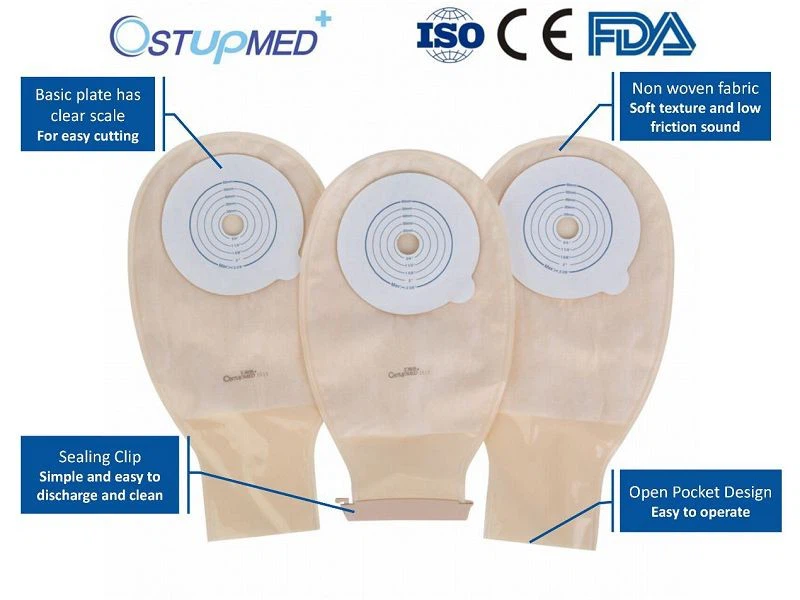
Before we get into adjusting the flow rate, let's quickly go over how a drainable ostomy bag works. These bags are designed to collect waste from your stoma. They usually have a pouch that attaches to your body with an adhesive flange and a drain at the bottom for emptying the contents.
The flow rate of the bag is mainly affected by two things: the consistency of the waste and the opening size of the drain. The thicker the waste, the slower the flow rate will be. And of course, a larger opening in the drain will allow for a faster flow.
Adjusting the Flow Rate
1. Check the Consistency of the Output
The first step in adjusting the flow rate is to pay attention to the consistency of the waste coming from your stoma. If it's very liquid, the flow will be faster. In this case, you might want to take steps to thicken the output. One way to do this is by adjusting your diet. Foods high in fiber, like bananas, rice, and toast, can help thicken the stool.
On the flip side, if the waste is too thick and causing a slow flow or blockages, you may need to increase your fluid intake. Drinking plenty of water can help soften the stool and improve the flow rate.
2. Adjust the Drain Opening
Most drainable ostomy bags come with a drain that can be adjusted to control the flow rate. You can usually find a clamp or a closure mechanism near the bottom of the bag. To increase the flow rate, simply open the clamp or widen the opening of the drain. To slow it down, close the clamp or narrow the opening.
It might take a bit of trial and error to find the right setting for you. Start by making small adjustments and see how it affects the flow. Remember, you want to find a balance where the bag empties at a reasonable pace without leaking.
3. Consider the Position of the Bag
The position of the ostomy bag on your body can also impact the flow rate. If the bag is hanging too low or at an awkward angle, it can cause the waste to pool and slow down the flow. Make sure the bag is properly positioned and that the drain is facing downward.
You can also try gently massaging the bag to help move the waste towards the drain. This can be especially helpful if you notice that the waste is not flowing freely.
Using the Right Ostomy Bag
Choosing the right ostomy bag is also important for controlling the flow rate. At our company, we offer a variety of Transparent Ostomy Bag that are designed to meet different needs.
Our Transparent Ostomy Bag allows you to easily monitor the contents and the flow rate. You can see when the bag is getting full and make adjustments as needed.
If you're an adult, our Adult Ostomy Bag is specifically designed to provide a comfortable and secure fit. It has features that help regulate the flow and prevent leaks.
And if you're looking for something new and innovative, check out our New Ostomy Bag. It comes with advanced technology that makes it easier to control the flow rate and manage your ostomy care.
Troubleshooting Common Issues
1. Leakage
If you're experiencing leakage from the ostomy bag, it could be due to a few reasons. First, check the seal of the flange. Make sure it's properly attached to your skin and that there are no gaps or wrinkles. If the seal is compromised, the waste can leak out.

You may also need to adjust the flow rate. If the bag is filling up too quickly, it can put pressure on the seal and cause leaks. Try slowing down the flow by adjusting the drain opening or thickening the output.
2. Blockages
Blockages can be a real pain, but they're usually easy to fix. If you notice that the waste is not flowing through the drain, try gently massaging the bag or flushing it with warm water. You can use a syringe to carefully inject a small amount of water into the drain to help clear the blockage.
If the blockage persists, it's important to seek medical advice. A healthcare professional can help determine the cause of the blockage and provide appropriate treatment.
Contact Us for More Information
Adjusting the flow rate of a drainable ostomy bag may seem a bit complicated at first, but with a little practice and patience, you'll be able to find the right settings for you. If you have any questions or need help choosing the right ostomy bag, don't hesitate to reach out to us.
We're here to support you in your ostomy care journey. Whether you're a new user or have been using ostomy bags for a while, we can provide you with the information and products you need. Contact us to start a conversation about your needs and let's work together to find the best solutions for you.
References
- Ostomy Association of America. (n.d.). Ostomy Care Basics. Retrieved from [Website of Ostomy Association of America]
- National Institute of Diabetes and Digestive and Kidney Diseases. (2019). Living with an Ostomy. Retrieved from [Website of NIDDK]