

When faced with a urinary tract infection (UTI) while using an ostomy bag, many patients and caregivers often wonder if it's appropriate to switch to a new ostomy bag. As a dedicated supplier of high - quality ostomy bags, I'm here to delve into this topic and provide you with comprehensive information.
Understanding Urinary Tract Infections
A urinary tract infection is an infection that occurs in any part of the urinary system, including the kidneys, ureters, bladder, and urethra. Common symptoms of a UTI include a strong, persistent urge to urinate, a burning sensation when urinating, passing frequent, small amounts of urine, cloudy, dark, bloody, or strange - smelling urine, and pelvic pain in women.
UTIs are usually caused by bacteria, most commonly Escherichia coli (E. coli), which can enter the urinary tract through the urethra. Factors such as poor hygiene, a weakened immune system, and the use of urinary catheters or ostomy bags can increase the risk of developing a UTI.
The Role of Ostomy Bags in Urinary Tract Infections
Ostomy bags are designed to collect urine or feces when the normal urinary or digestive functions are disrupted. For patients with a urinary ostomy, the bag is attached to a stoma created during surgery, and it provides a convenient way to manage urine output.
However, the use of an ostomy bag can also create a favorable environment for bacterial growth. If the bag is not changed regularly, urine can stagnate, providing a breeding ground for bacteria. Additionally, improper fitting of the ostomy bag can lead to leakage, which can cause skin irritation and increase the risk of infection.
Can You Use a New Ostomy Bag During a UTI?
The short answer is yes, using a new ostomy bag during a UTI can be beneficial. Here are several reasons:
- Hygiene: A new ostomy bag is clean and free from bacteria that may have accumulated in the old bag. By replacing the bag, you can reduce the bacterial load around the stoma and prevent further spread of the infection.
- Proper Fitting: A new ostomy bag can ensure a better fit, which helps to prevent leakage. Leakage can introduce bacteria to the surrounding skin and increase the risk of skin breakdown and infection. A well - fitting bag can also improve comfort and reduce the chances of irritation.
- Odor Control: During a UTI, urine may have a stronger and more unpleasant odor. New Ostomy Bags With Charcoal Filter are often equipped with features to control odor, such as charcoal filters. These filters can help to neutralize the smell of urine and improve the patient's quality of life.
Choosing the Right Ostomy Bag
When selecting a new ostomy bag during a UTI, there are several factors to consider:
- Size and Fit: The ostomy bag should fit properly around the stoma. A bag that is too small may cause leakage, while a bag that is too large may be uncomfortable and may not adhere well to the skin. It's important to measure the stoma accurately and choose a bag with the appropriate size.
- Material: The material of the ostomy bag should be gentle on the skin. Look for bags made from hypoallergenic materials that are less likely to cause irritation.
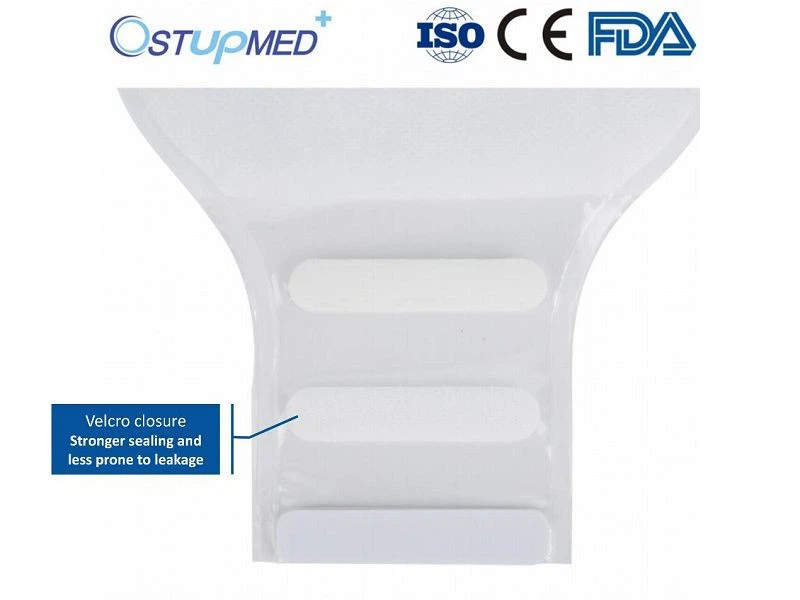
- Features: Consider the features of the ostomy bag, such as the type of closure, the presence of a filter, and the ease of emptying. For example, a bag with a drainable bottom can be more convenient for patients who need to empty the bag frequently.
We offer a wide range of ostomy bags to meet the diverse needs of our customers. Our Pediatric Ostomy Bag is specially designed for children, with a smaller size and a more comfortable fit. Our Adult Ostomy Bag is available in various sizes and styles to suit different body types and preferences.

Precautions When Changing the Ostomy Bag
When changing the ostomy bag during a UTI, it's important to follow proper hygiene procedures:
- Wash Your Hands: Thoroughly wash your hands with soap and water before and after handling the ostomy bag. This helps to prevent the spread of bacteria.
- Clean the Stoma and Surrounding Skin: Gently clean the stoma and the surrounding skin with warm water and a mild, non - scented soap. Pat the area dry with a soft towel.
- Apply Skin Barrier: To protect the skin from irritation, apply a skin barrier around the stoma before attaching the new ostomy bag.
- Attach the New Bag: Carefully attach the new ostomy bag to the skin, making sure it is properly aligned and sealed.
Other Considerations
In addition to using a new ostomy bag, it's important to address the underlying UTI. Patients should follow their doctor's advice regarding antibiotic treatment, fluid intake, and other measures to manage the infection.
It's also important to monitor the stoma and the surrounding skin for any signs of irritation, infection, or other complications. If you notice any redness, swelling, pain, or discharge, contact your healthcare provider immediately.
Conclusion
Using a new ostomy bag during a urinary tract infection is a reasonable and beneficial practice. It can help to improve hygiene, prevent leakage, and control odor. At our company, we are committed to providing high - quality ostomy bags that meet the needs of patients with UTIs and other conditions.
If you are interested in learning more about our ostomy bags or would like to discuss your specific requirements, please feel free to reach out to us. We are here to assist you in finding the best ostomy solution for your needs.
References
- Smith, J. (2020). Ostomy Management: Best Practices. Journal of Wound, Ostomy, and Continence Nursing, 47(2), 156 - 162.
- Johnson, A. (2019). Urinary Tract Infections in Ostomy Patients: A Review. Urology Today, 32(4), 78 - 84.