

Hey there! As a supplier of Permanent Colostomy Bags, I often get asked a bunch of questions from folks who've got these bags. One question that pops up a lot is, "Can I eat high - fiber foods with a permanent colostomy bag?" Well, let's dig into this topic and find out.
First off, let's understand what a permanent colostomy bag is. For those who don't know, a colostomy is a surgical procedure where an opening is made in the abdomen, and a part of the colon is brought to the surface. This opening, called a stoma, is where waste exits the body, and that's where the colostomy bag comes in to collect it.
Now, high - fiber foods. We all know they're super healthy. They're great for our regular digestive system as they help keep things moving smoothly, prevent constipation, and can even lower the risk of some diseases. Foods like whole grains, fruits, vegetables, legumes, and nuts are packed with fiber. But when you've got a colostomy bag, things can be a bit different.
On one hand, high - fiber foods can be beneficial. They can add bulk to the stool, which is generally a good thing. When the stool has more bulk, it's less likely to be too runny, and that can make it easier to manage in the colostomy bag. Runny stools can sometimes cause leaks or skin irritation around the stoma. So, in a way, high - fiber foods can help keep the bag more stable and reduce the chances of messy situations.
However, there are also some potential downsides. High - fiber foods can sometimes cause blockages. If you eat too much fiber too quickly, or if you don't chew your food properly, the undigested fiber can clump together and block the intestine near the stoma. This is a serious issue as it can lead to pain, swelling, and even require medical intervention.
So, how do you strike the right balance? Well, it's all about starting slow. When you first start incorporating high - fiber foods into your diet, begin with small amounts. For example, instead of having a big bowl of whole - grain cereal right away, start with a small serving. Monitor how your body and the colostomy bag react. If everything seems okay, you can gradually increase the amount over time.
It's also crucial to drink plenty of water. Water helps the fiber do its job properly. It softens the stool and makes it easier for it to pass through the intestine and into the colostomy bag. Aim to drink at least 8 glasses of water a day.
Another tip is to chew your food thoroughly. This breaks down the fiber into smaller pieces, making it less likely to cause blockages. Take your time while eating and savor each bite.
Now, let's talk about some specific high - fiber foods and how they might affect your colostomy bag.
Whole grains like brown rice, quinoa, and whole - wheat bread are great sources of fiber. They usually work well for most people with colostomy bags, as long as you start with small amounts. Just make sure to cook them properly so they're easy to digest.
Fruits are a bit of a mixed bag. Some fruits, like bananas, are low in fiber and are generally easy to tolerate. They can even help firm up the stool. On the other hand, fruits with skins and seeds, like apples, pears, and berries, have more fiber. You might need to peel the fruits and remove the seeds to make them easier on your system.
Vegetables are also high in fiber. Leafy greens like spinach and kale are great, but you might want to cook them rather than eating them raw. Raw vegetables can be harder to digest and may increase the risk of blockages.
Legumes, such as beans and lentils, are high in fiber and protein. They can be a great addition to your diet, but again, start with small servings. Some people find that legumes can cause gas, which can be uncomfortable and make the colostomy bag bulge.
Nuts and seeds are high - fiber snacks, but they should be eaten in moderation. They're hard to digest, and if you eat too many, they can cause problems.
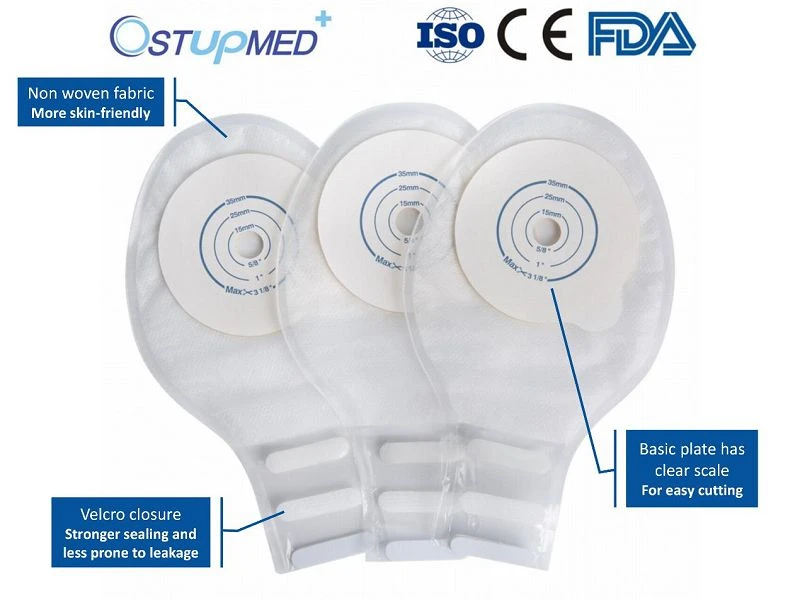
As a Permanent Colostomy Bag supplier, I also want to mention our range of products that can make your life with a colostomy bag easier. We have the Transparent Ostomy Bag, which allows you to easily monitor the contents of the bag. This can be really helpful, especially when you're trying out new foods and want to see how they affect your stool.
Our Drainable Ostomy Bag With Filter is also a great option. The filter helps to release gas from the bag, reducing the chances of it bulging and causing discomfort.
And for our younger customers, we offer the Pediatric Ostomy Bag, which is specially designed to fit the needs of children.
In conclusion, you can eat high - fiber foods with a permanent colostomy bag, but it requires careful planning and monitoring. Everyone's body is different, so what works for one person might not work for another. It's a good idea to work with a dietitian or your healthcare provider to come up with a diet plan that's right for you.
If you're interested in our colostomy bags or have any questions about them, feel free to reach out to us. We're here to help you find the best solutions for your needs and make your life with a colostomy bag as comfortable as possible.
References:
- American Cancer Society. (2023). Living with a Colostomy.
- National Institute of Diabetes and Digestive and Kidney Diseases. (2023). Digestive Diseases.