


Jiangsu Ostup Medical Products Co., Ltd is located in Nanjing, a renowned cultural city in China. We focus on the research, development, production, and sales of polymer materials. Our main products include one-piece and two-piece ostomy bags, two-piece ostomy baseplates, wound care hydrocolloid dressings, silicone foam dressings, non-woven dressings, and transparent dressings. We are committed to providing stable quality products and professional service for those in need of ostomy bags and wound care.
Why Choose Us
Our Factory
Established in 2015, Jiangsu Ostup Medical Products Co., Ltd is based in Nanjing. We specialize in one-piece and two-piece ostomy bags, urostomy bags, ostomy paste, ostomy powder, and wound care hydrocolloid dressings.
Our Products
We focus on one-piece and two-piece ostomy bags, urostomy bags, ostomy paste, ostomy powder, and wound care hydrocolloid dressings.
Our Certificate
We adhere strictly to national standards for production and operate a 100,000-grade purification workshop, along with first-class laboratory, testing, and sterilization equipment. Our products have also passed CE, FDA, and ISO 13485 certifications.
Production Market
Our products are sold worldwide, including Europe, America, Asia, Southeast Asia, and the Middle East, receiving positive feedback from clients. Our goal is to comply with national laws and regulations and, under their guidance, research, develop, and produce high-quality ostomy and wound care products that meet international standards.
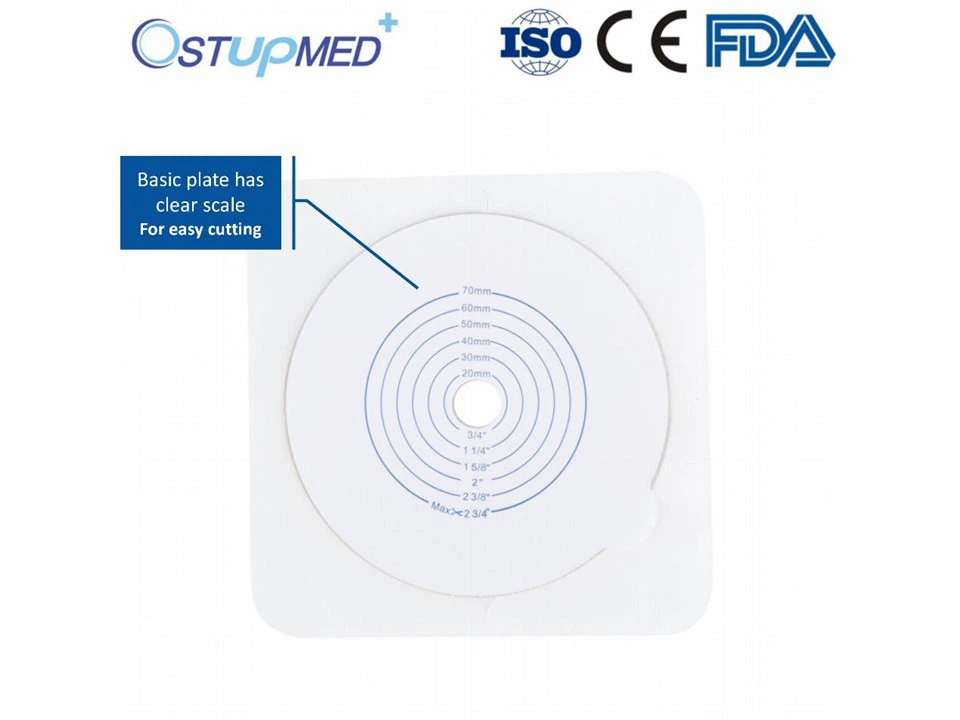
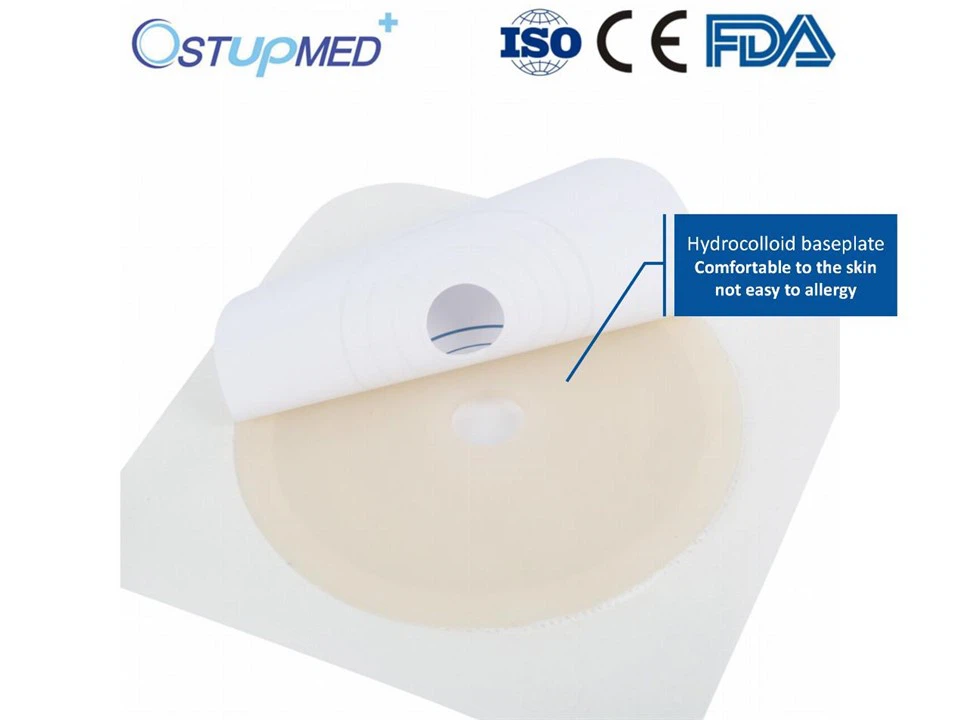

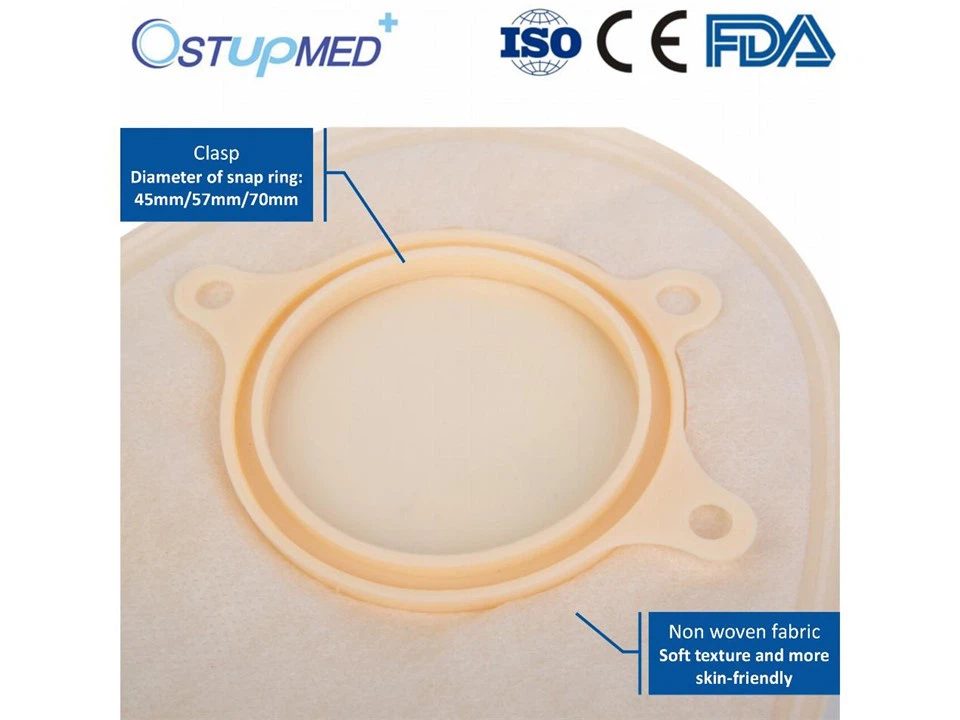
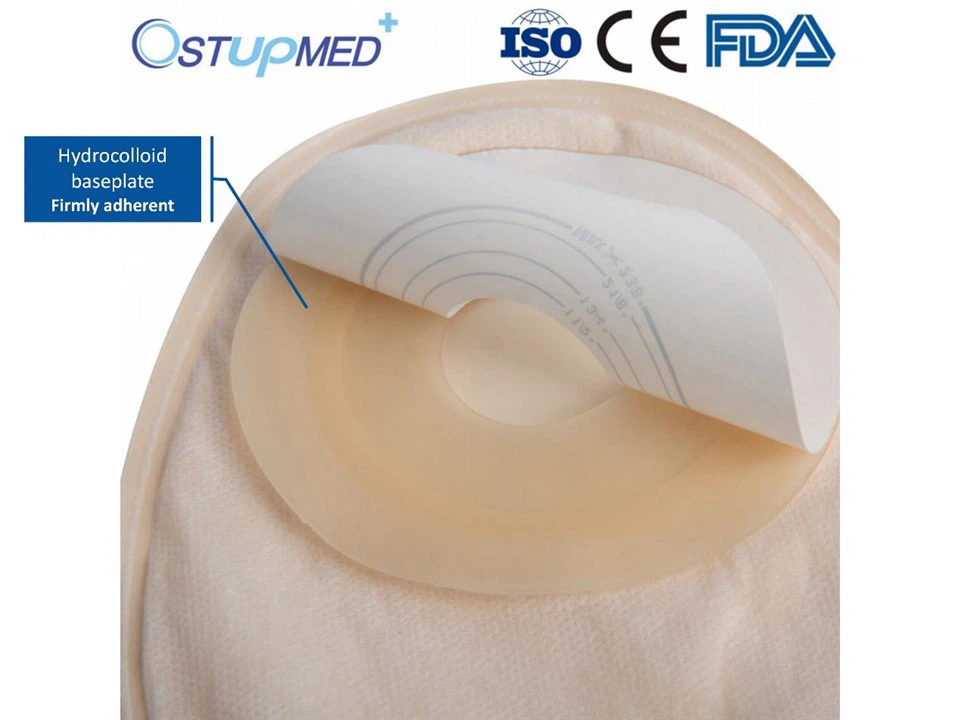
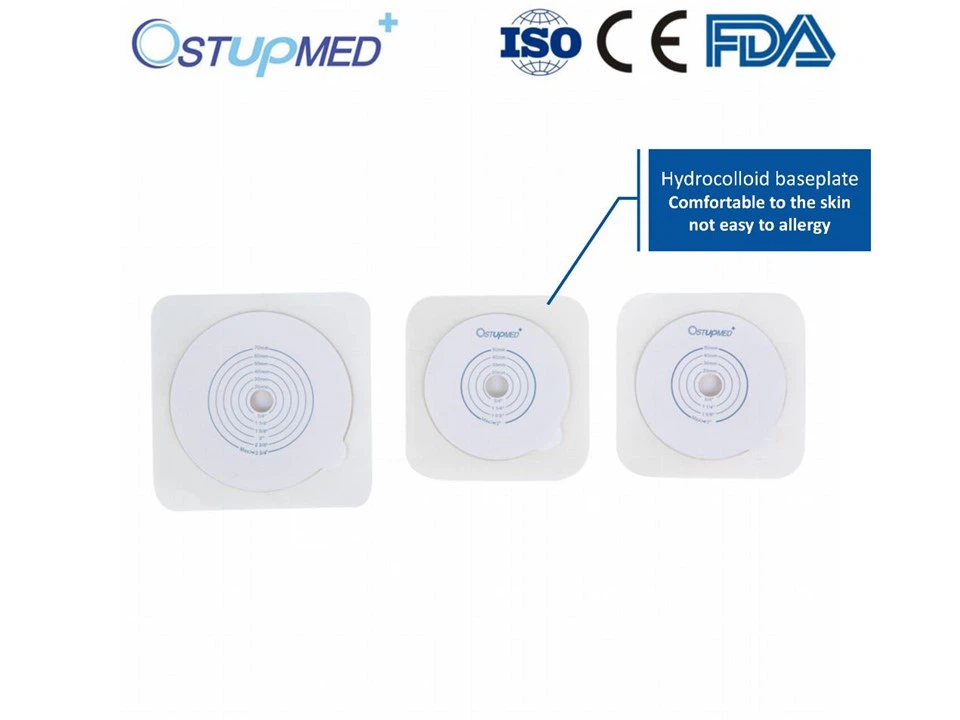
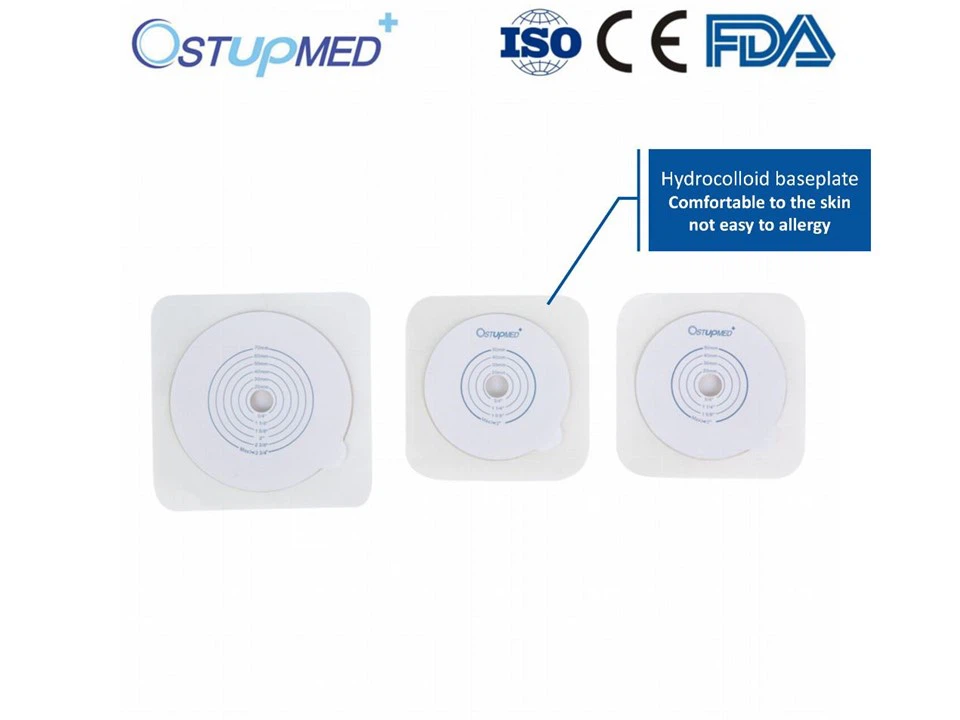
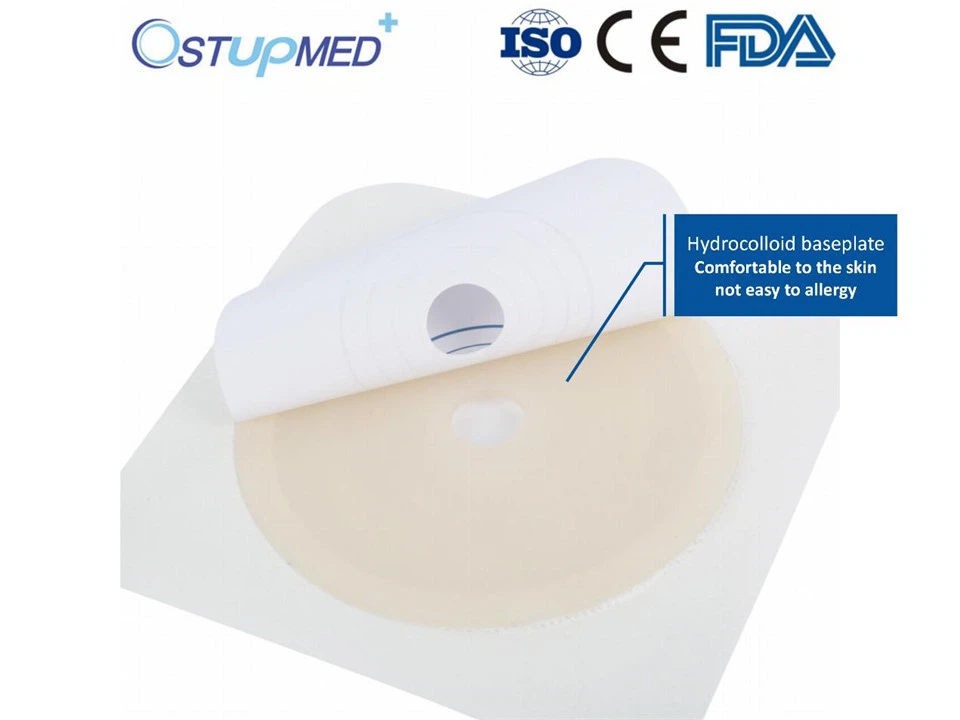

A Medical Colostomy Bag, also called a stoma bag or ostomy bag, is a small, waterproof pouch used to collect waste from the body.
During a surgical procedure known as a colostomy, an opening called a stoma or ostomy is formed between the large intestine (colon) and the abdominal wall. This allows waste products to be excreted through the opening in the abdominal wall rather than via the colon through the rectum and anus. Stools and other waste products are drainable into the pouch-like Medical Colostomy Bag, which can then be emptied at regular intervals.
Benefits of Medical Colostomy Bag
Diet and Nutrition
Due to the more distal diversion in the digestive tract, individuals with a colostomy may enjoy a broader diet than those with an ileostomy. However, monitoring and gradually introducing foods to assess tolerance is recommended for both groups.
Hydration
For ileostomy patients, staying hydrated is especially crucial because the small intestine, which absorbs water, is rerouted. Colostomy patients also need to ensure adequate fluid intake, though their large intestine continues to absorb some water from waste.
Physical Activity
Both ostomy and Medical Colostomy Bag users can engage in physical activities, including sports, but may require special support garments to secure the bag and protect the stoma. Avoiding heavy lifting shortly after surgery is advised to prevent hernias.
Skin Care
Proper care around the stoma site to prevent irritation and infection is vital. Regular cleaning and timely bag replacement are essential to maintaining healthy peristomal skin for all ostomies.
The Differences Between Ostomy and Medical Colostomy Bags


Knowing the differences between ostomy and Medical Colostomy Bags is essential for individuals undergoing surgery that alters their natural waste elimination process due to conditions like Crohn's disease, ulcerative colitis, or cancer. An ostomy refers to a surgically created opening in the body for waste elimination, while a colostomy specifically involves the large intestine and is a type of ostomy. Understanding these distinctions is crucial for managing post-surgical life effectively.
Ostomy Surgery
This procedure creates an opening (stoma) in the abdomen to divert waste from the digestive or urinary system into an ostomy bag. Ostomies can be temporary or permanent, depending on the underlying medical condition and the part of the digestive system affected.
Colostomy Surgery
A type of ostomy, a colostomy, involves creating an opening from the colon through the abdominal wall, allowing stool to pass into a Medical Colostomy Bag. It's often performed when a portion of the colon is removed or needs to heal.
Types of Ostomies
In addition to colostomies, there are ileostomies (involving the small intestine) and urostomies (for urinary diversion). The type of ostomy influences the consistency of waste and the care required for the stoma and surrounding skin.
Stoma Care
Regardless of the type, stoma care is critical. This includes monitoring the stoma's appearance, ensuring the ostomy pouch fits well to prevent leaks, and protecting the peristomal skin to avoid irritation.
Changing the Medical Colostomy Bag
Make a planned routine for changing your Medical Colostomy Bag. Different pouch systems need to be changed more often than others. Some should be changed daily, while others may only need to be changed once a week.
Your care team will let you know how to change your type of Medical Colostomy Bag. Refer to these instructions as general guidance:
Make a schedule. Find a time of day that works best for you. Many people find the morning, before they eat or drink anything, to be a good time because your GI system isn't experiencing as much digestive activity.
Wash your hands before and after changing your pouch. Changing your pouch with clean hands is important in helping to prevent infections.
Remove the old pouch. Carefully pull the skin barrier and seal (if you use one) off of your skin. Dispose of the old pouch in the trash, but keep the clip.
Check the stoma. It should be pink or red. Call your care team if it's blue, purple or black.
Wipe around the stoma. Gently wipe any stool or adhesive from around the stoma and let the area dry.
Attach the new pouch. Use the supplies you need for your body and your pouching system. You may choose to use a ring seal, stoma powder or paste. Clip the end of the pouch closed.
Type of Medical Colostomy Bag
Drainable Pouches
Drainable ostomy pouches allow users to empty the contents of their pouch without removing it. There is a Velcro opening or clamp at the bottom that is opened to expel the waste. Most people empty their drainable pouch several times per day into the toilet. Many insurance plans will cover around 20 drainable pouches per month.
High Output Pouches
High-output pouches are designed for people with ileostomies that produce a lot of liquid output. There are one-piece and two-piece high-output pouches available. These bags are slightly larger than typical bags and have a soft tap at the bottom that can make emptying liquid stool easier. This soft tap can also be attached to a larger collection bag at night, which can reduce the need to get up to empty the pouch. Many insurance plans will cover approximately 20 high-output pouches per month.
Urostomy Pouches
Urostomy pouches are ostomy pouches designed for especially urine. There are one-piece and two-piece urostomy pouches available. A urostomy pouch is unique in that it has a small spout with a tap at the bottom that is designed to accommodate emptying urine easily and without a mess. This spout can be attached to a larger bedside drainage bag or leg bag with an adapter and tubing, if desired.
Mini-Pouches
Mini-pouches are a smaller size pouch, so they are more discreet and less intrusive. There are mini drainable pouches, closed pouches, and urostomy pouches available. They come in one-piece and two-piece options. Unlike larger alternatives, mini ostomy bags have a smaller volume, so they may need to be emptied or replaced more often.
Aside from the basic components (flanges, pouches), there are a variety of accessories available to help with stoma care and use. The most commonly-used accessories include:
Belts: Belts help secure the Medical Colostomy Bag to the body, reducing the risk of dislodgement and leakage.
Stoma paste: These pastes help adhere the flange to the skin of the abdomen.
Stoma powder: Used to dry sore or inflamed skin around the stoma, allowing the flange to be applied more easily and effectively.
Wipes: Wipes can be used to clean the skin, remove adhesive residue or to form a protective film between the stoma and flange.

Living With A Medical Colostomy Bag
Life with a Medical Colostomy Bag can be a lot to get used to. As the weeks go by after your colostomy, you'll get more comfortable with your Medical Colostomy Bag and the ways to manage it. You'll start learning your body's new habits and get into the swing of life with this new tool. Even after you're well versed in managing life with a Medical Colostomy Bag, it's a good idea to have your supplies on you at all times.
Diet
The food you eat will affect the stool and gas you produce. It may determine whether your stool is more liquid or solid. How much you eat and when you eat may also affect the output in your pouch.
Just as before your colostomy, you may experience gas, diarrhea or constipation. Keeping a record of the food you eat and how your body processes it may help you figure out the foods that help you feel your best.
Odor
Just like life before your colostomy, your stool will likely still have an odor. This is due to the bacteria that work to digest your food, and it's normal. The good news is that colostomy pouches trap bad smells with an odor-barrier film. You may smell an odor when emptying the pouch, but you shouldn't smell one otherwise.
Bathing and swimming
You can shower and bathe with your Medical Colostomy Bag, and you don't need to remove it. In fact, your care team may recommend that you leave it in place while you shower or take a bath.
While soap isn't bad for the skin on or around your stoma, using it may loosen the skin barrier or make it less likely to stick. So only use water to clean around your stoma, and rinse your skin well if you do use soap.
Getting Used to Your Medical Colostomy Bag
Decide how to share your news
You may feel less self-conscious if you show your Medical Colostomy Bag to loved ones or talk about it with friends. You also may decide to tell your boss or a co-worker in case you need their help or understanding at work.
Get an honest opinion
Ask someone you trust if they can see your bag under your clothes or hear the noises it makes. You may realize you're worrying about your Medical Colostomy Bag more than you need to.
There are ways to hide it. For example, you can empty your bag once it's one-third full so it doesn't stick out under your clothes. A secure bag should not have leakage and should be odor-resistant.
Wear what you want
A Medical Colostomy Bag should fit under your normal clothes. If not, some companies make special high-rise pants and underwear with a special pocket to hold your bag. You also can find swimwear with a mesh lining or gathered fabric to hide any bulges.
Stay active. You can still exercise
Talk to your doctor about when to wear a support garment or a hard plastic shield called a stoma guard.
Give yourself time to get used to foods. Some are more likely to cause gas, diarrhea, or constipation. Try them at home one by one so you know how your body will react.
Remember to laugh
Don't worry if you have an awkward moment or two while you're getting used to your Medical Colostomy Bag. That's normal. You may handle it better if you can keep your sense of humor.
Learning how to empty a Medical Colostomy Bag may feel daunting at first, but with a step-by-step guide, the process can become a routine part of your day. Here is a guide to help you navigate the process:
Gather Your Supplies
Before you begin, gather all the items. This may include disposable gloves, wipes, a plastic bag for waste disposal, and a container for rinsing the bag.
Find a Comfortable and Private Area
Choose a comfortable and private spot when learning how to empty a Medical Colostomy Bag. Sitting on the toilet or a chair with a towel or disposable underpad underneath is usually the best option.
Empty and Clean the Bag
Carefully open the closure at the bottom of the bag and let the waste flow into the toilet or container. Once empty, clean the inside of the bag with wipes before closing the closure.
Rinse and Sanitize the Bag
Rinse your bag thoroughly with warm water and mild soap after emptying. Avoid harsh chemicals or rough materials that could damage the bag. Hang the bag to air dry, or pat it dry gently with a clean towel.
Reattach the Bag Securely
Once the bag is dry, reapply it following the instructions and ensure the adhesive is securely attached to your skin to prevent leaks.
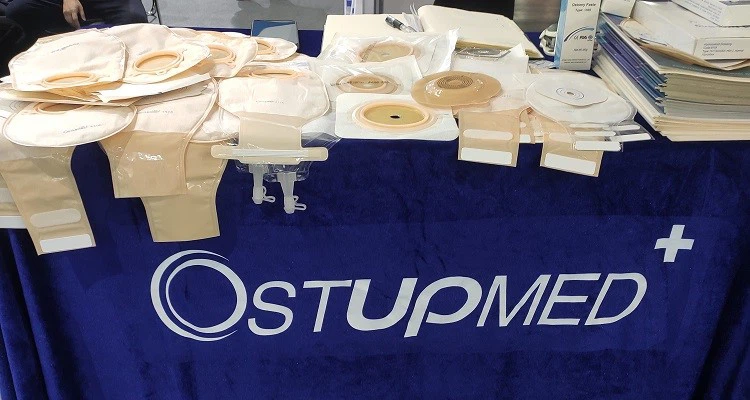
Our Factory
We strictly accordance with national standards for production and standardized 100,000 purification workshop and first-class laboratory, testing, sterilization equipment system. Meanwhile, Products have passed CE,FDA, ISO 13485 certification registration.



FAQ
Hot Tags: medical colostomy bag, China medical colostomy bag manufacturers, suppliers, factory, two piece ostomy bag underuse, two piece ostomy bag energy consuming use, two piece ostomy bag medical use, two piece ostomy bag taxing use, transparent two piece ostomy bag, two piece ostomy bag individual use